Carrier Estimate Vs. Repair Scope In Texas Hail Claims
Carrier estimates are not always a complete repair scope or a reliable measure of a covered hail loss. For Texas commercial property owners, the gap can be substantial. What appears to be a disagreement about price may actually involve missing damage, improper repair methods, depreciation issues, overlooked code-related work, or causation conclusions that do not fit the property's condition.
The stakes are high when a low estimate affects a commercial roof, exterior envelope, HVAC equipment, tenant space, or shared common area. An incomplete payment can leave an owner facing unreimbursed capital work, lease disruption, and business interruptions long after the storm has passed. By November, many policyholders are still sorting through claims from spring and summer hail events, even when an early payment figure was presented as though it settled the matter.
An Estimate Is Not Necessarily a Repair Scope
Insurance carrier estimates commonly use line-item pricing software and reflect the insurer's view of what it will pay. That can be useful information, but it should not be treated as the final answer simply because it came from the carrier. The estimate may be based on a limited inspection, a narrow repair assumption, or an incomplete understanding of the building system.
An actual repair scope is property-specific. It identifies the work reasonably required to return the property to its pre-loss condition under the policy. Depending on the loss, that may include much more than replacing a visible damaged surface.
Depending on the loss, a complete scope may need to address:
- Tear-off, disposal, and site protection requirements
- Flashing, drainage components, skylights, parapets, and rooftop equipment
- Access issues, labor coordination, and work by multiple trades
- Interior damage resulting from failures in the roof or exterior system
- Materials needed for a durable repair, not just a short-term patch
The policy controls what is owed. The relevant question is not whether the insurer's number is convenient, or whether a contractor's proposal is higher. The question is whether the requested work is covered, necessary, and supported by the facts and policy language. A hail damage insurance claim lawyer in Texas can evaluate whether an insurer's estimate reflects the covered damage, policy terms, and repair work the property actually requires.
Why Hail Scope Disputes Continue After Storm Season
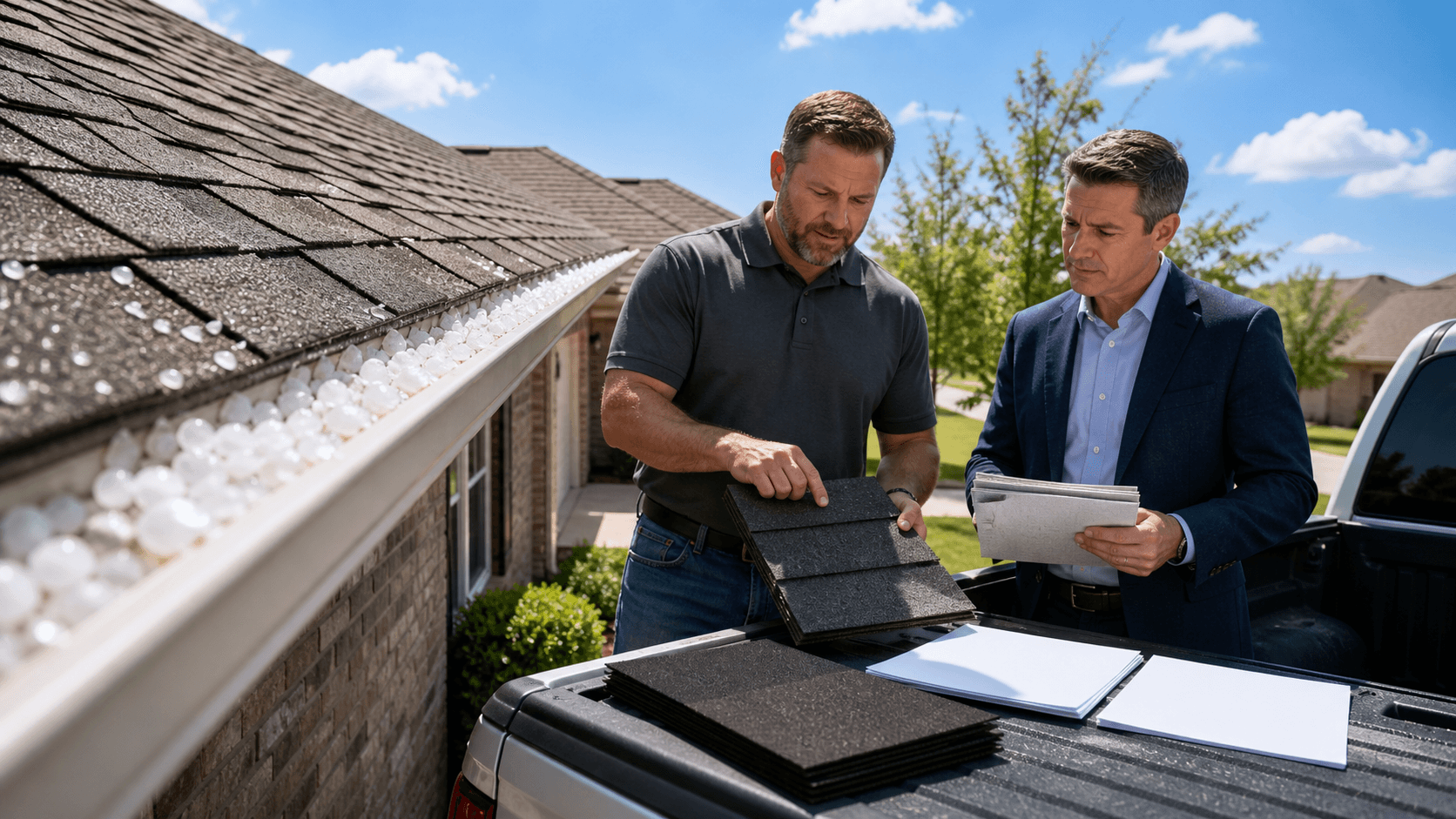
Many hail disputes persist because the carrier does not agree that all observed conditions were caused by the reported storm. Insurers may attribute damage to age, wear, deferred maintenance, installation defects, prior storms, or cosmetic conditions. Those positions can affect whether a carrier pays for isolated repairs, a larger repair program, or replacement of an affected system.
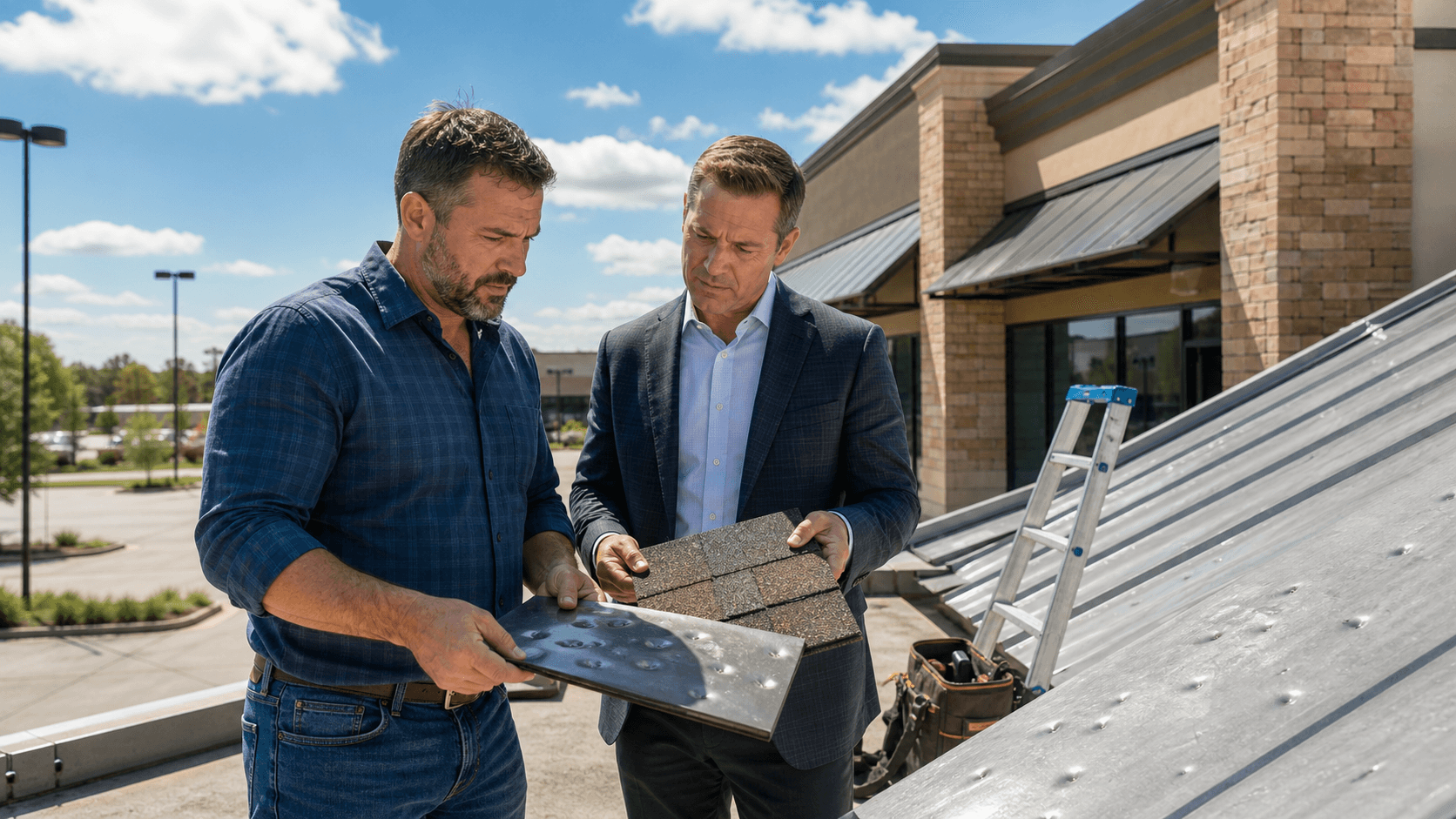
Causation is particularly important on commercial properties. Different materials, elevations, slopes, and exposures can exist on a roof. Exterior components may respond differently to the same hail event. A small inspection area may not fairly represent conditions across an office building, retail center, industrial facility, multifamily property, or other large structure.
Limited inspections can also leave significant items out of the estimate. We often see disputes involving damage to:
- Gutters, downspouts, metal panels, and flashing
- Roof-mounted HVAC equipment and related components
- Skylights, window systems, siding, and exterior cladding
- Parapet caps, coping, vents, and drainage features
- Interior areas affected after the exterior system was compromised
Repairability creates another recurring issue. A carrier may propose isolated repairs without fully considering whether replacement materials remain available, whether the repair will compromise the system, or whether the finished result will satisfy the policy's requirements. These are fact-driven disputes. They should not be decided by assumptions drawn from one estimate or a brief inspection.
Build the Scope Around Actual Property Conditions
To support a scope, begin with a clear record of the property's condition, the storm event, the claimed damage, and the policy provisions that apply. Commercial claims often require coordination among professionals with different perspectives. A roofer may identify system damage, an engineer may address causation, a building consultant may assess repair sequencing, and a property manager may document operational effects.
On commercial claims, coordination among professionals with different perspectives is often required. A roofer may identify system damage, an engineer may address causation, a building consultant may assess repair sequencing, and a property manager may document operational effects.
Rather than treating those findings as separate documents, we recommend organizing them into a coherent claim position. The goal is to show the carrier how the documented damage relates to the work required and why that work falls within the policy's coverage.
Documents that frequently matter include:
- The complete policy, declarations, and endorsements
- Carrier estimates, inspection reports, and coverage letters
- Photographs, weather information, and property maintenance records
- Prior repair records and contractor proposals
- Engineering findings and correspondence about payment or causation
Some cost categories receive too little attention early in the process. Depending on the property and the policy, the scope may need to consider demolition, debris removal, mobilization, equipment access, permits, code-related work, temporary protection, testing, and general conditions. Business interruption consequences may also require separate attention where covered. Not every category will apply or be covered, but none should be omitted by default.
Before an underpayment position becomes entrenched, a hail damage insurance claim lawyer in Texas can help organize the technical and policy evidence. That work is particularly important when the carrier has already adopted a causation theory or repair method that does not match the available evidence.
Turn Documentation Into a Focused Underpayment Challenge
Specificity makes a scope dispute productive. General statements that the estimate is "too low" often do not identify the real problem. A line-by-line comparison can reveal omitted components, incorrect quantities, insufficient labor, improper material assumptions, missing trades, and unsupported causation conclusions.
The written record matters as much as the scope itself. You should be able to identify what was presented to the carrier, the evidence supporting the requested payment, and how the carrier responded. If the carrier rejects an item, limits a repair method, or continues to rely on an exclusion, the basis for that position should be examined against the policy and the claim record.
Texas policyholders may face issues involving unreasonable delay, inadequate investigation, unsupported underpayment, or a failure to meaningfully address documented claim information. Whether those concerns create legal issues depends on the policy language, communications, deadlines, and specific facts. We evaluate those questions from the policyholder's side, with attention to both the repair evidence and the insurer's handling of the claim.
Review the Claim Record Before It Hardens
Without evaluating the actual repair scope, accepting a carrier estimate can leave a commercial policyholder with a significant shortfall. That risk is especially serious when hail damage affects a roof system, tenant operations, common areas, building equipment, or multiple properties within a portfolio.
When the insurer has denied part of the loss, issued a low payment, delayed a decision, relied on questionable causation findings, or declined to address documented scope differences, a prompt legal review may be appropriate. Notice requirements and suit limitation provisions vary by policy, so the claim record should be assessed before positions become fixed and repair decisions limit the available evidence.
Protect the Full Scope of Your Hail Loss
Lundquist Law Firm represents Texas policyholders in complex disputes involving incomplete estimates, disputed repair scopes, and improper claim handling. A hail damage insurance claim lawyer in Texas can evaluate the policy, claim file, and supporting repair documentation to identify the issues affecting payment. Our team represents policyholders only, with a focus on commercial property losses and other substantial first-party insurance claims. To discuss your matter, contact us.