Emergency repairs do not automatically undermine a Texas property insurance claim. After a hailstorm, wind event, fire, pipe burst, sprinkler failure, or other covered loss, fast action may be necessary to prevent further damage and protect the property.
At Lundquist Law Firm, we represent Texas policyholders only in complex first-party property insurance disputes. We often see claim disputes develop not because emergency work was improper, but because the work moved ahead without a record of what happened, why it was necessary, and what damage existed before repairs began.
Emergency Repairs Should Protect, Not Compromise, Your Claim
A damaged roof may need immediate tarping. Broken doors, windows, and other openings may need to be secured. Following an internal water loss, trained emergency vendors may need to extract water, dry affected areas, stabilize damaged materials, and protect inventory or equipment.
The problem is rarely the decision to act. The question is whether you can still prove the cause, timing, extent, and cost of the covered loss after the emergency work is complete. Insurers may later claim that repairs removed evidence, obscured damage, or went beyond what was reasonably needed to prevent further loss.
For commercial policyholders, the consequences can extend beyond the building itself. Incomplete emergency records can complicate claims involving:
- Business interruption or lost income
- Lost rents from damaged tenant spaces
- Extra expense required to continue operations
- Damaged inventory, machinery, or equipment
- Loss of use of operational areas
October can still bring severe Texas weather, including wind, hail, and hurricane-related exposures along the coast. Before emergency vendors arrive, property owners should have a response plan that addresses both immediate protection and evidence preservation.
Mitigation Duties Do Not Authorize Uncontrolled Repairs
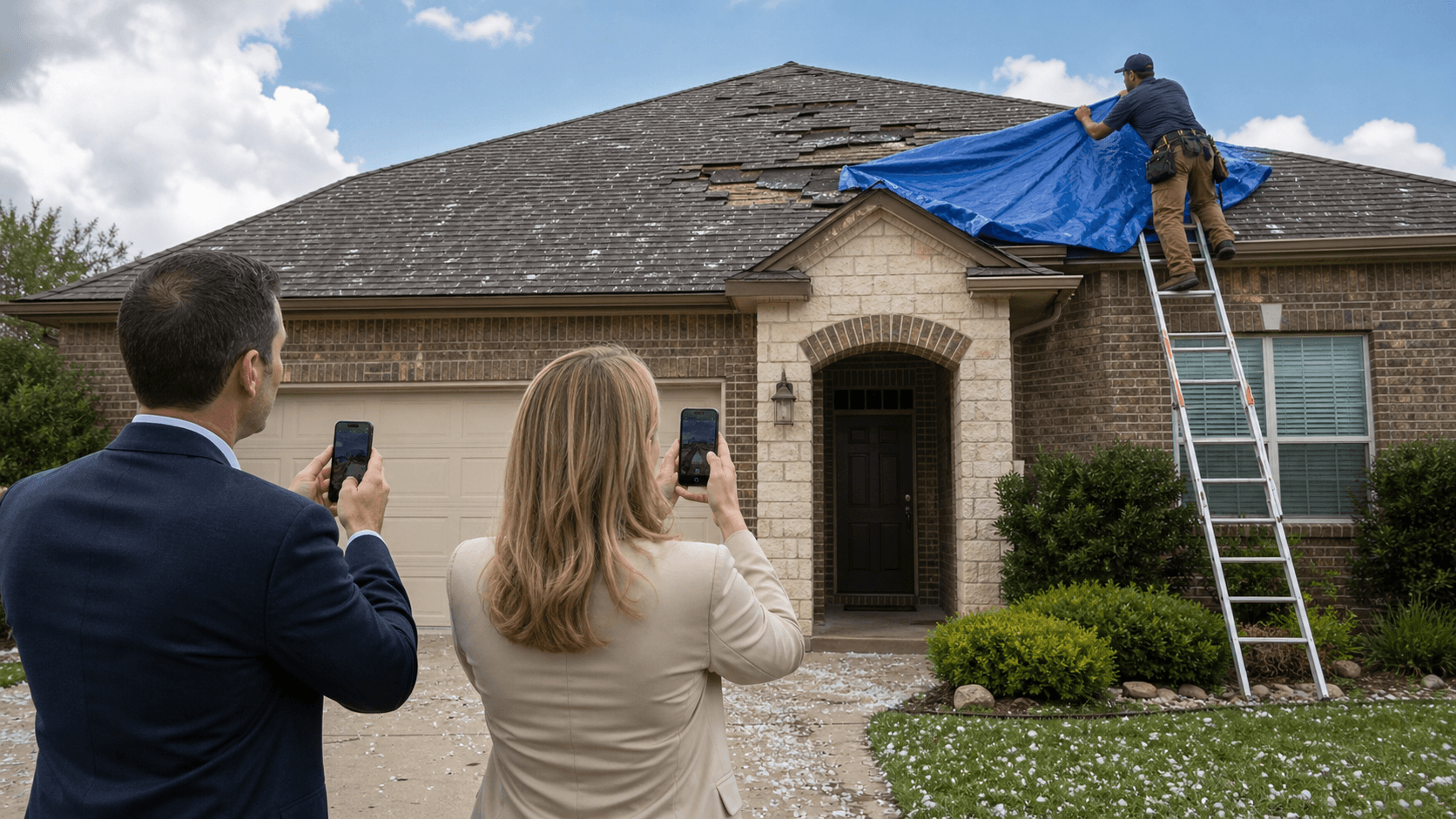
Most property policies require the insured to take reasonable steps to protect damaged property from further harm. That duty may support temporary measures such as roof tarping, board-up services, water extraction after a pipe burst, safety-related debris removal, and securing exposed building components.
Prompt mitigation should not become a reason for an insurer to reject an otherwise valid claim. Policyholders should not be forced to choose between preventing additional damage and preserving insurance rights. Insurers still have an obligation to conduct a timely and competent investigation after receiving notice of a loss.
Risk increases when temporary work becomes major demolition, reconstruction, or replacement before the property is documented and the insurer has a reasonable opportunity to inspect. Policy language controls, and notice, inspection, proof-of-loss, and preservation requirements can differ from one policy to another.
When a major loss occurs, we recommend treating mitigation and permanent restoration as separate stages. A property damage insurance claim lawyer can evaluate the policy requirements and help establish a record showing that emergency work was reasonable under the conditions. An insurer's vague claim of "prejudice" should not replace a proper investigation of the actual loss.
Preserve Evidence Before Permanent Work Begins
Necessary safety work should not wait for a perfect inspection process. Still, before damaged materials are discarded or permanent work begins, you should create a reliable record of the property's condition.
That record may include:
- Dated photographs and video of all affected areas
- Drone images where appropriate for roof or exterior conditions
- Moisture readings, drying records, and equipment logs
- Repair estimates, invoices, and damaged-material logs
- Written observations from qualified contractors or consultants
For a commercial loss, documentation should go beyond visible exterior damage. We look for records involving building systems, interior finishes, electrical components, mechanical equipment, tenant spaces, inventory, and areas where operations were interrupted.
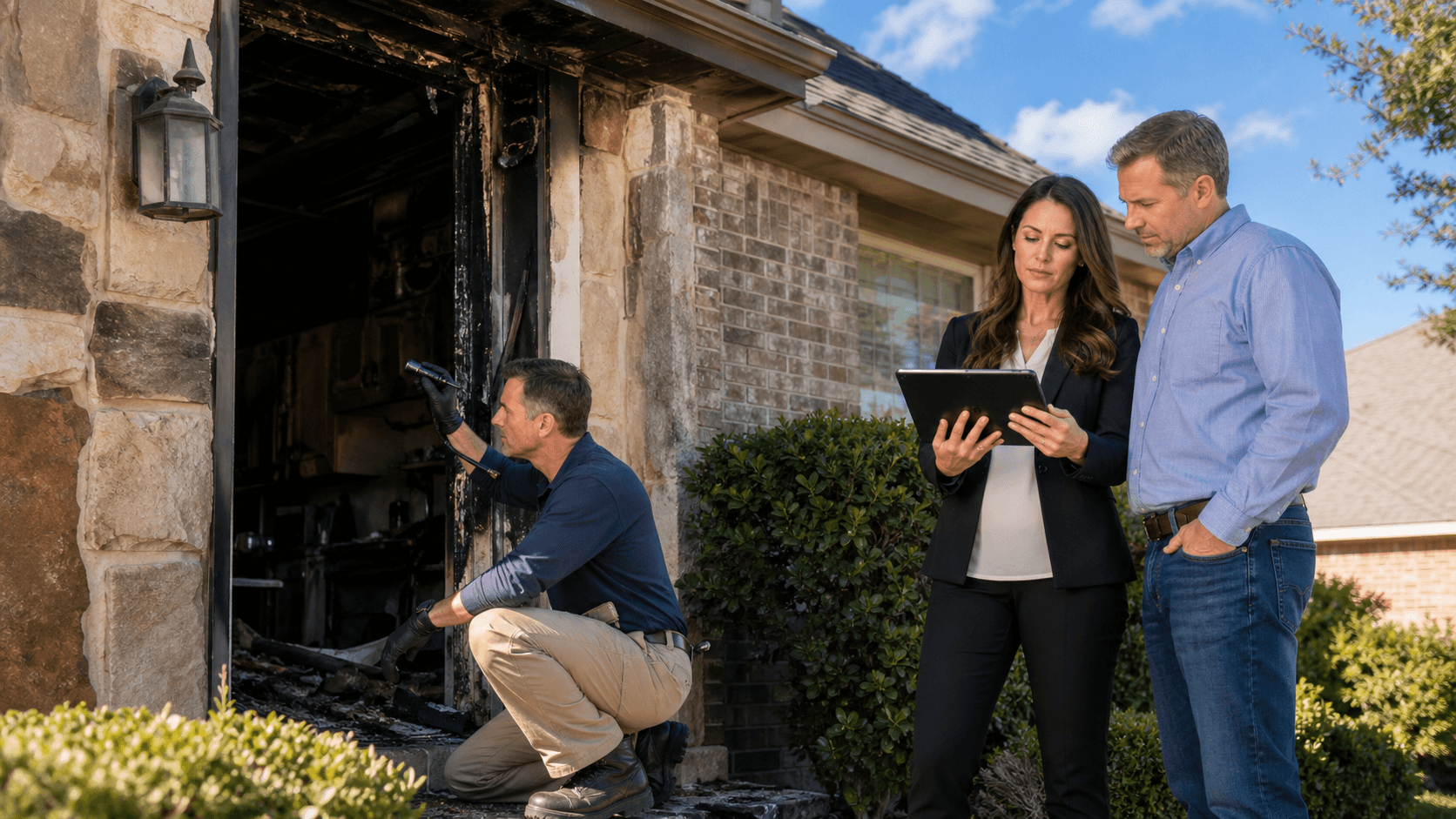
Fire and smoke losses require particular care. A quick inspection may not reveal soot migration, odor conditions, heat effects, corrosion risks, or damage to sensitive equipment. Likewise, an internal plumbing leak or sprinkler failure can affect concealed materials and systems that are no longer visible after demolition.
Where practical, retain removed materials or obtain samples before disposal. Those materials may matter if an insurer later argues that damage was pre-existing, that a roof failure caused less damage than reported, or that a plumbing or equipment issue was unrelated to the claimed loss.
Vendor Decisions Can Affect Claim Value
Emergency vendors can perform important work under difficult conditions. Their records may later become a central part of the insurance claim, especially when the insurer questions mitigation costs or disputes the scope of damage.
Clear vendor documentation should identify the work performed, the conditions requiring that work, and the connection between each emergency measure and the covered loss. Itemized invoices, daily logs, photographs, drying-equipment records, and written scopes can all help show why the response was necessary.
Insurers frequently scrutinize charges for labor, demolition, debris removal, security services, roof protection, drying equipment, and temporary relocation. Without records tying those services to the loss, an insurer may label reasonable work excessive, unrelated, or unsupported.
We also encourage policyholders to keep emergency mitigation separate from permanent restoration. Temporary measures intended to stop additional damage should not be mixed into reconstruction, upgrades, code-related work, or unrelated maintenance. Separating those categories reduces the opportunity for an insurer to blur the issues and limit payment through an incomplete scope.
Insurer Delay Can Create Avoidable Claim Disputes
Prompt notice establishes a timeline and gives the insurer an opportunity to inspect. Once notice is provided, the insurer should investigate without unnecessary delay. Problems often arise when an insurer waits to inspect, communicates poorly, or repeatedly requests information that has already been provided.
In those situations, a policyholder may have little choice but to move forward with necessary emergency work. The insurer may later argue that it could not evaluate the loss because conditions changed, even though the policyholder gave prompt notice and the insurer did not act promptly.
A well-kept timeline can be highly important. It should show when the loss occurred, when notice was given, when emergency work began, what conditions required immediate action, and when the insurer was invited to inspect. For a business owner, delay can also magnify lost income, tenant disruption, inventory damage, and extra expenses. The property damage and business interruption portions of the claim should be evaluated together.
Protect the Claim Before Work Moves Forward
Reasonable emergency repairs are often necessary after a serious property loss. The stronger question is whether you preserved evidence, gave timely notice, maintained complete vendor records, and avoided allowing permanent work to erase proof of the covered damage.
For commercial property owners, landlords, developers, businesses, and residential policyholders facing a substantial loss, careful documentation can shape the entire claim. Early records help preserve the facts when disputes later arise over causation, scope, mitigation costs, lost income, or an insurer's delayed or underpaid response.
Protect the Full Value of Your Claim
Lundquist Law Firm represents policyholders in complex Texas property-loss disputes involving denied, delayed, and underpaid coverage. Speak with a property damage insurance claim lawyer before accepting an insurer's scope, valuation, or coverage position. Contact us to discuss the claim, the policy, and the steps needed to protect your interests.