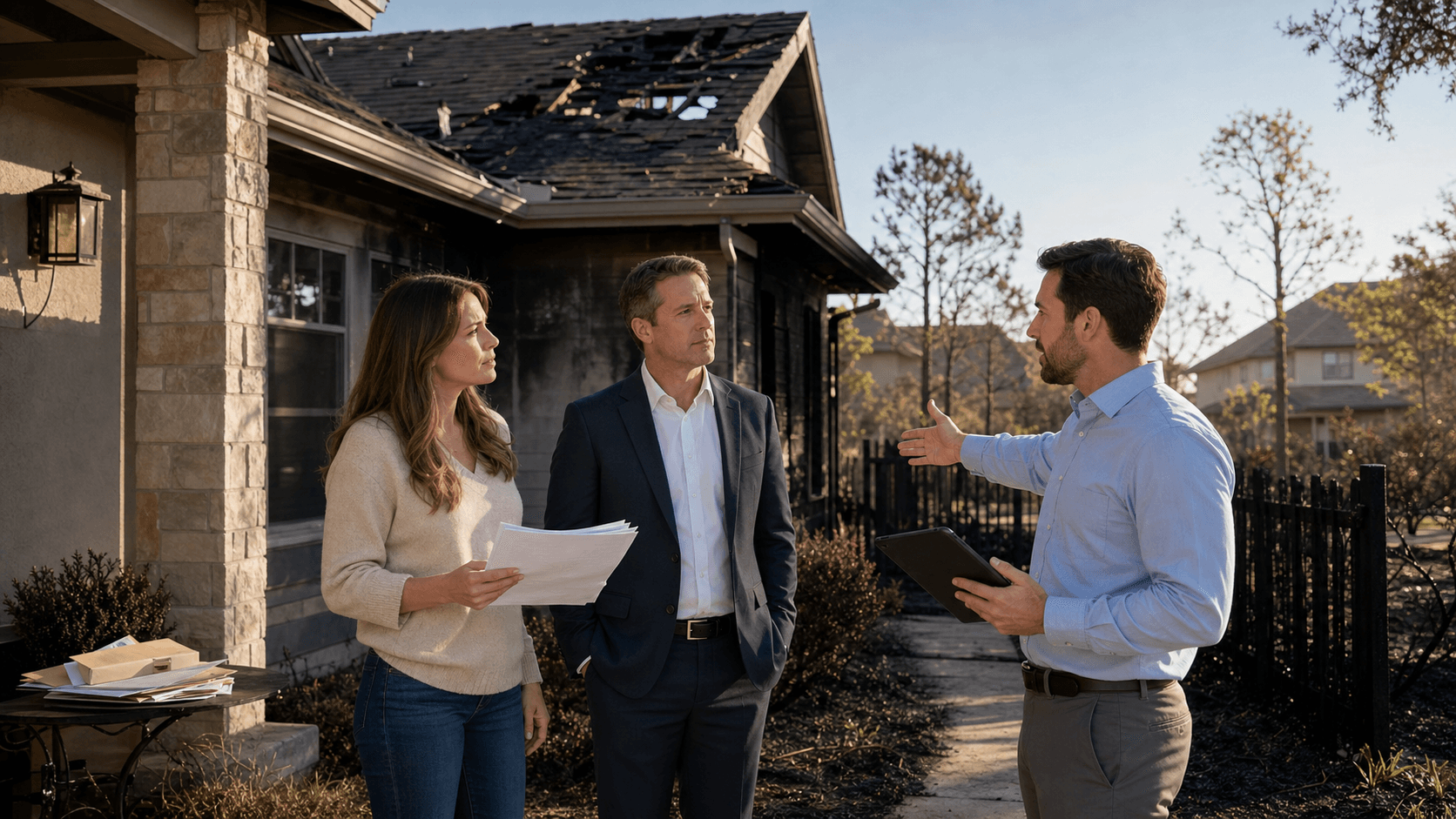
When a Texas carrier denies a burst pipe or sprinkler claim, many policyholders feel boxed in. The building is wet, tenants are impatient, operations are disrupted, and the insurer has just said no. Before you close the file or write off the loss, it is worth asking a hard question: did the insurer actually get this right, both on the facts and under Texas law?
As counsel for policyholders only, not insurance companies, we regularly see denied or sharply limited internal water claims turn around after a disciplined review. Our focus is on commercial and other high-value property losses across Texas. This article walks through how insurers often treat these losses, what documents matter, how Texas law affects coverage, and when it is time to bring in Texas policyholder coverage counsel for a focused second look.
Before You Accept a Denial on a Burst Pipe Claim
For commercial policyholders, building owners, landlords, developers, and businesses, a denied burst pipe claim is not just a repair issue; it is a balance-sheet problem. Internal water from a pipe burst, plumbing failure, or sprinkler discharge can damage structure, finishes, electrical systems, data rooms, and tenant build-outs. It can also ripple into lost rent and stalled projects. Walking away too early can leave a large uninsured hit that may not be necessary.
Disputes often arise in recurring real-world settings, including pipe failures in overhead lines that soak offices, retail stores, or restaurants; sprinkler discharges in multifamily, hospitality, or mixed-use properties; internal plumbing failures inside industrial facilities or complex commercial build-outs; and bursts in concealed piping above ceilings or inside walls.
In many of these situations, the denial is framed as final. But quite a few are based on aggressive policy readings, thin investigations, or a one-sided view of the technical reports. A calm, structured legal and technical review can change the outcome or at least create leverage for a more accurate resolution.
How Texas Insurers Commonly Deny Pipe Burst Claims
Insurers tend to rely on a familiar playbook when they deny or limit burst pipe and sprinkler claims. Common arguments include:
- Calling the loss a "long-term leak" instead of a sudden pipe failure
- Citing wear and tear or lack of maintenance as the main cause
- Relying on freezing or temperature-related exclusions tied to building conditions
- Invoking "seepage" or "continuous leakage" language to avoid coverage
- Blaming construction defects or tenant build-outs rather than covered plumbing
Carriers also lean on causation disputes. In some claims, they argue the damage is really from prior unrepaired conditions rather than the event you reported, or that moisture patterns show long-term issues that are not covered. They may also contend that tenant work, not the building systems, is to blame.
On the claim-handling side, sophisticated policyholders often see a pattern of process choices that can skew the adjustment. Those can include limited site inspections or short visits that miss hidden damage, heavy reliance on incomplete plumbing or mechanical reports, narrow moisture mapping that ignores wall cavities or upper floors, and claim file notes that downplay the actual disruption to tenants and operations.
These patterns matter, because they create openings for challenge when the facts do not match the insurer's narrative.
Key Documents to Collect Before You Reconsider the Denial
Before asking Texas policyholder coverage counsel to review your denial, it helps to gather a complete set of documents. The stronger the documentation, the faster a meaningful evaluation can happen. Start with policyholder materials such as:
- The full policy, including all endorsements, exclusions, and declarations
- All claim correspondence, emails, and denial or limitation letters
- Photos and videos from the loss and mitigation work
- Invoices, proposals, and estimates for plumbing, mitigation, and repairs
- Maintenance and inspection records for plumbing and sprinkler systems
- Leases, management agreements, and any incident reports or work orders
Third-party records can be especially important, including:
- Plumber and mechanical contractor reports and notes
- Mitigation vendor logs, drying records, and moisture readings
- Building management logs or BMS data related to water flow or system alerts
- Any internal emails or memos describing the event and how it was handled
When this information is organized, it becomes easier to identify misapplied exclusions, holes in the insurer's investigation, and missed components like business interruption or rental value that were never truly addressed.
Evaluating Coverage Issues with a Texas Legal Lens
Texas law and standard property policy language intersect in ways that can matter greatly for burst pipe and sprinkler claims. Certain phrases are often argued both ways, for example:
- "Sudden and accidental" water discharge
- Ensuing loss provisions that cover resulting damage even if one cause is excluded
- Concurrent causation issues where more than one thing contributed to the loss
- Ambiguous wording that must be interpreted against the insurer
Courts and seasoned Texas coverage lawyers tend to distinguish between a defined pipe failure or sprinkler discharge inside the building and a slow drip or minor maintenance problem that was ignored for months.
When a loss is tied to a specific event that caused clear internal water damage, many denial theories begin to look strained. That is especially true if the insurer focused on only one possible cause and ignored others, used experts selectively by quoting only the parts that favored denial, took different positions on similar losses within the same portfolio, or issued a denial letter that cites policy phrases but does not tie them to real facts.
These are red flags for improper or unfair claim handling and often justify a deeper legal review.
Business Interruption and Hidden Financial Exposure
With pipe bursts and sprinkler discharges, direct repair costs are only part of the story. Internal water can quietly erode revenue and long-term value. You may see:
- Temporary or partial closures while repairs are made
- Tenant displacement or reduced occupancy
- Loss of use of high-value build-out space
- Delays in opening new units or completing capital projects
- Code-driven repairs that go beyond original scope
Many denials are framed as "property only" issues, but the facts may implicate business interruption, extra expense, contingent business interruption, or rental value coverage. If the insurer never analyzed those components, the claim was not fully adjusted.
Sophisticated owners and managers should quantify operational impacts using:
- Rent rolls and occupancy records before and after the loss
- Revenue and expense trends tied to the affected spaces
- Tenant correspondence about loss of use or complaints
- Project schedules and delay documentation from contractors or consultants
A claim that seems marginal when you only look at drywall and flooring can look very different once lost income and extra expense are measured.
When and How to Escalate Your Claim
There are certain points where continuing to argue with an adjuster by email stops being productive. It usually makes sense to consult policyholder-side coverage counsel when:
- The loss involves significant commercial or other high-value property
- You have received repeat denials after submitting more information
- There is a clear disagreement on what actually caused the damage
- You see signs of selective investigation or missing damage in the scope
- Operations, tenants, or key projects are being seriously disrupted
A focused policyholder-only firm can step in to provide:
- Independent coverage analysis of the full policy and all endorsements
- Targeted engagement of plumbing, mechanical, or building science experts
- Forensic accounting support for business interruption and extra expense
- Claim file review to see what the insurer actually considered
- Strategic use of Texas Insurance Code and Prompt Payment statutes where appropriate
Bringing in counsel early can help you avoid harmful written positions, preserve leverage, and convert a so-called "final" denial into a negotiated resolution or, if needed, a litigated claim.
Before you walk away from a denied burst pipe or sprinkler claim, treat the decision as a business call, not a foregone conclusion dictated by the carrier. For commercial policyholders and other insureds facing significant internal water losses, a structured review with experienced Texas policyholder coverage counsel can be the difference between absorbing a large uncovered loss and enforcing the coverage you paid for.
Protect Your Home And Maximize Your Insurance Recovery
If a burst pipe has damaged your property and your insurer is delaying or underpaying, Lundquist Law Firm is ready to help you move forward. Speak with an experienced Texas burst pipe insurance claim lawyer so we can review your policy, gather evidence, and pursue the full compensation you are owed. Reach out today through our contact page to schedule a free consultation and get clarity on your next steps.