Why Your Insurance Claim Law Firm Choice Matters
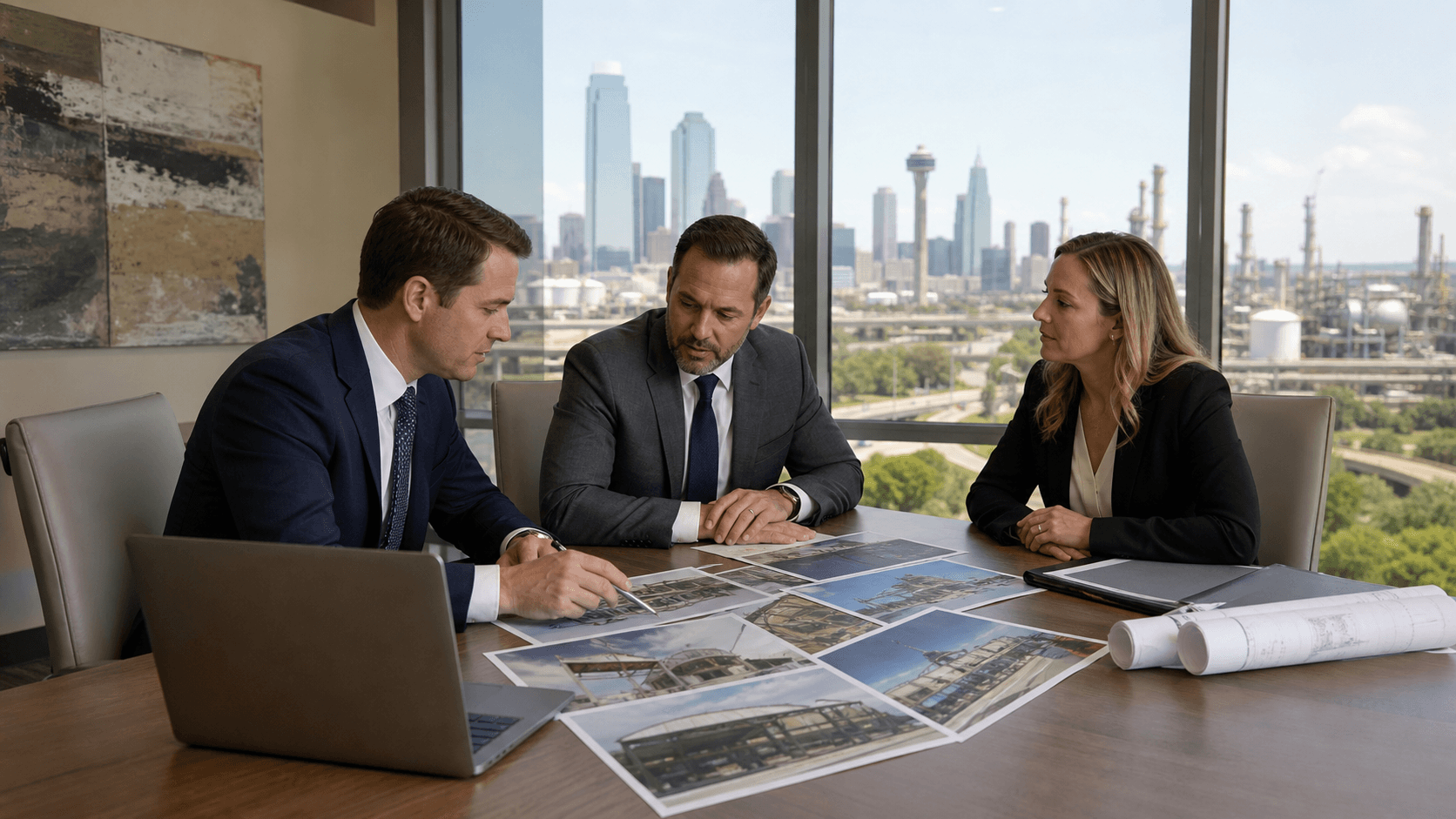
A large commercial property loss in Texas is not a routine claim. It is a major financial event that can hit your balance sheet, your tenants, your lenders, and your long-term plans. Choosing the wrong insurance claim law firm can leave millions of dollars in contract benefits on the table.
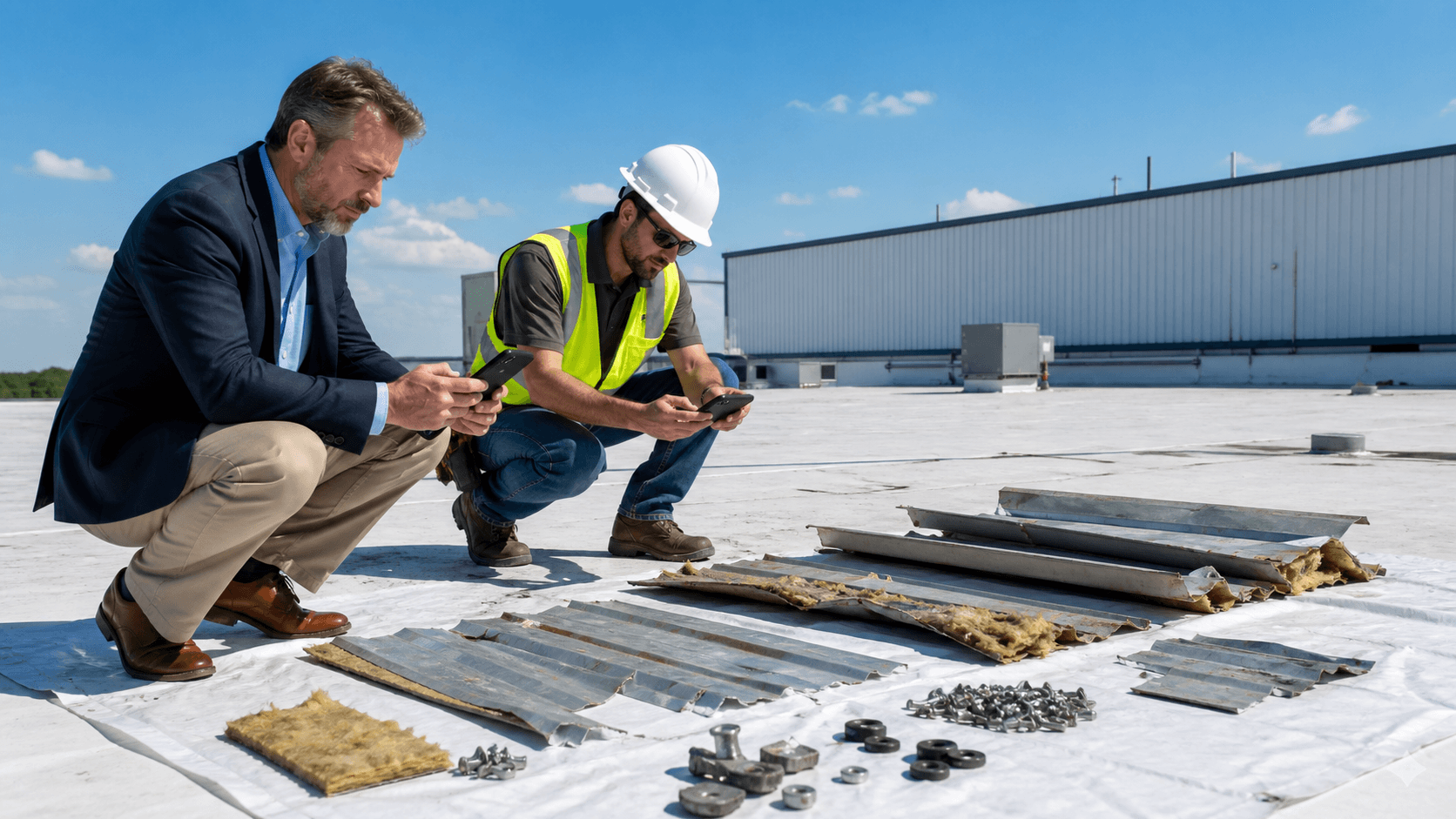
First-party property disputes for hail, windstorm, tornado, hurricane, fire and smoke, pipe burst and internal water, and business interruption coverage require a very specific skill set. This is different from general commercial litigation or personal injury work. The policy language is dense, the proof is technical, and insurers often push hard on causation, scope, and timing.
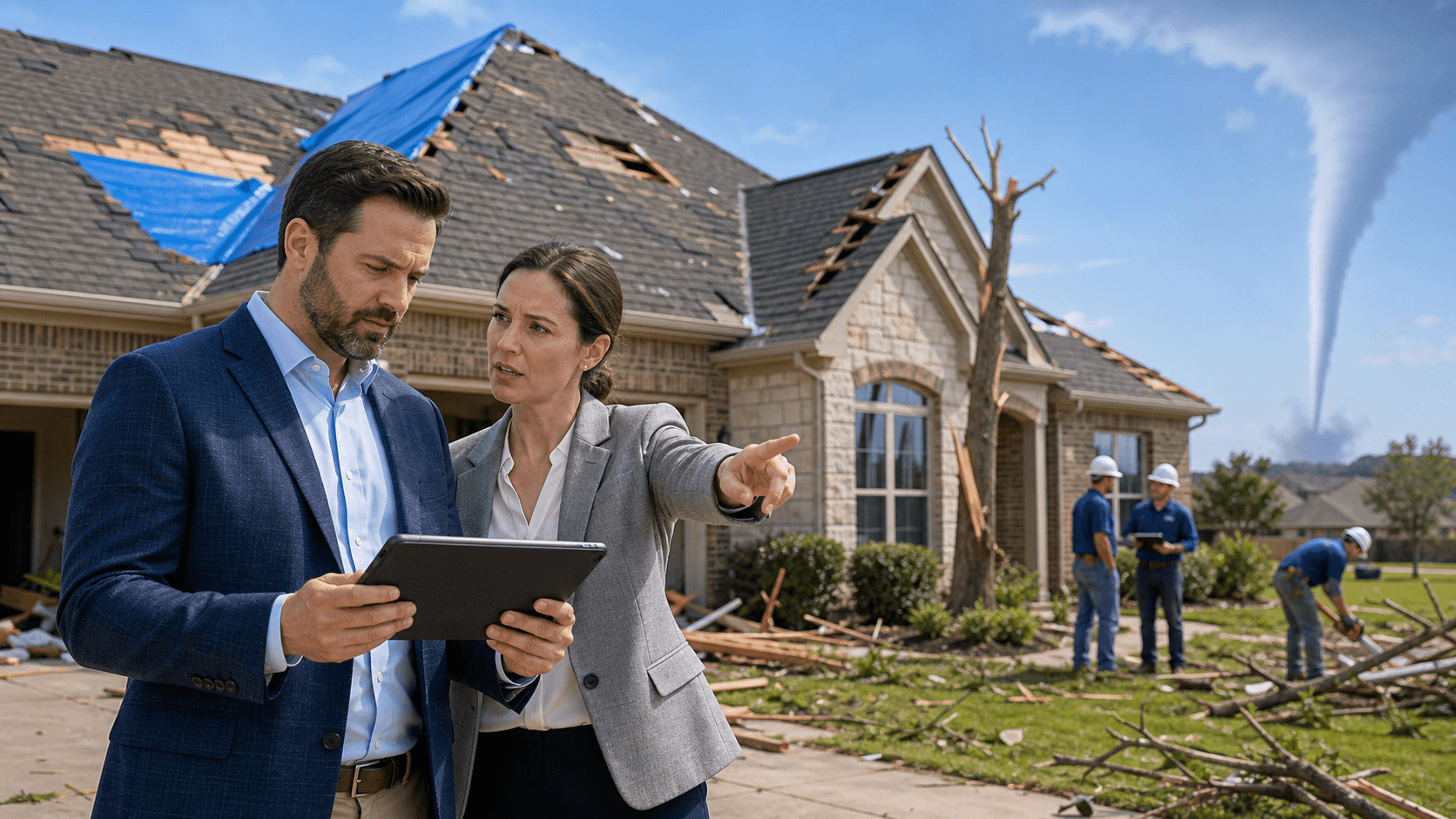
Right now, June storms are already building across Texas. Hail, strong wind, and tropical systems are in play, which means more commercial roofs, interiors, and operations will be tested. For owners with active or emerging disputes, choosing the right insurance claim law firm is not a long-term planning exercise. It is a near-term business decision with real dollars attached.
What Counts as a Complex Commercial Property Loss
Not every claim needs a high-level property insurance team. But when we talk about complex commercial losses in Texas, we mean something more than a single damaged office suite.
Complex often includes properties like:
- Multi-building portfolios
- Shopping centers or retail power centers
- Industrial facilities and warehouses
- Hospitality properties and large multifamily communities
These properties may have layered coverages, multiple carriers, lender requirements, and detailed leases that control who is responsible for what. All of that feeds into how the claim is presented and resolved.
Certain claim features also add complexity:
- Hail and wind hitting on the same date, or over multiple dates
- Insurer "pre-existing" or "wear and tear" arguments
- Heavy interior build-out, tenant improvements, or specialized equipment
- Code upgrades and ordinance or law coverage
- Confusing deductibles and sublimits across different locations
Business interruption and extra expense coverage add another layer. You have to prove period of restoration, deal with causation fights over lost income, and address partial operations or phased re-openings, especially after fires, hurricanes, or internal water losses from pipe bursts or plumbing leaks.
Sophisticated residential claims can look similar. Large custom homes, high-value contents, and significant additional living expense can raise many of the same coverage and damage questions we see in commercial disputes.
Core Capabilities Your Insurance Claim Law Firm Should Bring
Many policyholders seem to be subjected to more and more lawyer advertising in the quest by certain law firms to aggregate a mass number of clients from a major storm. Unfortunately, the days of providing quality representation based on the individualized needs of a particular insured do not always align with firms looking purely to maximize fees. These firms often take on far more cases than they can handle (all on contingency fees), then allow young or inexperienced associates in the first party insurance field to manage a large number of claims.
For high-value losses, you want a very specific type of firm, not a general litigation shop that occasionally handles a roof claim.
First, when seeking the right property insurance attorney, experts recommend choosing an attorney specifically well-versed in insurance claims rather than a general practitioner or someone who considers themselves a 'jack of all trades.' Many law firms who handle car wreck, slip and fall, and other types of personal injuries lawsuits will claim to be property insurance coverage lawyers, with a small section on their website noting they handle wind/hail property insurance disputes.
Second, coverage analysis has to be a strength. Your team should be comfortable working through:
- Property forms and endorsements
- Time element and business interruption provisions
- Exclusions and conditions tied to hail, windstorm, hurricane, fire and smoke, and internal water losses
You also want a law firm that is fully ready for litigation or arbitration. That includes experience with:
- Federal and Texas state courts
- Arbitration clauses and forum disputes
- Contract and bad faith claims based on unfair claim-handling conduct
- Anti-concurrent causation language that carriers often rely on in wind and storm disputes
Without these skills, a large loss can stall for months while the insurer controls the pace and the story.
Why Former Carrier Counsel Insight Matters
When we say "former carrier counsel," we mean attorneys who used to defend insurance companies in first-party property cases and now represent policyholders only. That background can change how a case is built from day one.
On claim strategy, former carrier counsel understand how insurers:
- Frame causation defenses like wear and tear, poor maintenance, or pre-existing damage
- Challenge scope and pricing by leaning on preferred contractors or limited estimates
- Argue that hail or wind only caused "cosmetic" damage to roofs or facades
- Justify long delays as "reasonable investigation"
On discovery and case development, that inside view helps shape what to ask for and what to challenge. It can guide questions on:
- Engineering reports and how they were scoped
- Reserve decisions and internal evaluations of exposure
- Loss causation analysis for fire, hurricane, and pipe burst claims
- Claim-handling protocols and who really decided to limit or deny coverage
For a large commercial or sophisticated residential loss, that insight can sharpen the record you present to the court or arbitrator.
How to Assess a Firm's Track Record and Tactics Management
You should not have to guess whether a firm has handled cases like yours. Ask specific questions about their experience with:
- Property types similar to yours, such as retail centers, industrial buildings, hotels, or large multifamily assets
- Seven- and eight-figure disputes involving both physical damage and business interruption
- Claims where the insurer denied, delayed, or heavily underpaid based on causation or scope disputes
Look for signs of sophistication. Do they regularly work with forensic accountants, construction experts, engineers, and building consultants? Have they handled cases involving full roof systems, building envelopes, fire reconstruction cost disputes, or complicated lost income calculations?
Texas-specific knowledge is also important. A firm that regularly deals with Texas hail, tornado, and Gulf hurricane exposures will be more familiar with:
- Regional and national carriers that dominate the Texas market
- Local code and permitting issues that affect scope and cost of repair
- How storms in different parts of the state tend to impact certain building types
You also want to know how the firm manages insurer tactics and claim pressure points. Experienced property insurance counsel will recognize patterns like:
- Lowball estimates that ignore real material and labor costs
- Endless requests for "more documentation" that do not change the basic coverage decision
- Rotating adjusters or consultants to reset the timeline
- Selective use of engineering or accounting opinions that favor the carrier
In real disputes, firms that focus on this area are ready to push back on arguments about "minor" interior water, "cosmetic only" hail damage, or "superficial" fire and smoke contamination.
Key Questions Before You Commit and How to Move Forward
Before you sign an engagement agreement, it helps to ask clear, direct questions about experience and fit, such as:
- How many commercial property and business interruption cases do you actively handle?
- How often do you work on large custom home or high-value residential claims?
- Who on your team will actually manage my case day to day?
You should also clarify structure and communication. Ask how the firm staffs major claims, what kind of reporting you can expect, and how often strategy will be revisited as new information comes in.
On fees and risk, policyholders often want to understand how contingency arrangements work, how case costs are handled, and how the firm decides a denied, delayed, or underpaid claim is ready for litigation or arbitration under Texas law.
The bigger picture is shifting from frustration to strategy. Waiting on an insurer that keeps dragging its feet can weaken your position. It can slow repairs, strain relationships with tenants and lenders, and create long-term issues for your property or home.
A focused next step is simple. Pull together your policy, key correspondence with the carrier, their estimates and reports, and your financial information related to loss of income or extra expenses. With those in hand, a Texas property insurance attorney who represents policyholders only, like the team at Lundquist Law Firm, can evaluate whether your commercial or sophisticated residential loss is being handled in line with what your policy actually promises.
Protect Your Fire Loss Claim With Experienced Legal Help
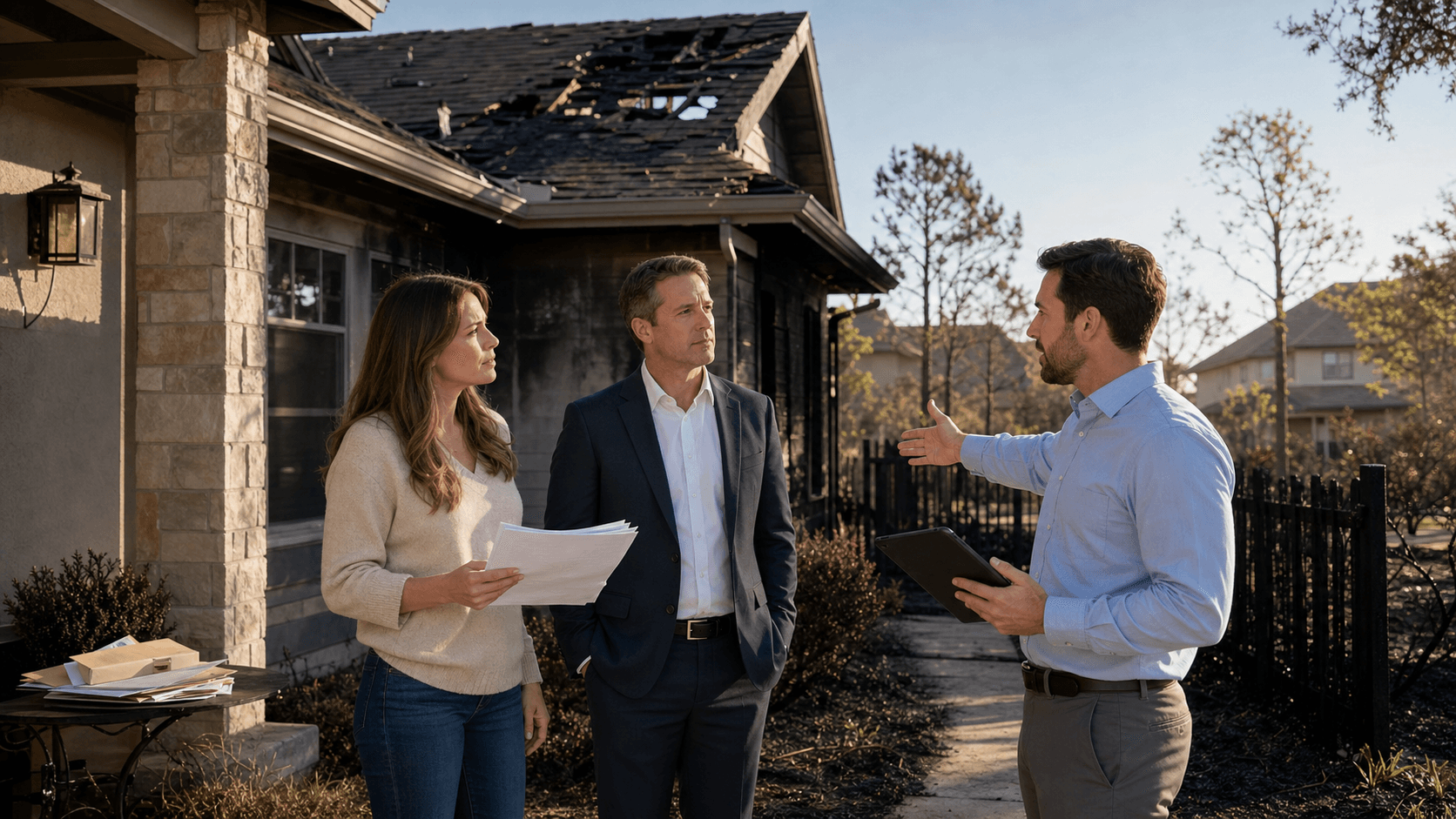
If your fire insurance claim has been delayed, underpaid, or denied, we are ready to review your situation and explain your options. As a dedicated insurance claim law firm, we focus on helping policyholders pursue the full benefits they paid for. Lundquist Law Firm will walk you through the process, handle communications with the insurer, and advocate for your best outcome. Reach out today through our contact page to schedule a confidential consultation.