When Routine Commercial Claims Turn Into Systemic Underpayment
Commercial property damage claims should be simple. Your Texas property takes a hit from hail, a windstorm, a hurricane, a tropical storm, or a tornado. You report the loss, and the carrier pays what it takes to fix the damage and keep your business moving. When the payment lands and it is a fraction of what your contractor says you need, you know something is off.
Sometimes that gap is not just a "tough adjuster." It can be a sign of a bigger pattern in how certain carriers or third-party administrators handle high-value claims. We call that systemic underpayment. It shows up across many claims, not just one file, and it can create real business risk when you are trying to repair roofs, finish build-outs, or protect ongoing operations during peak leasing or busy seasons.
Systemic underpayment means the problem is built into the approach, not just one mistake. The loss is large, the damage is obvious, but the carrier's numbers are consistently low, stripped down, and slow. For Texas businesses, that can mean stalled projects, unhappy tenants, lost rent, and pressure on cash flow when you should be focused on running the business.
At Lundquist Law Firm, we focus on helping policyholders with complex, high-value first-party property insurance disputes. Our work centers on hail, wind, tornado, hurricane, fire, internal water losses from things like pipe bursts or sprinkler failures, and business interruption tied to these events. We see firsthand how "routine" claims turn into long, expensive fights when systemic underpayment takes hold.
How Systemic Underpayment Shows up in Texas Claims
There are early warning signs that your claim is being systemically underpaid, not just adjusted on the low side. Common red flags include:
- Estimates that repeat the same template language, no matter what your building actually looks like
- Scopes that leave out obvious damage, such as sections of roof, facade, or interiors
- Line items that look copy-and-paste across entirely different properties and locations
Texas policyholders often see the same patterns:
- Preferred vendor inspections that seem built to minimize roof and building envelope damage
- "Cosmetic only" labels on significant hail impacts that plainly affect performance and the life of the system
- Wind or tornado damage written off as old wear or poor installation based on short, generic engineering letters
Internal water losses and fire or smoke losses are also frequent targets for underscoping. You may see:
- Demolition limited to visibly wet or charred areas, while hidden cavities and systems go unchecked
- Refusal to pay for required code upgrades, even when local officials are involved
- Pushback on business interruption and extra expense, as if your operations snapped back overnight
Owners of multiple centers, industrial parks, or multifamily assets often spot the pattern first. The same types of damage, in different cities, keep getting the same underwhelming treatment. When the gap between actual loss and paid loss repeats across locations, you are likely facing more than a one-off disagreement.
Why Commercial Property Damage Claims Are Especially Vulnerable
Large commercial property damage claims invite aggressive cost control from carriers. Policy limits are higher, structures are more complex, and the property programs are more sophisticated. That combination gives insurers more ways to argue about what is covered and how much it is worth.
Policy language can work against even experienced property owners. Many programs include:
- Manuscript endorsements with unique terms and exclusions
- Layered or shared limits that raise questions about which carrier owes what
- Separate wind and hail deductibles that change how losses are calculated
- Business interruption provisions that hinge on timing and proof of loss
- Ordinance or law coverage that may be narrow or disputed
Business interruption and extra expense claims are especially contested. Common pressure points include:
- Arguments over how long the "period of restoration" should really last
- Disputes about rent loss, especially when leasing cycles and tenant decisions are involved
- Ignoring real-world construction delays, material supply issues, and local permitting timelines
Even sophisticated insureds, such as REITs, developers, portfolio owners, and large tenants, can be underpaid. Many rely on carrier-supplied numbers or vendor programs because they appear efficient or familiar. When losses stack up over time, it becomes clear that "business as usual" may have left significant dollars on the table.
Insurer Tactics That Turn a Claim Into a Litigation Problem
Certain claim-handling behaviors almost guarantee conflict. By the time a file reaches litigation, we often see a common set of tactics in the history of the claim. These can include:
- Delayed inspections, repeated reassignments of adjusters, and rotating field consultants
- Requests for the same documents over and over while payment trickles in
- Long pauses with little explanation, even as the property sits open and vulnerable
Scope and causation fights tend to follow a script. Carriers may blame:
- Roof and facade damage on wear and tear instead of a clear hail or wind event
- Cracking or displacement on "installation defects" instead of storm forces
- Long-term issues that appear only after a specific hurricane or tornado is documented
For internal water and fire claims, underscoping is common. You might see:
- Demolition limited to areas with obvious staining or charring
- Little or no testing for smoke and odor penetration into less visible areas
- Minimal review of building systems that may have been compromised by heat or moisture
- Tight limits on code compliance items, even when local rules are clear
Carriers also rely heavily on retained engineers, building consultants, and forensic accountants. Their reports can be framed to support lower payments on both property and business interruption claims. When wording and assumptions are slanted, the final numbers often look nothing like real construction or operating costs on the ground in Texas.
Protecting High-Value Claims Before They Go Off the Rails
While you cannot control how a carrier behaves, you can control how you present and protect your claim from the start. For significant commercial or high-value residential losses, early discipline matters. Helpful steps include:
- Prompt notice of the loss and clear internal records of when and how it happened
- Strong photo and video documentation of conditions before any major tear-out
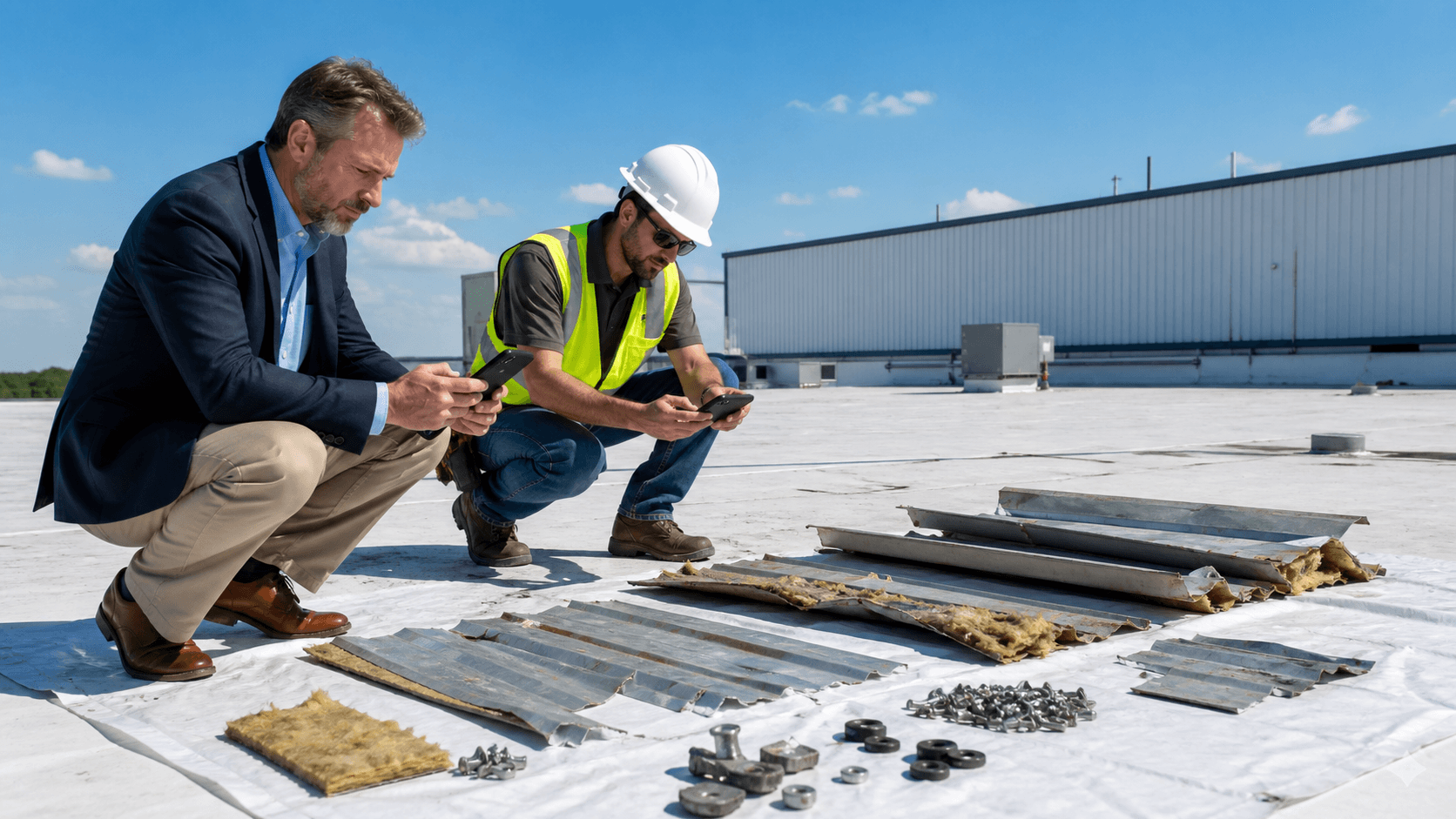
- Preserving damaged components where practical so experts can inspect them later
- Independent inspections from qualified contractors or consultants when the loss is large
Presenting a complex claim is closer to running a project than filling out a form. Good practices often include:
- Detailed scopes of repair or replacement from qualified professionals
- Thorough inventories of tenant build-outs, finishes, and contents affected
- Careful tracking of mitigation costs and extra expenses tied to the loss
- Clear financial data to support business interruption calculations, grounded in your actual books
At some point, you may realize you are not dealing with a normal negotiation. Warning signs of a deeper underpayment problem include:
- Multiple supplements met with the same stripped-down answers
- Refusal to consider credible third-party reports and estimates
- Repeated denials of items that plainly fall within the policy language
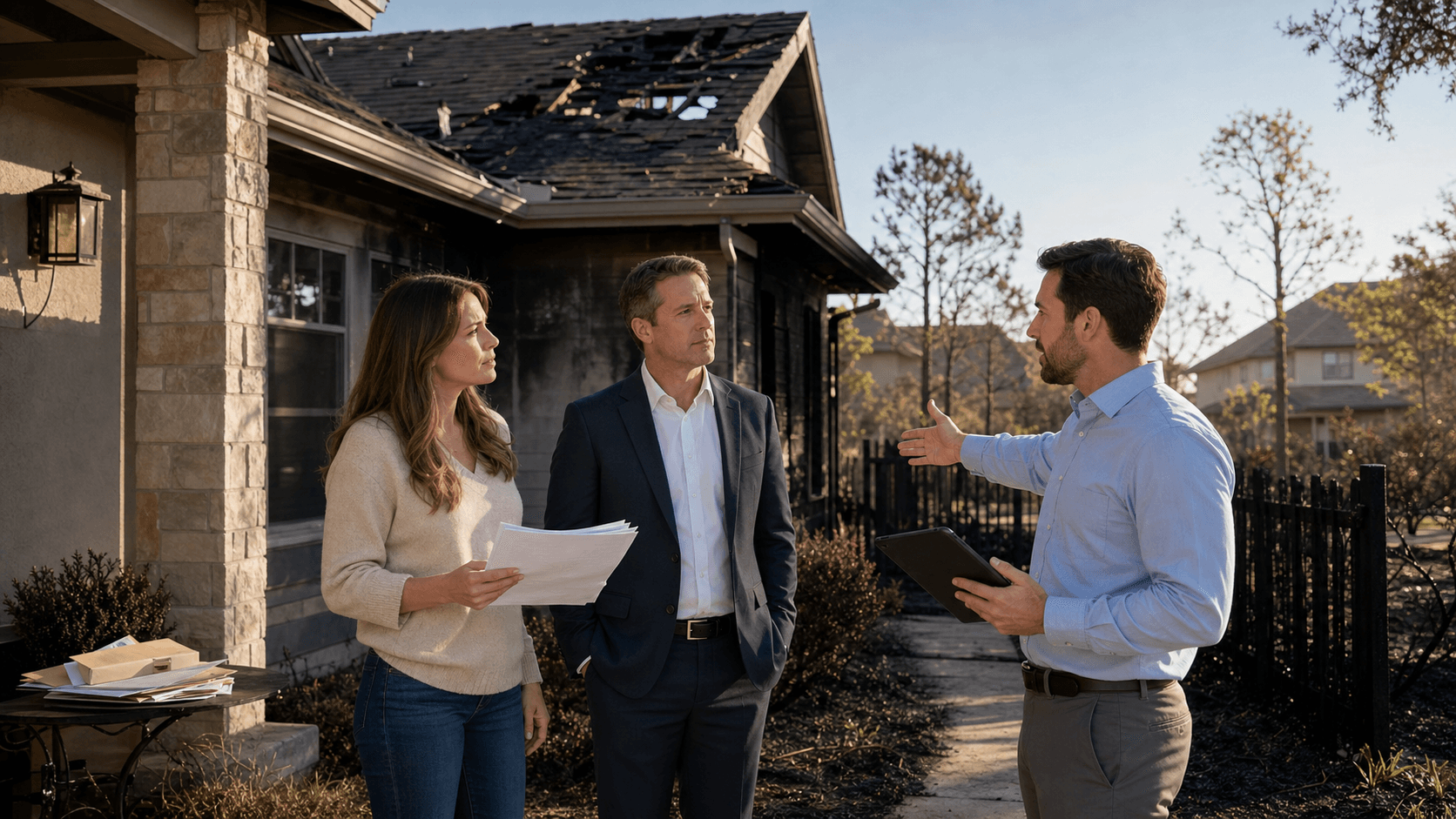
For large Texas commercial claims and high-value residential fire or internal water losses, it often makes sense to involve coverage counsel well before deadlines approach. Waiting until repairs are nearly complete or policy time limits are about to expire can limit your options.
Turning an Underpaid Claim Into a Strategic Legal Response
When a claim appears systemically underpaid, an experienced Texas policyholder attorney will look at it as a whole, not just as a single estimate dispute. A careful evaluation often includes:
- Reviewing the full policy, including endorsements and any layered coverage
- Studying the claim file and correspondence to see how decisions were made
- Comparing carrier estimates to real construction and remediation costs in your markets
- Identifying potential unfair claim-handling patterns and delay issues
Legal theories in first-party property disputes usually focus on the contract and on how the claim was handled. Depending on the facts, possible claims can include breach of contract and Texas prompt payment violations. In certain cases, where conduct crosses specific lines, extra-contractual or bad-faith claims may also be in play. Each case depends on its facts and on the evidence available.
For us, litigation is not about emotional payback. It is about enforcing the policy so that the property damage, code upgrades, business interruption, and extra expense that you purchased coverage for are honored according to the contract and the evidence. Because Lundquist Law Firm represents policyholders only and concentrates on complex, high-value Texas property disputes, we are in a position to see patterns across carriers, regions, and loss types that a single insured might not see when looking at one claim at a time.
When to Call a Texas Property Insurance Litigation Boutique
Knowing when to move from "wait and see" to "we need legal help" is a business judgment call. Many owners and decision-makers look at:
- The total amount at stake across property, code upgrades, and business interruption
- The gap between credible repair numbers and what has actually been paid
- Any signs that the same underpayment pattern is repeating across a portfolio
- Upcoming deadlines that could limit your ability to challenge the claim outcome
Large hail, wind, hurricane, tornado, fire, pipe burst, and business interruption claims are not just insurance tasks. They are high-stakes business problems that can affect leasing, lending relationships, and long-term asset value. As storm activity ramps up through late summer and as Texas businesses work through busy periods, treating these claims with that level of seriousness can protect both your properties and your balance sheet.
Lundquist Law Firm is built for these kinds of disputes. From our base in Texas, we focus on helping commercial property owners, business operators, and sophisticated residential insureds address complex, high-value first-party property insurance problems, especially when claims have been systemically underpaid or slow-walked. For many policyholders, a careful legal review of policies, losses, and claim history is a critical step in deciding how to move forward.
Protect Your Commercial Property Rights Before Time Runs Out
If your insurer is delaying, underpaying, or disputing your commercial property damage claims, we are ready to step in and advocate for you. At Lundquist Law Firm, we carefully review your policy, assess your losses, and build a strategy aimed at securing the full compensation you are owed. Do not wait until critical evidence is lost or deadlines expire. Reach out today through our contact page so we can evaluate your situation and explain your options.