Protecting Texas Commercial Assets After a Tornado
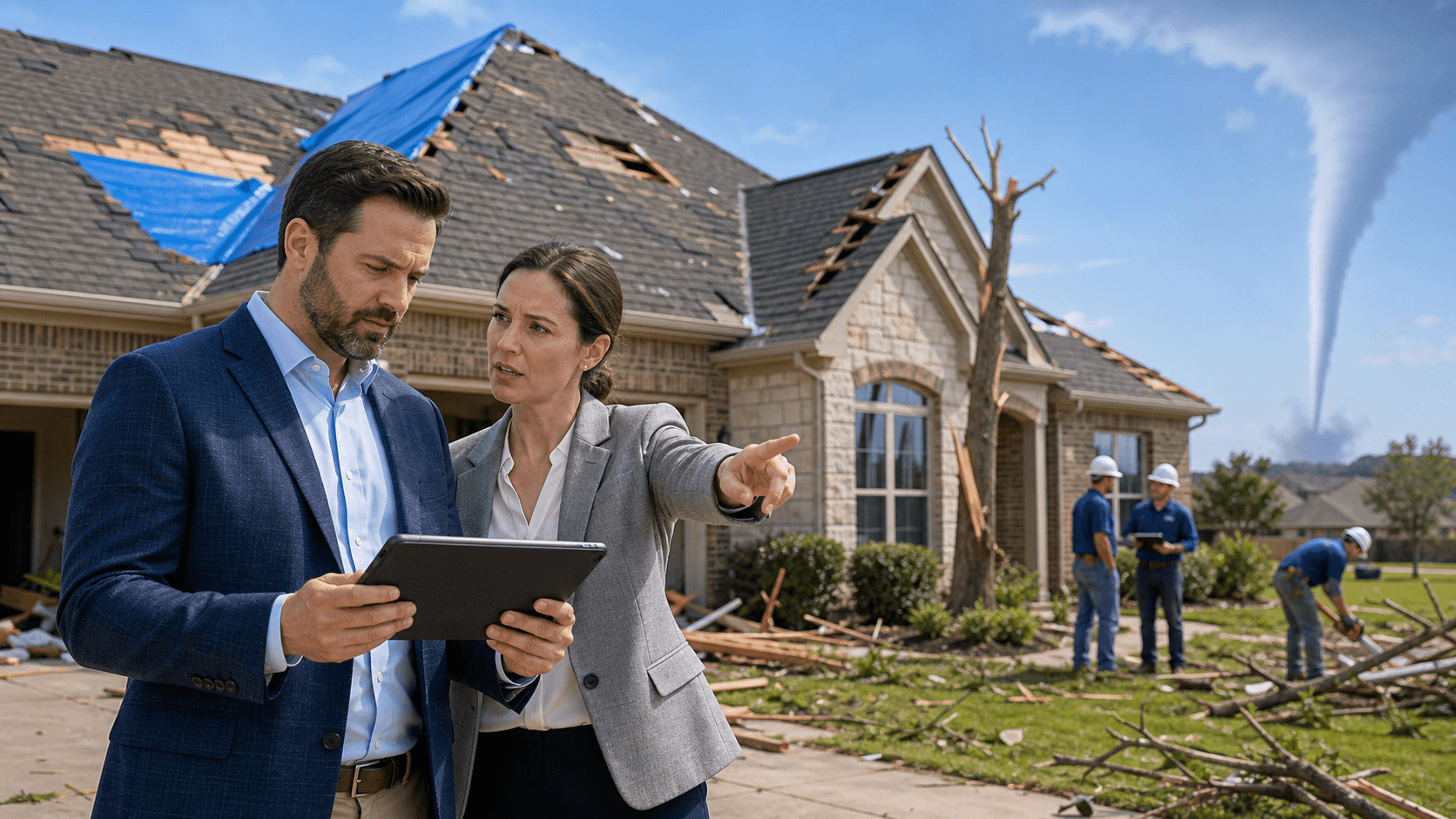
Tornado season in Texas puts commercial property to a real test. When strong wind tears through a corridor packed with shopping centers, industrial yards, warehouses, and multifamily projects, the financial hit can echo for years, not months. Roofs peel, building envelopes open up, and profitable space turns into a construction site overnight.
High-dollar tornado claims are not the same as a small roof leak or a minor interior loss. You are dealing with complex causation fights, big code upgrade questions, serious business interruption, and large wind or percentage deductibles that can shape every decision. When the exposure runs into seven or eight figures, the real issue becomes this: how should a sophisticated Texas policyholder evaluate a commercial tornado insurance claim lawyer in Texas, and what should you reasonably expect from counsel when everything is on the line?
When a Tornado Loss Becomes a Serious Legal Problem
Many commercial owners start out hoping the claim is just a tough adjustment. It turns into a legal problem when the carrier begins to frame the loss in ways that do not match what you see on site. Red flags show up fast, such as:
- Blanket or near-blanket denials with little real explanation
- Heavy focus on “wear and tear” or “pre-existing damage” to avoid paying for storm impacts
- Blaming deferred maintenance instead of accepting functional damage to roofs or facades
- Narrow repair scopes that ignore building envelope issues or mechanical damage
While that is happening, the business side keeps moving. Tenants have to leave damaged units. Hotels lose room revenue. Plants go dark, which hits supply chains and customer relationships. Lenders, investors, and partners want answers that you cannot give without clear claim movement.
Insurers know this pressure is real. On large commercial and multifamily portfolios, they often use delay and limited “advance” payments to push owners toward discounted settlements. They may insist on patching when you know replacement is needed, or apply causation theories that cut out big parts of the loss. At that point, this is no longer a simple property claim. It is a serious dispute that calls for targeted coverage counsel and a long-term strategy.
Core Capabilities to Expect From Texas Coverage Counsel
For large tornado and wind losses in Texas, legal experience has to be very specific. General litigation background helps, but these claims sit at the intersection of complex policy language, engineering, construction, and business operations.
At a minimum, commercial policyholders should expect counsel with:
- Deep first-party property coverage work in Texas, including windstorm and tornado cases
- Direct experience with commercial policy forms, endorsements, deductibles, and business interruption coverages
- A practice that represents policyholders only, not insurers, so strategies stay aligned with claim recovery
High-value tornado work also needs comfort with large-loss litigation. That often means:
- Handling multiple locations in a single program or portfolio
- Working within layered or shared insurance structures and builder’s risk overlaps
- Understanding ordinance or law coverage, demolition, and code-driven scope
- Managing multi-million-dollar business income and extra expense claims that move with the construction schedule
You should not have to explain basic property coverage concepts to your own lawyer. They should be raising the issues before you do.
Evaluating a Commercial Tornado Insurance Claim Lawyer in Texas
When you sit down with potential counsel, you want more than a resume. You want proof they can handle a tornado loss that looks like yours. Useful questions include:
- Have you handled commercial tornado or major wind claims that match our asset type and scale?
- What recent Texas results can you discuss that involved similar policy language or carrier positions?
- How familiar are you with the insurers that commonly write Texas commercial programs?
- Are you comfortable working with engineers, roofing consultants, building envelope experts, and forensic accountants?
Fit also shows up in how the lawyer runs the matter day to day. Ask who will actually manage your file, plus how they plan to communicate with your executives, risk managers, and asset managers. Early case evaluation is key. Good coverage counsel will talk plainly about:
- The strengths and weaknesses they see in your claim theory
- Likely litigation forums, including state or federal court
- Any arbitration provisions or venue issues that may drive the roadmap and timing
Fee structures for large first-party cases can take different shapes, from contingent to hybrid or hourly. What matters for a sophisticated policyholder is that these terms are discussed clearly, along with expected timelines and decision points, before you commit.
How Skilled Counsel Builds a Strong Tornado Claim
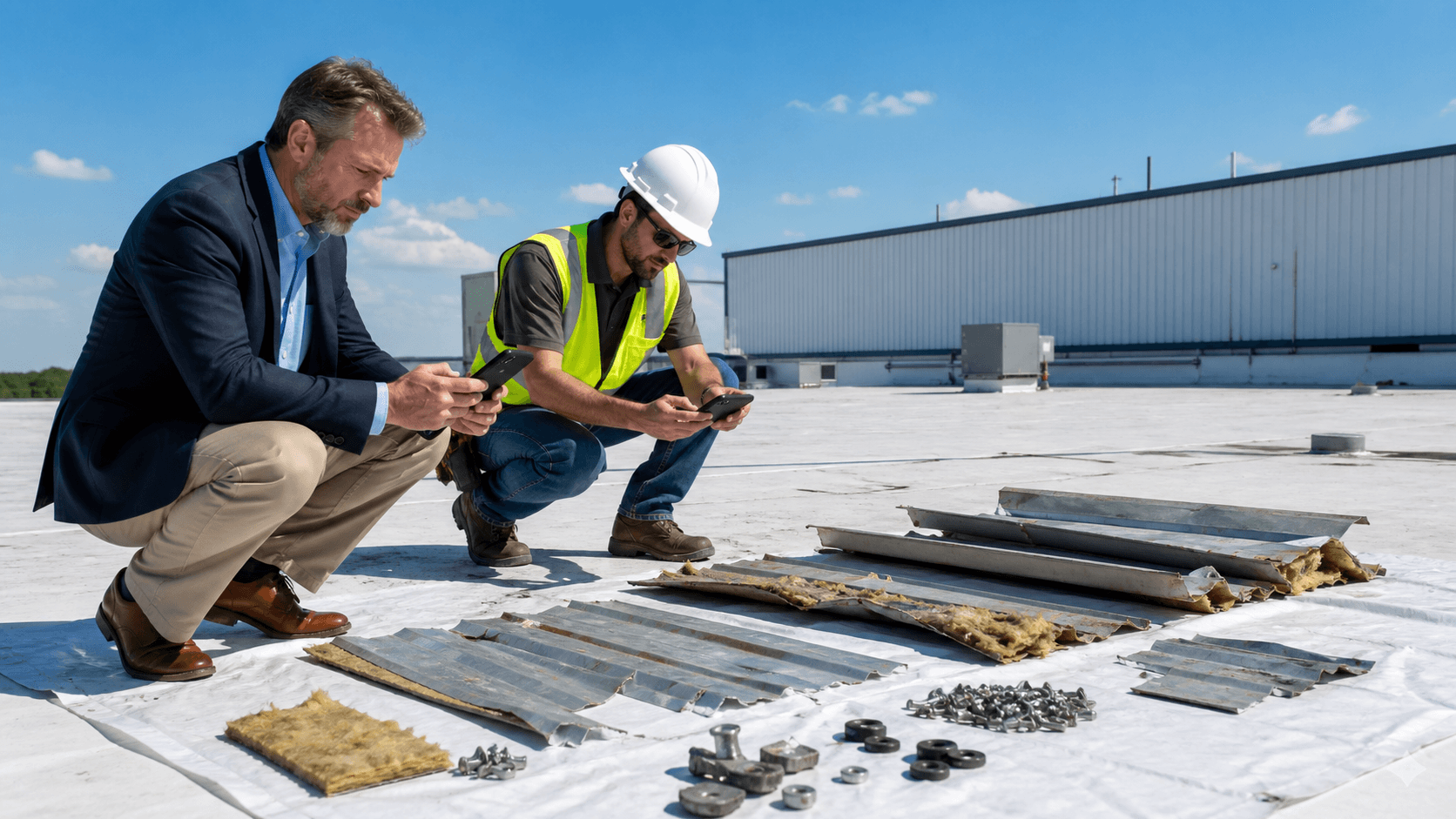
Once engaged, a seasoned commercial tornado insurance claim lawyer in Texas should move quickly to build the file, not just react to the carrier. That usually starts with coordinated site work: visiting properties early, bringing in qualified engineers, roofing and building envelope experts, and capturing photographic and physical evidence before repairs blur the record.
From there, counsel should help your internal team and consultants develop a defensible scope and price. That often includes:
- Detailed damage mapping and modeling, not just a basic line-item estimate
- Code and permitting analysis to support full replacement and upgrade costs
- Tight alignment between construction estimates and business interruption calculations
The policy itself is a key tool. Skilled coverage counsel will comb through forms and endorsements to identify useful provisions, such as:
- Coverage extensions for debris removal, ingress and egress, or professional fees
- Matching requirements for roofs and exterior finishes
- Contingent business interruption where supplier or customer locations are hit
- Extra expense coverage that supports temporary operations or relocations
Insurers may downplay or ignore these paths to recovery. Strong counsel will keep them front and center.
Managing Business Interruption and Complex Valuation Issues
For many income-producing properties, the business interruption side of a tornado claim can eclipse the physical rebuild. Hotels, industrial plants, logistics hubs, retail centers, and multifamily assets feel this quickly when rent, room revenue, or production drops.
Building that part of the claim usually requires forensic accountants and industry experts. Their work helps:
- Calculate lost profits or lost rents based on real operating history and market conditions
- Document extra expense needed to keep some level of operation going
- Push back on insurer efforts to apply unrealistic “but for” scenarios or aggressive mitigation assumptions
Good coverage counsel ties these pieces to your real-world operations. That means factoring in tenant churn, lease-up realities, rate trends, and contract obligations that shape how fast you can truly recover. The goal is a valuation story that reflects the true economic impact of the tornado, not just square footage and a stack of invoices.
Choosing a Texas Firm for High-Stakes Property Disputes
Not every firm that handles routine consumer claims is built for complex commercial property litigation. High-stakes tornado and major windstorm losses call for a team that is comfortable in large case formats and understands how sophisticated owners, developers, and asset managers think.
When you look for a long-term legal partner, watch for:
- A track record against major commercial insurers that write in Texas
- Real knowledge of Texas courts and how judges and arbitrators tend to view property disputes
- The ability to manage communication with corporate decision-makers, boards, and outside risk advisors
Lundquist Law Firm is a Texas-based practice focused exclusively on policyholders in first-party property insurance disputes, including hail, windstorm, tornado, hurricane, fire, and smoke, pipe burst and internal water losses, and business interruption. Our work centers on contested, delayed, underpaid, and denied commercial claims, along with serious residential losses where the stakes justify significant legal effort.
Taking Control of Your Texas Tornado Claim Strategy
For many owners, the real exposure is not just one tornado site; it is the entire claims portfolio across a region. That might include open files, “investigations” that never seem to end, repeated document requests, and large supplemental claims that go unanswered. Those patterns signal risk, especially where policy limitation periods or contractual arbitration provisions may cut off options if you wait too long.
Early legal evaluation can shift leverage even before a lawsuit or arbitration is filed. Strategic coverage counsel can help pressure-test your current claim strategy, outline realistic recovery ranges, and identify where formal action may be required to protect your position. For sophisticated policyholders facing substantial Texas tornado or related windstorm losses, taking control of that process early is often the difference between living with a discount and fully enforcing the coverage you bought.
Protect Your Commercial Property Claim With Experienced Legal Help
If your business has suffered tornado damage, our team at Lundquist Law Firm is ready to help you pursue the coverage you paid for. Work with an experienced commercial tornado insurance claim lawyer in Texas who understands how to challenge delays, underpayments, and denials. We will review your policy, gather critical documentation, and advocate for you through every stage of the claim process. To discuss your situation and next steps, please contact us today.