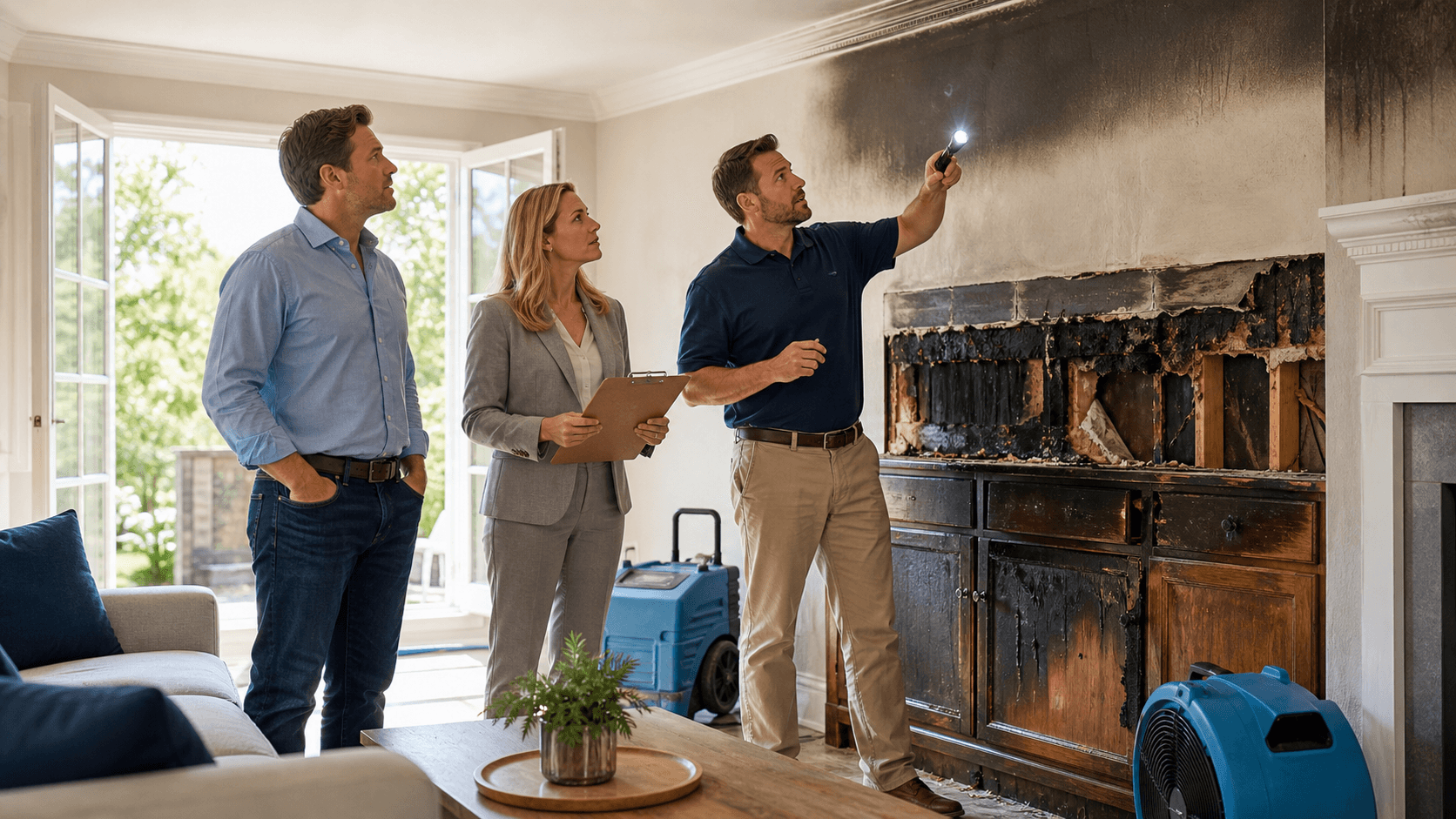
Interpreting Texas Property Policies After Tornado Losses
Tornadoes in Texas are not rare events, especially across North and Central Texas. When a strong system hits a shopping center, industrial site, multi-family complex, or high-value home, the physical damage is only the first problem. The real fight often starts later, when the carrier begins to read your property policy in the narrowest way possible.
Our goal here is simple. We want to walk through how Texas property policies are read after a tornado, where coverage battles usually occur, and how sophisticated policyholders can position their claim. If you own or manage commercial property in Texas, understanding this framework can help you challenge weak coverage positions and decide when a tornado damage insurance attorney in Texas should be part of your response team.
Why Tornado Losses Challenge Texas Policyholders
Tornadoes create a special kind of mess. In a single event, you can see:
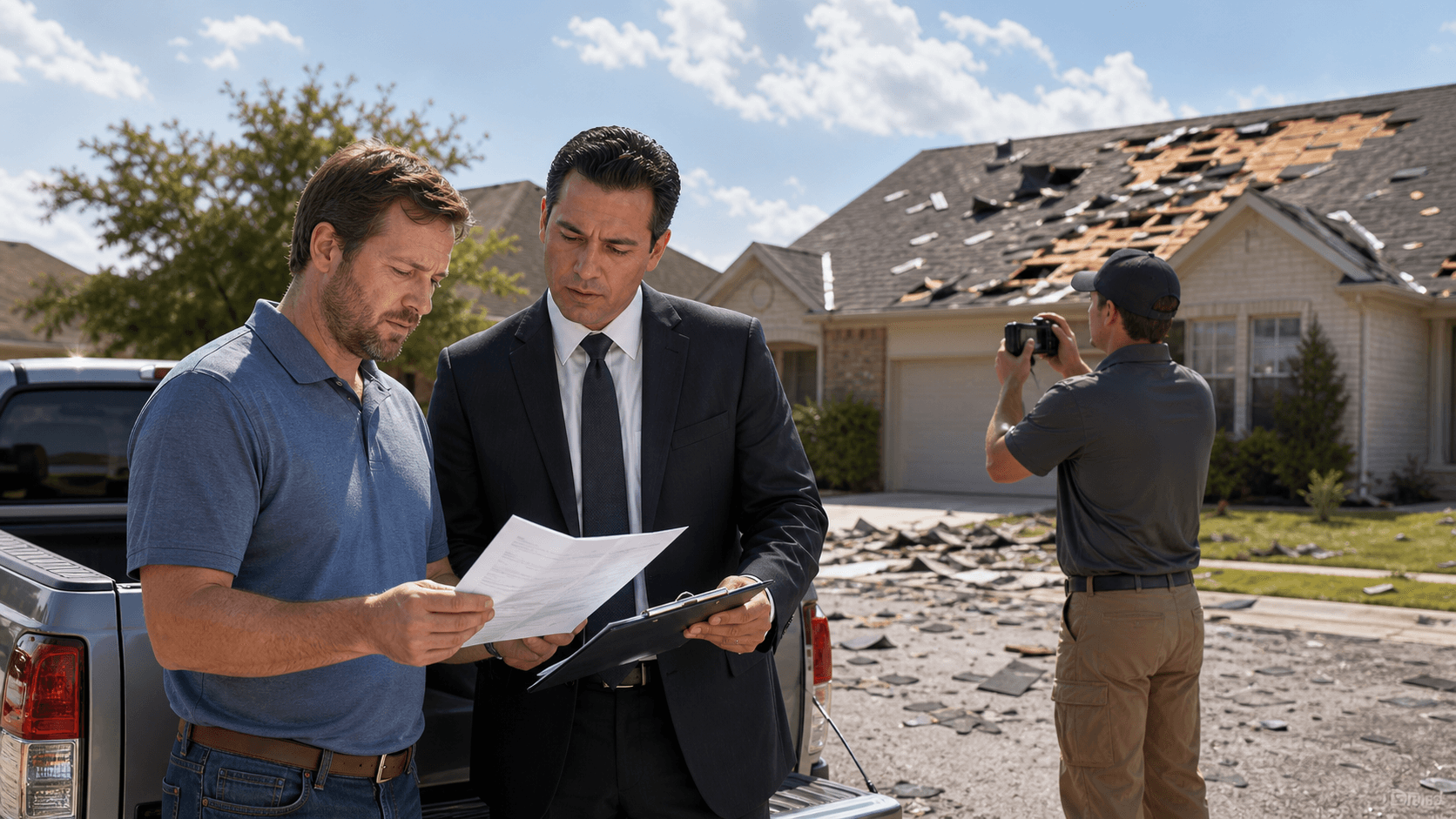
- Wind-driven debris cutting through roofs and walls
- Mixed hail and wind impacts across large roof systems
- Building envelope breaches that allow water to pour inside
- Power loss that cripples operations and revenue
For commercial portfolios and high-value residences, you are often dealing with multiple structures, different roof ages, and complex mechanical systems. What looks like one storm can turn into a long fight over what damage is new, what is old, and what is supposedly only "cosmetic."
On paper, many Texas property policies appear straightforward. Once the claim starts, carriers may point to:
- Separate windstorm deductibles
- Cosmetic damage limitations
- "Wear and tear" or "maintenance" exclusions
- Causation arguments that try to separate "covered" from "uncovered" damage
Our focus is how Texas courts tend to treat these issues, so you can read your policy with the same level of detail the carrier is using against you.
Reading the Policy the Way Insurers Do
Most insureds start with the declarations page. Insurers start there too, but they do not stop.
You need to know:
- Limits by building or location
- Windstorm or "named storm" deductibles that are higher than the standard deductible
- Endorsements that quietly narrow coverage for roofs, finishes, or business interruption
The coverage form matters. Many commercial policies are written on "special form" or "all-risk" wording, which generally covers direct physical loss unless excluded. Others use named-peril forms that only cover listed causes. For tornado losses, the form type affects how hard your carrier can push alternative explanations like poor maintenance or old leaks.
Definitions are another battleground. Terms like "windstorm," "occurrence," "direct physical loss," and "specified perils" frame the whole claim. Carriers may argue:
- Dents and deformation are only "cosmetic" and not a direct physical loss
- Interior water is due to a "leak" or "seepage," not to storm-created openings
- Multiple impacts are one "occurrence," which can limit recovery
Endorsements often change the rules midstream. You may see:
- Cosmetic damage limits for metal roofs and siding
- Roof surfacing endorsements that change how ACV and replacement cost are calculated
- ACV-only endorsements that keep you from recovering full replacement cost on large roofs
Large commercial programs often use manuscript or surplus lines forms. These do not always track standard wording, so common industry assumptions may not apply. Careful reading is not optional; it is the whole ballgame.
Structuring the Tornado Damage Claim From Day One
How you build the claim early can make or break your position later, especially if litigation becomes necessary.
First, documentation. For serious losses, professional inspections are important:
- Roofing consultants and building envelope experts
- Structural engineers for framing, connections, and foundations
- Forensic accountants for business interruption and extra expense
You also want to separate tornado damage from prior issues. That means gathering dated photos, maintenance logs, and repair invoices that show the condition of the property before the storm. This helps push back when a carrier labels storm damage as old wear or poor construction.
Second, policy deadlines. Texas policies typically require:
- Prompt notice of loss
- Sworn proof of loss within a set time
- Suit filed within a contractual limitation period
If these steps are missed, carriers may try to turn them into coverage defenses. We treat every early email, letter, and form as part of a future court record, not casual paperwork.
Third, managing the investigation. When an insurer sends multiple engineers or keeps changing its scope after "re-inspections," that is a sign of where the claim may be heading. You may face:
- Repeated requests for the same documents
- Partial payments aimed at small, "repair-only" scopes
- Proposals to "spot repair" roofs or facades that are functionally compromised
Those are the moments when involving a tornado damage insurance attorney in Texas can help keep the process from drifting toward an underpaid claim or an unfair release.
Core Coverage Battles After a Texas Tornado
Many disputes after a tornado fall into the same buckets.
Wind, water, and "pre-existing" conditions are constant themes. Interior water intrusion after roof or window failure should be treated as covered internal water damage when the storm created the opening. Carriers sometimes try to re-label this as long-term leaks or seepage. Texas courts look closely at whether the storm created a new opening or simply exposed an old problem.
Carriers also rely on exclusions for "wear and tear," "latent defect," or "improper construction." In high-value losses, both sides may bring engineers with competing views of what the tornado did versus what was already there.
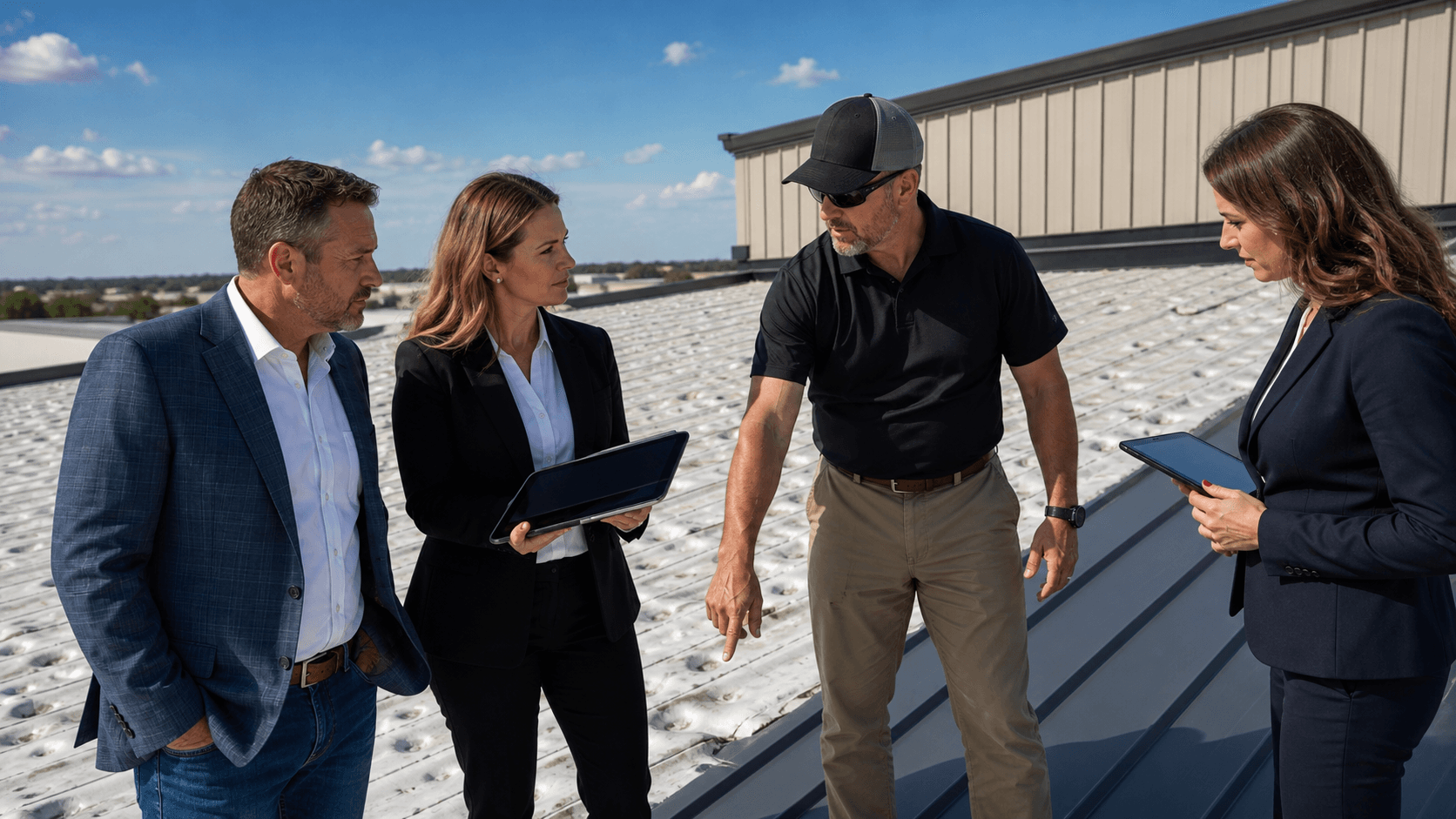
Roof and building envelope disputes are another major front. With TPO, PVC, metal, or modified bitumen roofs, insurers often say dents, lifted seams, or deformed panels are only cosmetic. The better framing focuses on:
- Loss of watertight integrity
- Shortened remaining service life
- System-level damage to fasteners, insulation, and attachments
For walls and facades, panels, glazing, EIFS, and cladding can be bent, cracked, or displaced without a full collapse. The legal question is when that level of impact rises to "direct physical loss" under Texas law, not just when it looks dramatic in a photo.
Business interruption and contingent exposures are also contentious. Carriers may try to cut off coverage by arguing:
- The "period of restoration" ended as soon as some operations restarted
- Temporary workarounds mean there was no real business interruption
- Off-site damage to suppliers, utilities, or access roads does not trigger contingent business interruption, civil authority, or ingress/egress coverage
For sophisticated commercial insureds, forensic accounting support and experienced coverage counsel can be important when the carrier launches an aggressive business income audit or starts to "reinterpret" its own wording after the loss.
Claim Handling, Bad Faith, and Texas-Specific Remedies
Texas law sets standards for how first-party property claims must be handled. Insurers are expected to:
- Promptly acknowledge and investigate claims
- Conduct reasonable investigations before denying or limiting coverage
- Avoid misrepresenting policy terms or facts about the loss
When carriers use low opening estimates to anchor negotiations, rely on generic pricing that ignores actual Texas repair costs, or repeatedly hire the same engineers who almost never find covered damage, the dispute can shift from a simple disagreement into something more serious.
Serial delay tactics are common in large tornado claims. You may see long gaps with no movement, repeated "internal reviews," or constant references to another pending report. Each delay slows reconstruction and business recovery.
Texas law gives policyholders tools to push these claims forward, including detailed written demands and statutory notice requirements. Those tools work best when your file is organized, your experts are aligned, and your communication shows clear, reasonable requests that the carrier is ignoring or handling in a one-sided way.
Turning a Tornado Loss Into a Recoverable Claim Strategy
For a significant tornado loss, it helps to step back and assess where you stand. Questions to ask include:
- Have all structures and systems been inspected by qualified, independent experts?
- Is there a clear record of communications, estimates, and payments to date?
- Are any policy deadlines approaching on proof of loss, supplemental claims, or suit?
Then ask: is the carrier's position a good-faith coverage dispute, or is there a pattern of delay, narrow readings of policy language, and aggressive use of exclusions?
For large portfolios, industrial facilities, hospitality properties, and multi-family assets, a coordinated response team is usually worth the effort. That often means:
- Specialized coverage counsel focused on first-party property disputes
- Independent engineers, roofing consultants, and accountants
- Internal risk managers who can supply records and business context
Policyholder-only firms like Lundquist Law Firm are built around these kinds of complex, high-value property insurance disputes. Our work is focused on first-party property claims for policyholders, including tornado, windstorm, hurricane, fire, internal water, and business interruption losses across Texas.
Protect Your Tornado Claim With Experienced Legal Help
If your home or business has been hit by a tornado, you should not have to face the insurance company alone. At Lundquist Law Firm, we use our experience to help policyholders pursue the full compensation their coverage promises. Speak with a dedicated tornado damage insurance attorney in Texas to review your claim, understand your options, and plan the next steps. To schedule a confidential consultation, contact us today.