Replacement Cost Vs. Actual Cash Value In Texas Commercial Claims
Replacement cost value and actual cash value can lead to very different insurance payments after damage to a commercial property. For Texas businesses dealing with hail, wind, hurricane, fire, smoke, or internal pipe-burst losses, the valuation clause may shape whether available funds match the real work needed to restore the property.
As fall repairs move forward and renewal dates approach, we recommend a prompt review of the policy and the insurer's estimate. An initial payment may not reflect the full amount the policy requires, especially when the insurer has applied depreciation, omitted work, or treated replacement cost benefits as unavailable.
Your Valuation Clause Can Determine the Recovery
A declarations page is a starting point, not the full answer. Commercial policies may provide replacement cost coverage for a building while applying actual cash value, sublimits, or another valuation method to business personal property, tenant improvements, equipment, inventory, or particular building components.
The policy's definitions, endorsements, conditions, and loss-payment provisions can materially change the analysis. A building owner may believe the property is insured on a replacement cost basis, only to find that a disputed item is subject to a different provision or a condition tied to repair or replacement.
We often see valuation questions arise after losses involving:
- Hail-damaged roofing systems and related exterior components
- Wind damage to cladding, windows, doors, and building systems
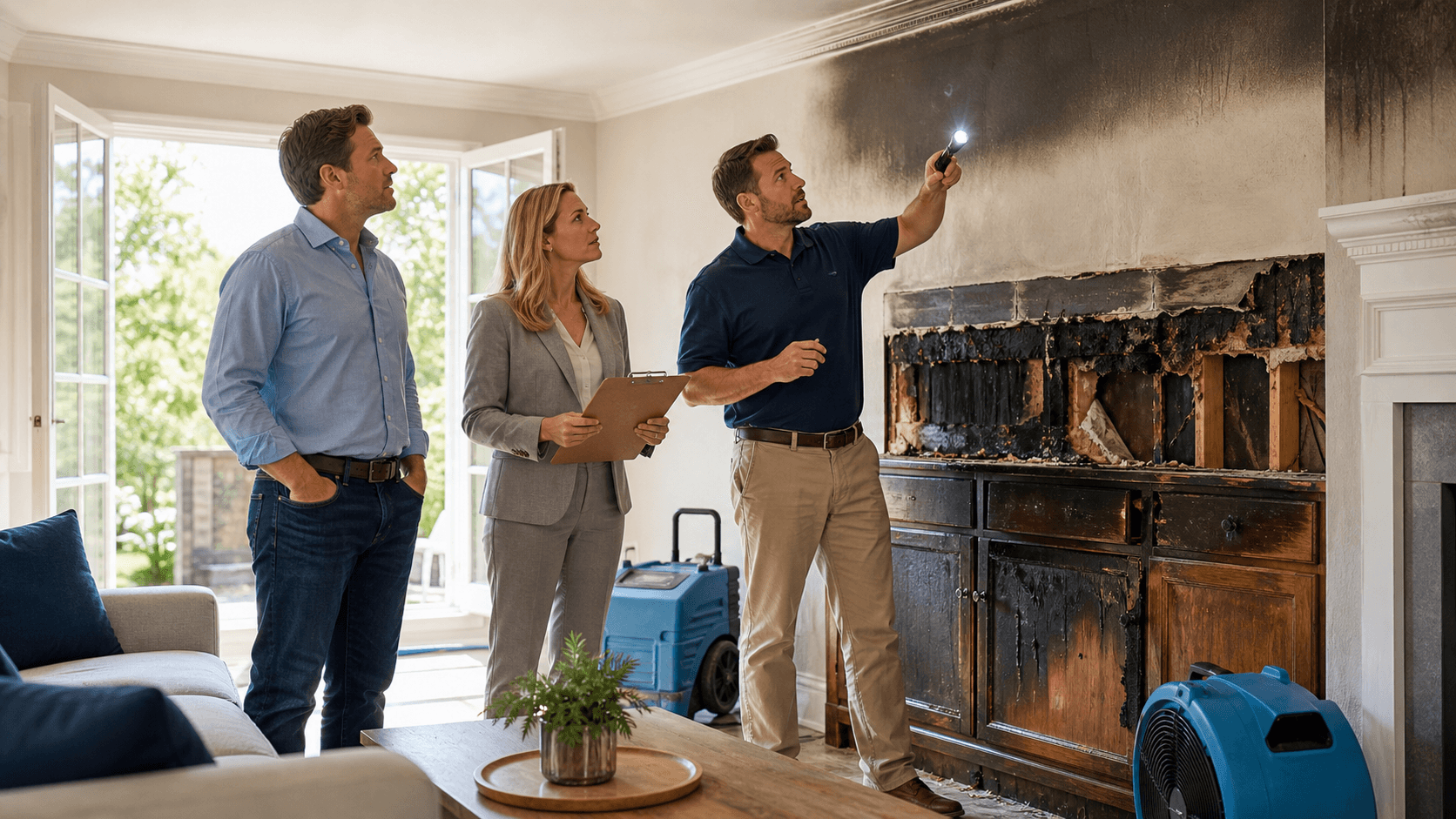
- Fire and smoke damage requiring removal, cleaning, and reconstruction
- Plumbing leaks, sprinkler failures, and other internal water losses
- Damage to HVAC equipment, electrical systems, fixtures, or inventory
The label on the insurer's payment is not the end of the inquiry. The more useful question is whether the carrier applied the valuation language correctly to each covered part of the loss.
Actual Cash Value Is Not a Fixed Percentage
Actual cash value generally accounts for depreciation, but it is not a universal percentage that can be applied across an entire commercial estimate without support. Different property has different ages, conditions, service lives, and remaining value. A roof membrane, HVAC unit, interior finish, electrical component, and piece of business personal property should not automatically receive the same depreciation treatment.
Insurers may use broad assumptions that reduce the payment without tying the calculation to the specific damaged item. That approach can be especially problematic where property remained partly functional before the loss or where a component had years of useful service remaining.
When we assess commercial property damage claims, we look beyond the total depreciation figure. The underlying materials may reveal whether the carrier relied on unsupported assumptions about age, condition, or repairability. Useful records can include photographs, maintenance history, inspection reports, prior repair records, and the insurer's estimate detail.
Actual cash value disputes also commonly overlap with disputes over scope and causation. An insurer may omit damaged work, apply excessive depreciation to what remains, and then describe the result as an adequate actual cash value payment. That description does not resolve whether the estimate reflects the covered damage or the policy terms.
Replacement Cost Requires More Than an Estimate
Replacement cost coverage is generally intended to pay for covered property to be repaired or replaced with property of like kind and quality, subject to the policy's limits and conditions. It does not automatically require payment for every preferred redesign, upgrade, or code-related expense. Still, replacement cost coverage is often more than the insurer's first check.
Many commercial policies initially pay actual cash value and make additional replacement cost benefits available after the insured incurs repair or replacement expenses. The requirements vary. A policy may address when repairs must begin, when they must be completed, what proof is required, and whether replacement at a different location affects payment.
Early planning matters when the loss involves interrupted operations, material availability, permitting, or substantial construction work. Questions that deserve attention include:
- Whether the policy requires repair or replacement before additional benefits are payable
- What invoices, contracts, proof of payment, and photographs should be preserved
- Whether the carrier's approved scope can actually restore the property
- How code requirements, access work, and general-contractor involvement affect the repair plan
- Whether deadlines or notice provisions could affect withheld depreciation
A business should not assume its first payment represents the full replacement cost amount owed. Construction decisions made under pressure can later affect the documentation available to support the claim.
Policy Terms Control Payment Timing and Depreciation
Commercial property claims must be evaluated under the actual policy language. The relevant provisions may include valuation clauses, loss-payment conditions, replacement-cost endorsements, repair requirements, deadlines, and provisions governing property that is not repaired or replaced.
Recoverable depreciation is one area where details matter. Under some policies, depreciation withheld from an initial payment becomes payable after specified repair or replacement requirements are met. Other policies impose conditions or deadlines that carriers may cite as a basis to limit payment. We recommend preserving the records that show the repair process and the expenses incurred.
Delay can add pressure to a commercial loss. A property owner may be addressing tenant obligations, operational disruption, financing concerns, or a schedule that cannot easily absorb repeated inspections. Changing adjusters, incomplete estimates, repeated document demands, and unexplained depreciation can affect both property recovery and the ability to stabilize the business.
Scope Disputes Often Drive Valuation Shortfalls
The replacement cost versus actual cash value dispute often begins with an incomplete scope of loss. If the carrier omits damaged components, uses lower-priced materials, excludes access or demolition work, or fails to account for connected building systems, both valuation figures may be understated from the start.
For example, a hail claim may involve more than visible roof damage. A wind loss may affect exterior systems that cannot be properly repaired in isolation. Fire and smoke claims can require testing, cleaning, removal, and repair of related materials. Internal water losses may involve concealed damage, plumbing access, affected finishes, electrical concerns, and remediation work supported by the loss.
Not every disagreement is a legitimate coverage dispute. Carrier estimates may rely on limited inspections, outdated pricing, narrow causation opinions, or assumptions that repairs can occur without addressing adjacent damaged systems. A complete claim presentation should connect the physical damage, necessary repairs, policy language, and the financial effect of the insurer's valuation decisions.
Lundquist Law Firm represents Texas policyholders only in complex first-party property insurance disputes involving denied, delayed, and underpaid commercial property claims. We evaluate valuation, depreciation, scope, and payment disputes arising from hail, wind, tornado, hurricane, fire, smoke, and non-flood internal water losses.
Review Valuation Issues Before the Gap Widens
Once a valuation dispute emerges, property owners and business decision-makers should review the policy, carrier estimates, depreciation schedules, repair proposals, reports, payment letters, and claim correspondence together. Waiting until repairs are well underway or policy deadlines are close can make it harder to document the full replacement-cost exposure.
A careful review can separate a true policy limitation from an unsupported reduction in scope, pricing, or depreciation. That distinction matters when the insurer's actual cash value payment or replacement cost calculation does not align with the policy language or the real requirements of restoring the damaged property.
Protect the Full Value of Your Commercial Loss
Lundquist Law Firm represents Texas policyholders confronting underpaid, delayed, and disputed commercial property damage claims. We assess the policy, the insurer's valuation, and the evidence needed to support the scope of covered restoration and related business losses. To discuss a significant property insurance dispute with our team, contact us.