Why Measuring Hail Damage Correctly Matters in Texas
Texas commercial properties live with hail risk every spring. Many owners expect a few dings and dents, then move on. The problem is that on large roofs and complex facilities, those “few dings” can turn into major water intrusion, system failures, and business interruption if they are not measured and documented the right way.
Late spring storms often bring large hail, repeat hits, and long tracks that cross entire portfolios. For a commercial hail damage insurance claim, every dollar usually comes back to one core question: how was the damage measured? Many serious disputes are not about whether hail fell. They are about how much of the property is functionally damaged, what must be replaced or upgraded, and what the policy actually covers.
Insurers often try to keep the loss small by limiting both scope and pricing. Sophisticated property owners do better when they focus on evidence, methodology, and policy language from the start. At Lundquist Law Firm, we are a Texas based property insurance litigation firm that represents policyholders only in complex first-party disputes, including high-value commercial hail claims.
What Counts as Commercial Hail Damage Under Texas Policies
On a commercial property, hail can hit far more than the roof surface. Common components that take damage include:
- Low-slope and flat roofs, such as TPO, PVC, modified bitumen, and built-up roofing
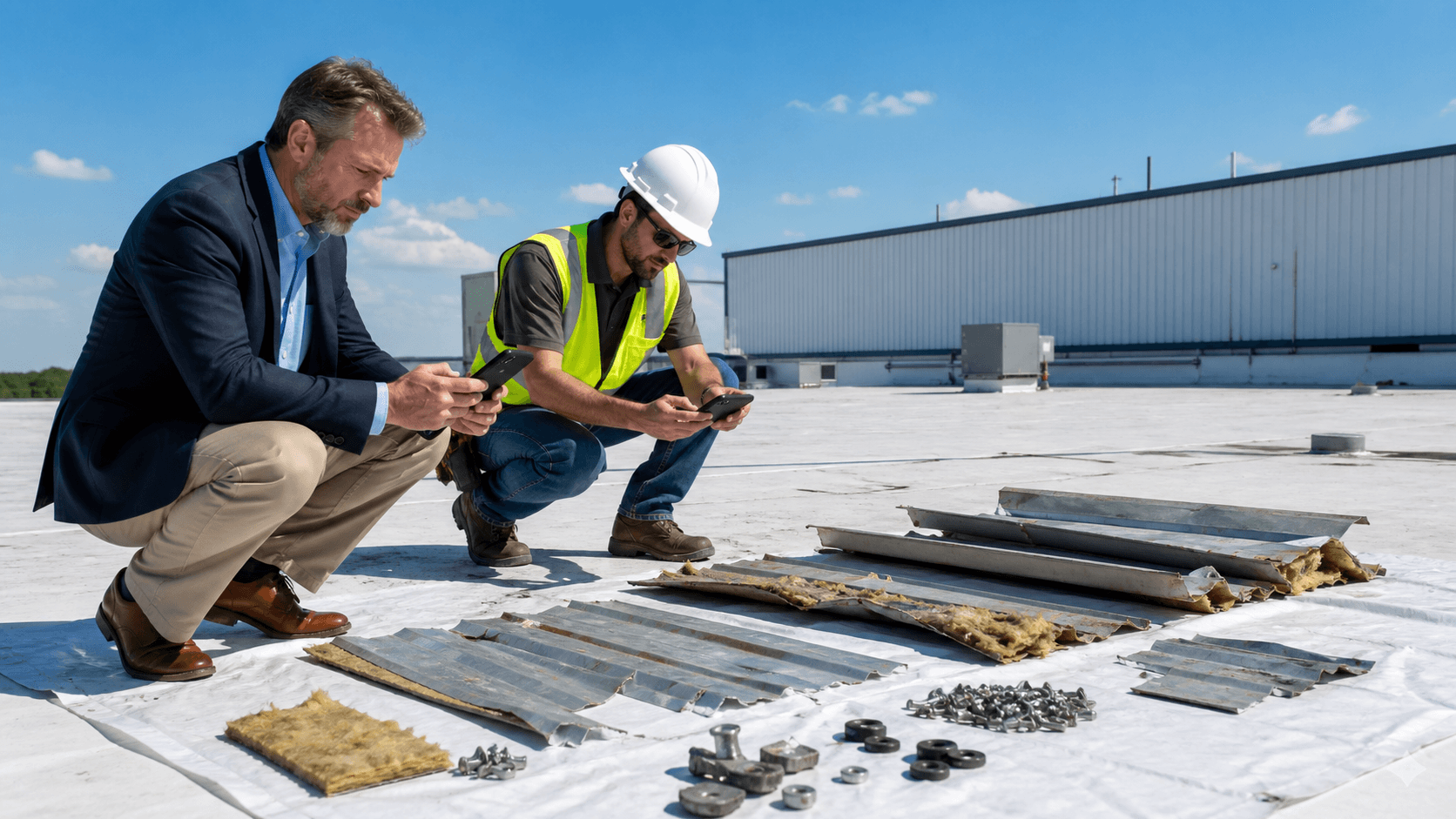
- Metal roofs, including panels, seams, fasteners, and coatings
- Skylights, rooftop HVAC units, and AC condenser coils
- EIFS, stucco, exterior signage, solar panels, and exterior glass
Insurers like to separate “cosmetic” from “functional” damage. They may say dents in a metal roof or impacts on an AC coil are only cosmetic. But policy language and case law do not always follow the carrier’s labels. If a system loses useful life, performance, or the ability to shed water and protect the building, that can be real covered damage, even if the building still looks mostly intact from the street.
Policy terms often change the analysis. You may see:
- Cosmetic roof endorsements that limit payment for certain surfaces
- Exclusions aimed at AC coils or light metal components
- Wind and hail deductibles based on a percentage of the property value
Those terms can have a large impact on a commercial hail damage insurance claim, but they do not excuse the carrier from adjusting the full loss that is actually covered. One of the biggest mistakes we see is failing to identify every affected component early. If an item is never mentioned, insurers later argue it was not part of the claim.
How Insurers Try to Minimize Commercial Hail Losses
In large Texas commercial claims, we often see the same patterns repeat. Carriers send an adjuster for a quick ladder inspection, walk a small portion of the roof, and call it done. Key items are overlooked, including:
- Hidden membrane damage on flat roofs
- Mechanical and rooftop equipment impacts
- Façade, stucco, EIFS, and glazing damage
- Interior damage triggered by hail-created openings
Causation disputes are common. Carrier engineers may blame leaks on age, installation defects, ponding water, or foot traffic, not hail. They may point to prior storms, or say the damage is within the manufacturer’s hail tolerance. Those arguments shrink the measured loss even when the real-world condition of the roof tells a different story.
On the pricing side, carriers often rely on cost databases that do not reflect local Texas labor and material costs for commercial work. They may:
- Omit code-required upgrades
- Substitute inferior materials or patchwork repairs
- Apply heavy depreciation or invoke cosmetic endorsements
- Use large wind-hail deductibles to push the net payment down
Delays also become a pressure tool. Slow inspections, piecemeal payments, and repeated requests for the same documents can push owners toward accepting less than full value just to move forward with repairs.
Building a Defensible Hail Damage Scope and Cost Model
For serious commercial losses, the strongest claims start with disciplined measurement. That usually means:
- Full-roof surveys, not just spot checks
- Test squares and slope-by-slope documentation
- Detailed photo and video records tied to date and location
- Interior inspections to connect leaks to roof or façade damage
Qualified experts make a difference. Roofing consultants, building envelope specialists, mechanical engineers, and experienced construction estimators can connect what the hail did to what must be replaced, repaired, or upgraded under current codes. On larger campuses or portfolios, this expert work also keeps the scope consistent from building to building.
Once scope is clear, it has to be translated into a cost model that holds up under scrutiny. A defensible estimate should include:
- Itemized line items, not lump sums
- Manufacturer-specific materials and assemblies
- Realistic labor rates for Texas commercial work
- General contractor overhead and profit where appropriate
- Documented code upgrades that are triggered by replacement
The gap between the insurer’s estimate and the policyholder’s estimate often becomes the heart of a disputed commercial hail claim. Missing scope items, unreasonably cheap pricing, and improper repair methods are all issues that can be framed clearly with the right measurement and documentation.
Key Metrics That Drive the Value of Your Claim
Certain numbers have an outsized impact on a commercial hail damage insurance claim. On the physical damage side, we pay attention to:
- Percentage of each roof area with functional hail damage
- Number and severity of strikes per test square
- Extent of coil fin damage on rooftop HVAC units
- Broken seals, chips, and cracks in windows and glazing
- Interior damage that can be tied to hail-created openings
Policy-driven numbers matter just as much. Your wind-hail deductible structure, whether it is a percent of the building limit or per occurrence, can shift the economics of repair versus replacement. Sublimits, actual cash value versus replacement cost timing, and any special hail endorsements all shape both interim and final payments.
Time is its own metric. How quickly you report the loss, how long the carrier takes to inspect and respond, and the length of any business interruption tied to roof replacement or unsafe conditions all affect overall recovery. With multiple buildings or locations, gathering these metrics in a consistent format puts the policyholder in a far stronger negotiating position.
Protecting Your Rights in a Disputed Texas Hail Claim
When a commercial hail claim feels underpaid, the steps you take next matter. Policyholders should consider:
- Requesting the full carrier estimate, engineering reports, and photographs
- Challenging broad “wear and tear” or “cosmetic only” conclusions that are unsupported by facts
- Keeping a written record of all communications, inspections, and delays
- Comparing the carrier’s scope to your experts’ scope line by line
Texas law includes prompt-payment rules and standards for fair claim handling. When an insurer unreasonably under-scopes, drags out the investigation, or leans on lowball estimates that ignore clear damage, that conduct can have legal consequences beyond the unpaid dollars.
There is a point where claim adjustment stops moving and the dispute becomes legal, not just factual. Persistent valuation gaps, refusal to recognize functional damage, dismissal of credible expert work, or a clear misreading of the policy all signal that it may be time for coverage counsel to step in. Lundquist Law Firm focuses on complex, high-value first-party property insurance disputes for policyholders only, including commercial hail, windstorm, hurricane, fire, smoke, and internal water loss claims. When the data says one thing and the insurer insists on another, methodical measurement is often your best leverage.
Protect Your Commercial Property Claim With Experienced Legal Help
If your business has suffered hail damage, our team at Lundquist Law Firm is ready to guide you through every step of your commercial hail damage insurance claim. We work to document your losses thoroughly, challenge lowball offers, and pursue the full compensation your policy allows. Reach out today so we can review your policy, assess your damage, and explain your options clearly. If you are ready to move forward, contact us for a consultation.