Spotting Bad Faith in the Wake of a Texas Tornado
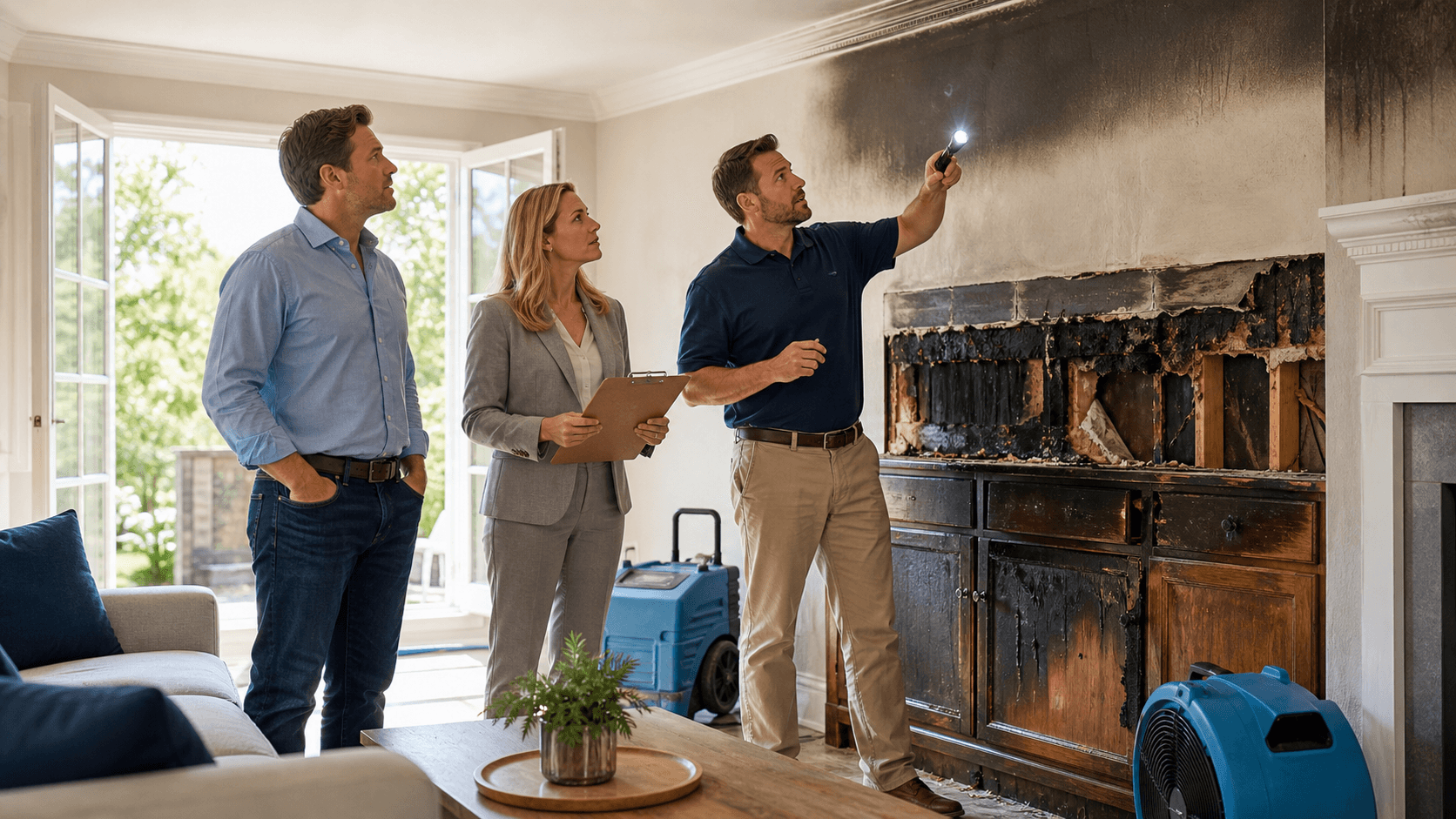
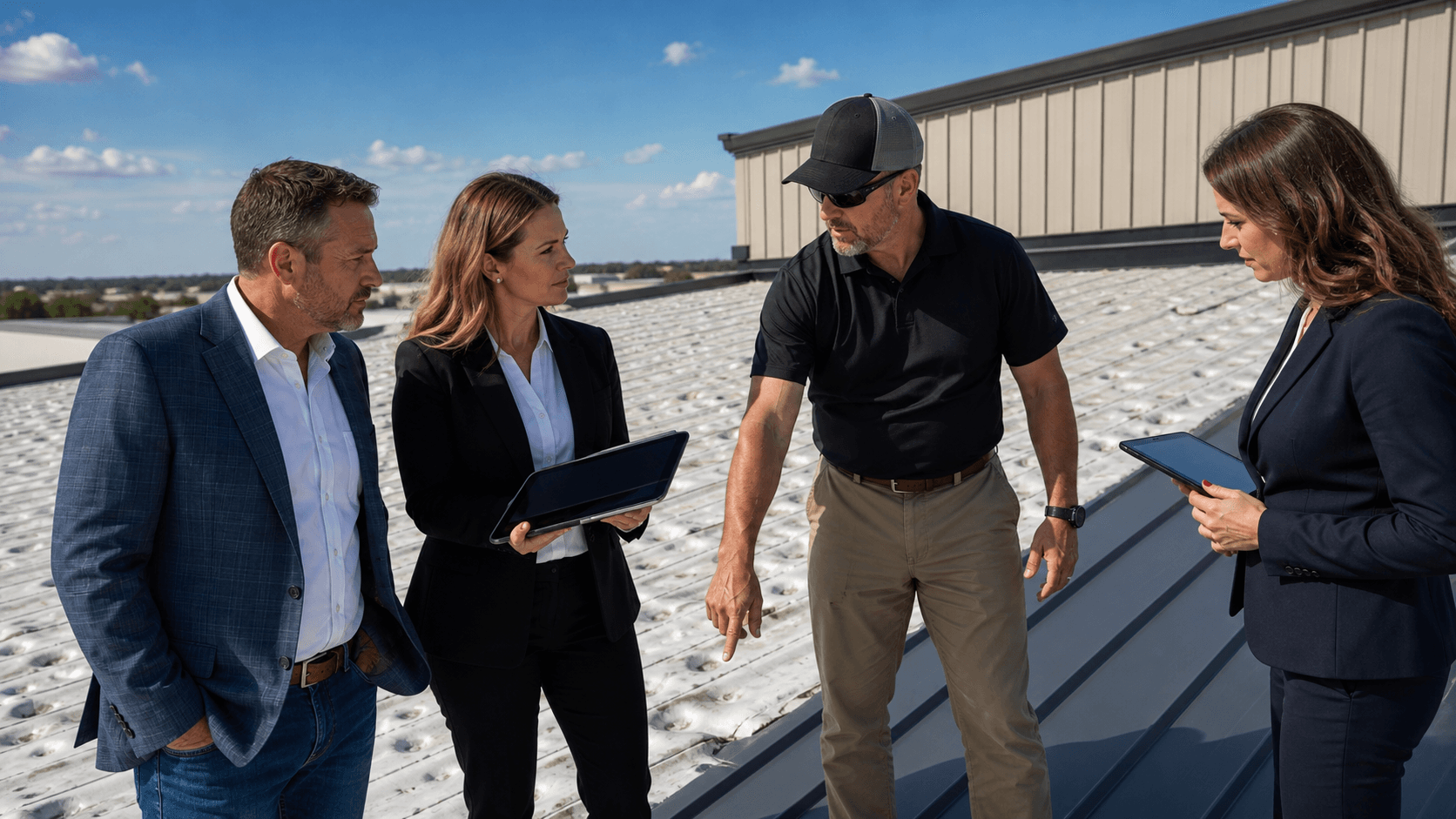
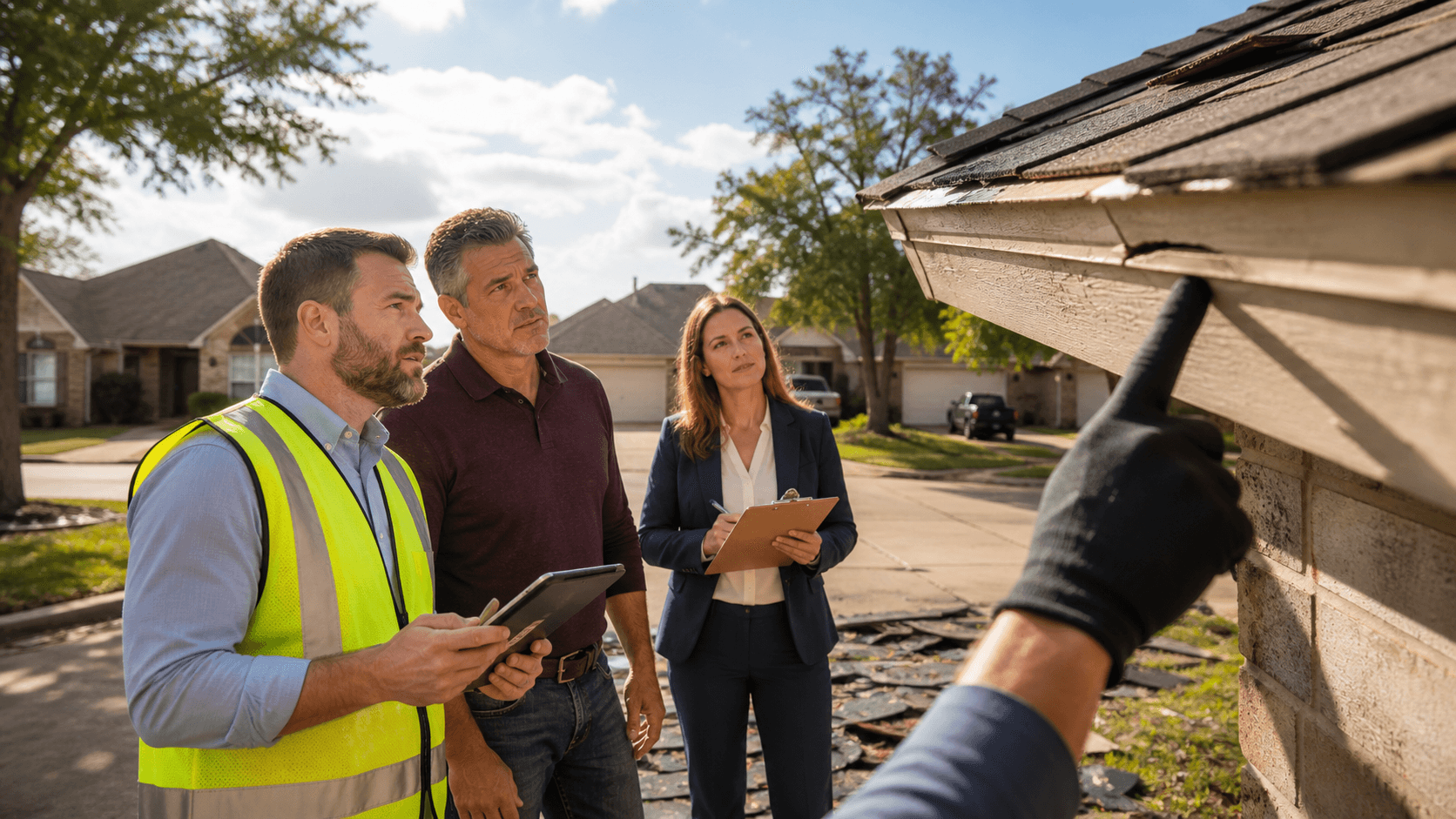
Tornado damage to a commercial property is rarely subtle. Roofs peel back, walls rack, windows fail, tenants complain, and operations get disrupted. What is often subtle is how an insurance carrier handles the claim, especially when the numbers start to climb and coverage questions start to matter.
Most sophisticated policyholders recognize obvious bad faith. A flat denial with no real explanation or a number that is clearly disconnected from the physical damage is hard to miss. In Texas tornado claims, though, carrier misconduct often shows up in quieter ways. It may look like a technical dispute about scope, a dense engineer report, or a procedural delay that never quite turns into an outright refusal to pay.
Tornado losses in Texas are especially exposed to these issues because of how storms actually hit our state. Systems move quickly, wind and hail overlap, and wide areas get damaged at once. Adjusters get stretched, complex roofs are inspected in a hurry, and causation on large commercial structures can get framed in a way that shrinks the loss. Small choices about how the claim is set up can turn a strong covered loss into a much smaller, heavily disputed claim.
In this article, we focus on those subtler forms of unfair claim handling and what commercial owners should watch for. We also explain when it makes sense to bring in a tornado damage insurance attorney in Texas to take a hard look at the file and the carrier's position.
How Texas Law Frames Good Faith Duties in Tornado Claims
Texas law puts clear duties on insurance companies handling first-party property claims. The carrier must act in good faith, which in plain terms means it has to:
- Conduct a reasonable investigation before denying or limiting benefits
- Fairly evaluate the facts it uncovers, not just the ones that favor a lower payment
- Promptly pay covered amounts once liability is reasonably clear
Texas statutes also address unfair settlement practices and prompt payment obligations. Those rules matter a lot in tornado disputes involving:
- Large commercial properties or campuses with multiple buildings
- Complex roof systems, such as layered or specialty membranes
- Claims that touch both property damage and business interruption
Bad faith is not simply a wrong coverage decision. A carrier can be wrong without acting in bad faith if the position is fairly debatable and the investigation is even-handed. The problem arises when the carrier:
- Cuts short its investigation or ignores obvious lines of inquiry
- Selectively leans on facts that reduce the claim while dismissing contrary evidence
- Hires experts who reliably produce carrier-friendly conclusions, then treats those opinions as gospel
In tornado claims, where site conditions change quickly and evidence can be lost, these choices are often outcome determinative. When a carrier has clear information supporting coverage but still clings to a narrow, underpaying theory, that is where bad faith analysis begins.
Subtle Claim-Handling Tactics That Erode Tornado Recovery
In our experience with Texas tornado claims, the most costly tactics are not usually loud. They show up quietly in the way the carrier scopes, prices, and schedules the claim.
Common examples include:
- Calling obvious functional roof damage "cosmetic only" to avoid full system replacement
- Focusing test cuts or inspection grids on less affected roof areas and skipping the worst-hit zones
- Ignoring ordinance or law and code upgrade coverage when repairs must be brought to current standards
Scope and pricing are another pressure point. Carriers sometimes:
- Use outdated pricing databases that do not reflect current labor and material realities
- Omit required temporary shoring, bracing, or weatherproofing from the estimate
- Treat mechanical, facade, and tenant build-out damage as minor punch list items
Timing and communication are a third area where subtle tactics show up. Red flags here include:
- Serial "requests for more information" that never seem to lead to a firm coverage position
- Rotating adjusters, so no one appears accountable for decisions
- "Informal" re-inspections that pause progress without moving the claim closer to payment
None of these steps, taken alone, may look like classic bad faith. Together, they can grind a high-value tornado claim down until the insured feels forced to accept a compromised number just to move on.
When Investigation Becomes Advocacy for the Carrier
An honest investigation asks "What really happened?" Advocacy for the carrier often sounds more like "How do we support the smallest possible loss?" The line between the two gets crossed more often than many commercial owners realize.
We see this in choices such as:
- Engaging "preferred" engineers who often find wear and tear or installation issues instead of storm damage
- Limiting site access, sampling, or testing so uncomfortable findings never make it into the report
- Framing the expert assignment narrowly, for example, "confirm whether any structural failure occurred," instead of "determine the full extent of storm damage"
Subtle evidentiary moves can also tilt the field:
- Emphasizing supposed pre-existing conditions with little or no pre-loss documentation
- Blaming damage on maintenance or age without a credible baseline for the building's prior condition
- Discounting contemporaneous photos, tenant reports, or contractor observations that point to tornado impact
On a large commercial file, these patterns add up. The written record may show that:
- The carrier had early access to information supporting broader coverage
- Contrary opinions or photographs were ignored or brushed aside
- Key decisions were made first, then supported later with hand-picked expert language
When that happens, the problem is not simply that the carrier disagreed with the policyholder. It is that the carrier built its position on a skewed investigation, which is exactly the type of conduct Texas bad faith and extra-contractual laws are designed to address.
Red Flags for Commercial Owners After a Texas Tornado
Sophisticated property owners in Texas do not need help spotting a completely frivolous denial. The harder question is whether a "technical" dispute is just a fair disagreement or a sign of something more serious.
Common red flags include:
- A rigid refusal to even discuss full roof replacement on complex systems with obvious storm impact
- Inconsistent positions on different properties in the same storm footprint in your own portfolio
- A major gap between the carrier's scope and the estimates from independent contractors and consultants
Claim handling behavior can also warrant closer review:
- Long periods of silence after you submit organized, detailed documentation
- Unexplained reversals following internal carrier meetings or "roundtables"
- New policy provisions suddenly cited late in the claim, after months of different explanations
- Attempts to split a single tornado loss into multiple "occurrences" to apply more than one deductible
When you start to see patterns like these, it is often time to involve a tornado damage insurance attorney in Texas who regularly audits claim files, challenges unreasonable positions, and evaluates whether bad faith or other extra-contractual remedies may be part of the strategy.
Strategic Steps to Protect a High-Value Tornado Claim
Commercial insureds have more power than they sometimes realize. The way you document and manage the claim can influence both the carrier's behavior and your legal options later.
Smart early steps include:
- Preserving building system data and monitoring logs where available
- Capturing clear photo and video evidence before major temporary repairs
- Bringing in qualified roofing, structural, and MEP experts early, not months into a dispute
- Centralizing all carrier communications through a small internal team
You should also track the claim handling record itself. That means:
- Keeping written summaries of each adjuster site visit and what was said
- Maintaining all versions of carrier estimates, not just the latest one
- Noting when the carrier's explanations change and asking for those changes in writing
- Formally responding when carrier positions are incomplete or inaccurate, instead of letting them stand
There is a point where claim management turns into legal strategy. Warning signs include:
- A huge gap in valuations that does not close even after you supply detailed support
- Repeated reliance on causation theories that do not match what you and your experts see on the ground
- A pattern of delay that is starting to affect tenants, lenders, or development timelines
In those situations, working with a tornado damage insurance attorney in Texas can shift the conversation from "claims handling preferences" to enforceable rights and remedies under Texas law.
Turning Subtle Bad Faith Into Leverage for Resolution
Sophisticated Texas policyholders should not wait for a formal denial letter to take bad faith seriously. Subtle choices about scope, pricing, experts, and timing can do just as much damage to your recovery as a direct "no."
The key is to think in terms of evidence, not emotion. A well-documented file, credible expert input, and a clear record of carrier decisions create leverage. Those materials can support negotiation, support litigation if needed, and in the right case, support targeted bad faith allegations that change how the carrier views the risk of staying on its current path.
For commercial and high-value residential policyholders facing contested tornado losses, early legal review is a business decision, not a last resort. A policyholder-only firm with deep carrier-side experience can help you see what is really happening in the claim file and decide how to respond in a way that protects both your property and your long-term interests.
Protect Your Tornado Claim and Secure the Compensation You Deserve
After a tornado, you should be focused on rebuilding, not fighting with your insurance company. At Lundquist Law Firm, we use our experience to help you understand your policy, document your losses, and push back against unfair delays or denials. If you need a dedicated tornado damage insurance attorney in Texas, we are ready to review your claim and explain your options. Reach out today to contact us and schedule a consultation.