Why Fire Losses in Mixed-Use Buildings Are Harder to Prove
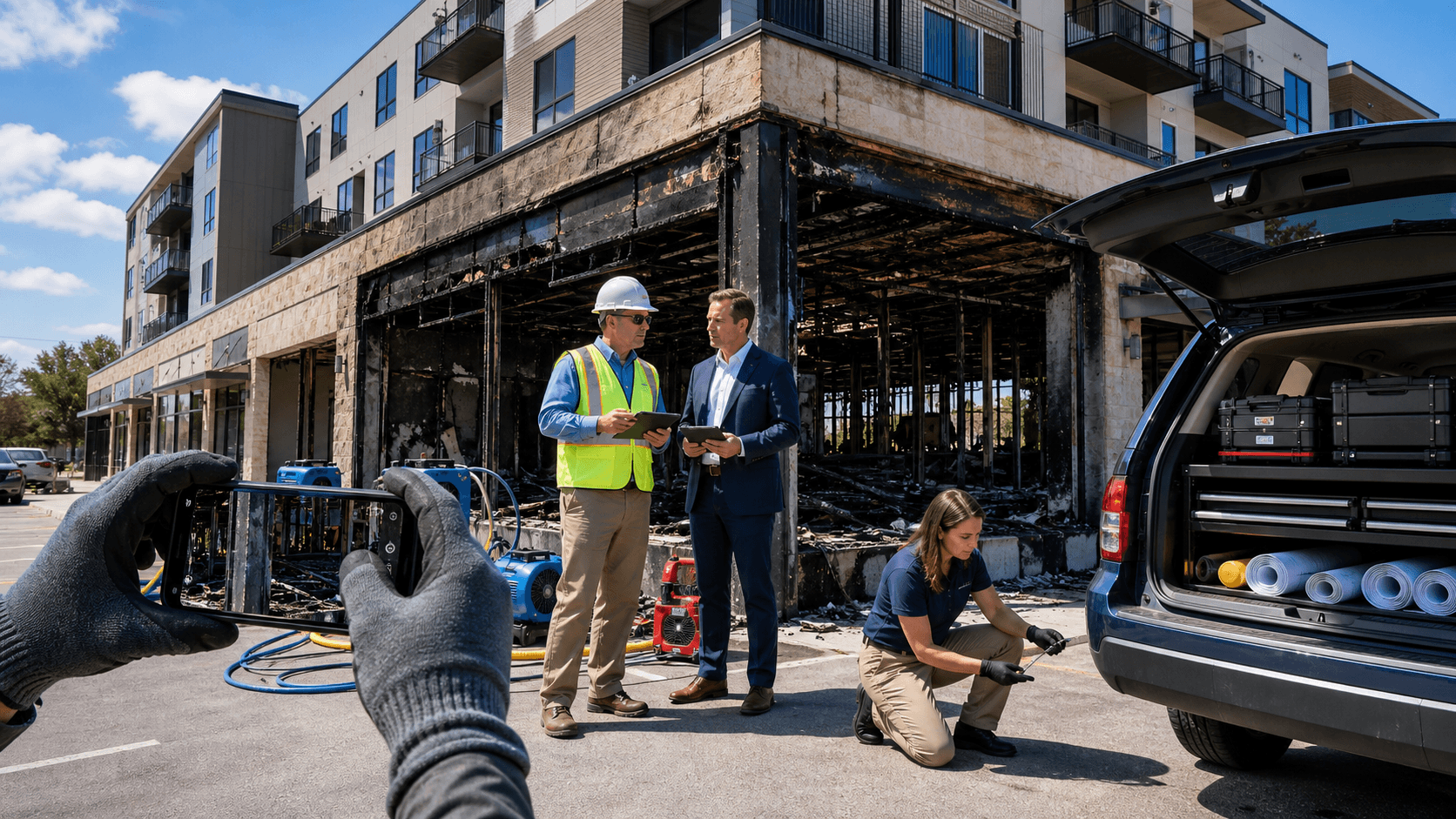
Fire losses in a mixed-use building are rarely simple. You are not just dealing with one business, one set of walls, and one policy. You are dealing with a stack of different uses under one roof, all sharing systems that do not burn or send smoke in neat, easy lines.
Mixed-use usually means some version of retail or office on the ground floor with apartments or condos above. It can also mean several commercial tenants in one structure, each with its own build-out, plus shared parking, elevators, and utilities. When fire hits, it can affect all of it at once.
In Texas, commercial policyholders and sophisticated residential owners in these assets often run into problems because the building's systems and responsibilities overlap. Intertwined electrical, HVAC, and sprinkler systems; overlapping tenant build-outs and improvements; coinsurance questions when values are not correctly reported; and multiple policies that all touch the same physical space can turn what looks like one event into several interconnected coverage disputes.
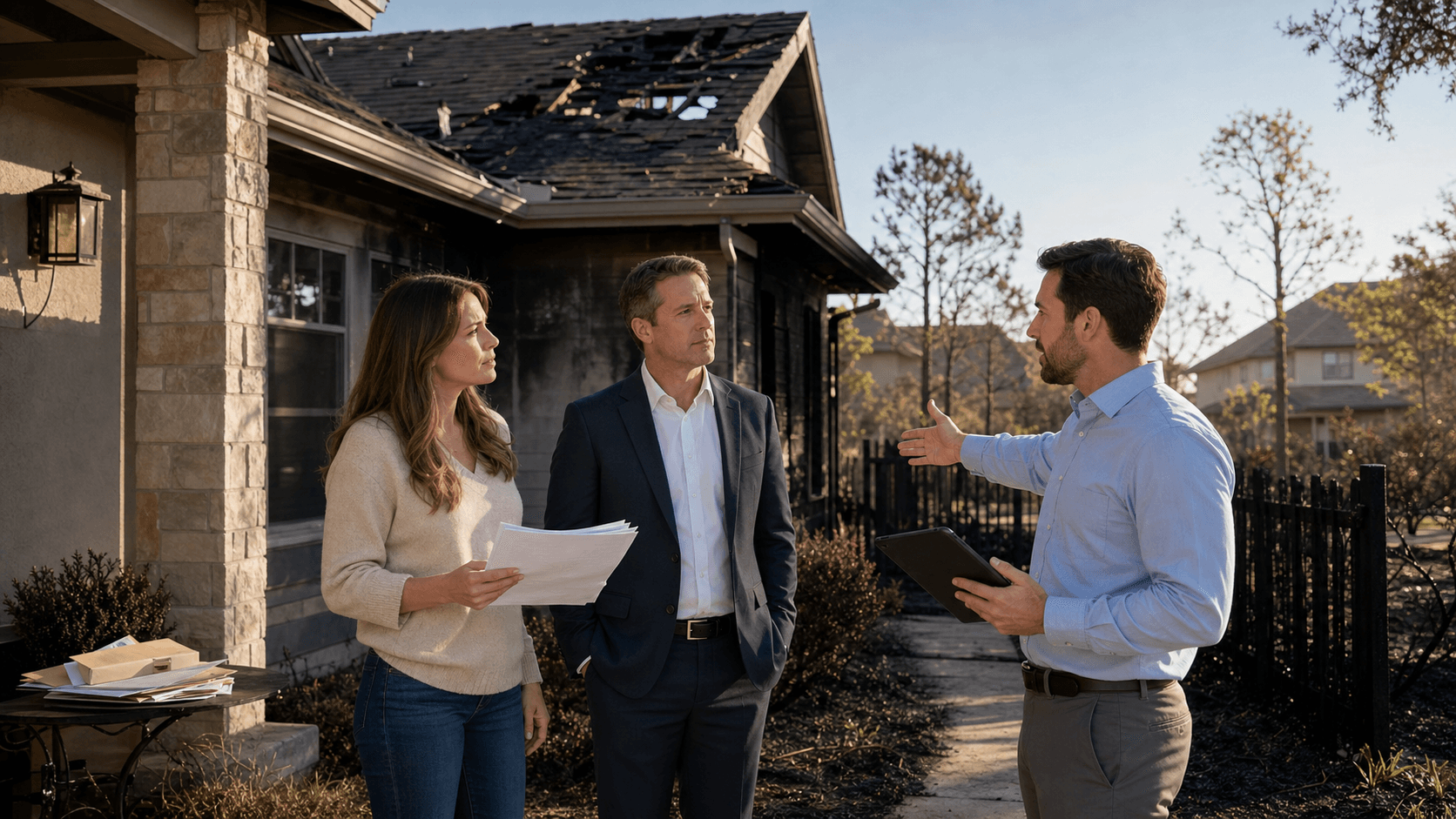
A serious mixed-use fire claim is not a simple set of forms and a handful of photos. How the claim is structured from day one often shapes whether the insurer pays fully, drags the file out, or quietly underpays large parts of the loss.
Mapping the Property: What Exactly Is Insured and by Whom
Before anyone talks about dollar amounts, you need a clear map of who insures what. In a Texas mixed-use property, there are usually several layers of coverage:
- A master commercial property policy for the building
- Commercial tenant policies for individual businesses
- Residential unit-owner or landlord policies
- Separate business interruption or extra expense coverage
The building owner may insure the shell, the structure, and common areas. Tenants often insure their own build-outs, equipment, and stock. Unit owners or landlords may carry coverage for interior finishes. All of this sits on top of shared items like:
- Hallways, lobbies, stairwells, and garages
- Roof systems, rooftop mechanical units, and signage
- Vertical penetrations like risers, shafts, and pipe chases
- Sprinklers, alarms, and other fire protection systems
Gaps and overlaps are common. One policy may say it covers betterments and improvements, while another excludes them. A lease might push responsibility for certain interior elements onto the tenant, but the tenant's policy might not match that language. Without a disciplined coverage map, it is easy to double-claim some items while leaving other damage unclaimed.
A smart early step is to chart the building like a grid: by floor, by space, and by system. Then match that grid to each policy. That process helps identify which carrier is tied to which part of the loss, avoid conflicts and finger-pointing between insurers, and anticipate subrogation claims that can stall payment.
Structuring the Claim: Segregating Fire, Smoke, and Water Impacts
Not all damage from a fire looks like charred beams. Texas insurers often focus only on the obvious burn area and ignore smoke and water that traveled far past the visible fire line. That is why separating the damage into clear categories is so important.
At a minimum, your fire claim should break out:
- Direct fire and heat damage
- Smoke and soot infiltration
- Water from sprinklers and firefighting
Insurers commonly try to shrink the claim by arguing that smoke and soot are only "cosmetic," so a quick wipe is enough; mechanical systems can be "treated" instead of replaced; water intrusion into walls, subfloors, and cavities is minor; or code-required replacement is an upgrade or betterment, not covered damage.
To counter this, the claim needs structure. That usually means separate spreadsheets and photo sets organized by:
- Damage type (fire, smoke, water)
- Location (commercial vs residential, common area vs leased space)
- Interest (building, tenant improvements, contents)
Each piece of damage should tie back to specific policy language, endorsements, and any code upgrade or ordinance or law coverage. In larger mixed-use fires, a commercial fire insurance claim lawyer in Texas will typically push for qualified experts, including:
- Cause and origin professionals to lock down how the fire started
- Industrial hygiene teams to test for smoke and soot spread
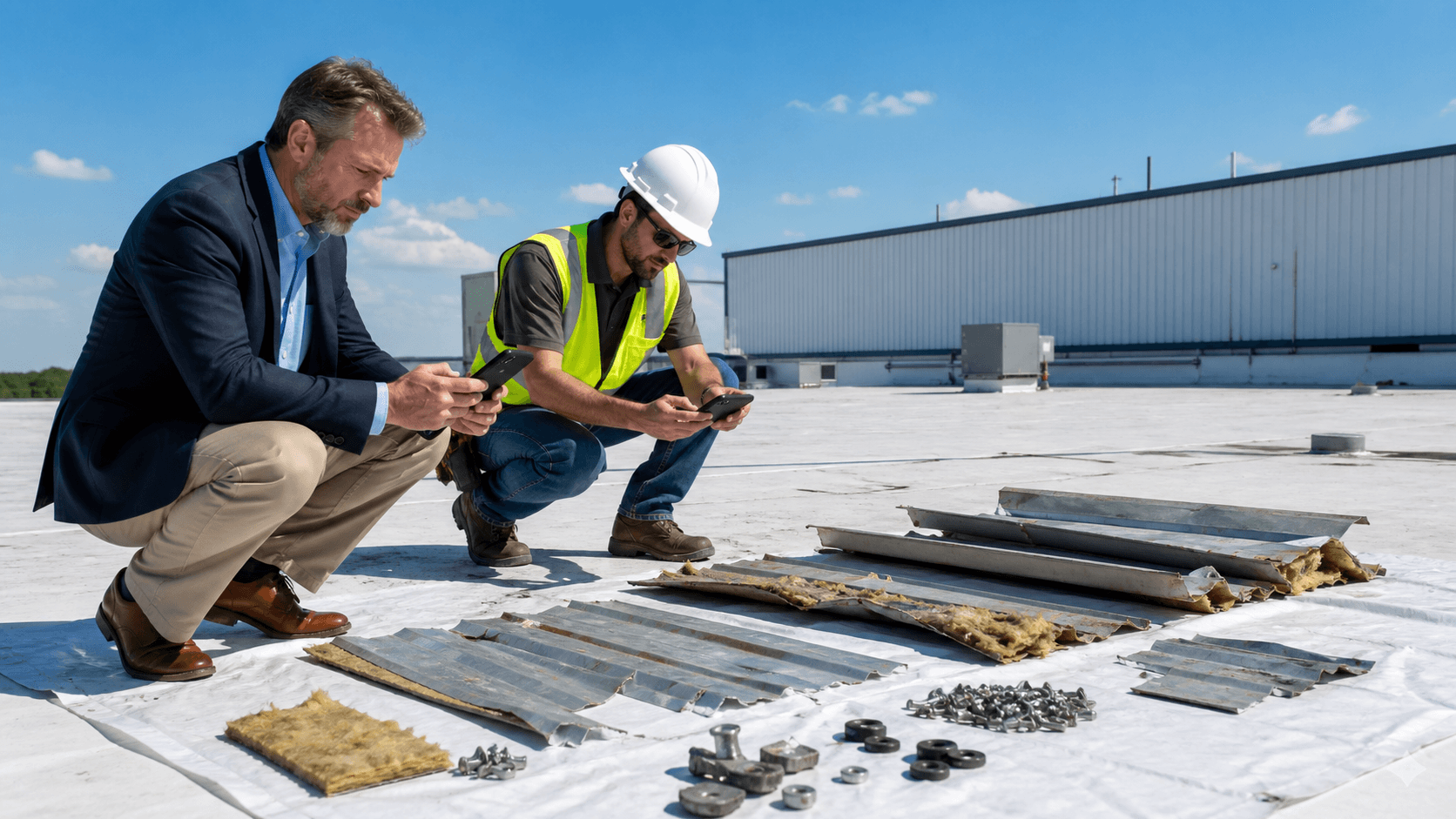
- Building envelope and structural experts to define what must be removed and replaced
The goal is to close off common insurer arguments before they take root.
Business Interruption and Habitability in Mixed-Use Fires
When a mixed-use building burns, it rarely knocks out just one income stream. A single event can stop several commercial operations and displace dozens of residents at the same time. Each of those issues often falls under a different policy and a different set of definitions.
For the commercial side, the questions usually center on:
- Business interruption coverage for lost income
- Extra expense coverage for temporary space or workarounds
- Shared utilities, entrances, and parking that block access
- Partial shutdowns where a portion of the building is off-limits
For residential portions, the problem is habitability. A unit might look fine at a glance but still be unlivable because of:
- Smoke odor and residue
- Moisture trapped in walls and floors
- Structural risks or open cavities from demolition
- Orders from the fire marshal or code officials
Insurers often say operations were not "necessarily" suspended or that a space was still "usable" even when the real-world answer is no. A seasoned commercial fire insurance claim lawyer in Texas will focus heavily on how "necessary suspension of operations" is defined, whether civil authority or ingress/egress coverage is triggered, and what counts as the true "period of restoration" for commercial and residential spaces. Getting the time element portion right can be just as important as the bricks and mortar.
Common Insurer Tactics in High-Value Texas Fire Claims
In high-value mixed-use fire claims, insurers often treat the event as a room-of-origin problem. If it did not burn in the main area, they act as if it is normal. Common tactics include:
- Limiting analysis to the burn room and a few adjacent spaces
- Sending in preferred vendors pushed to clean instead of replace
- Cutting back code upgrade costs and ordinance or law coverage
- Labeling long-term issues as pre-existing or due to poor maintenance
Older and mixed-use structures are especially exposed to arguments about prior renovations and whether they were done correctly, alleged deferred maintenance on roofs, plumbing, or electrical, and whether interior finishes and systems must be brought up to current code.
On top of that, delay itself becomes a strategy. Policyholders often see repeated re-inspections with new adjusters, piecemeal payments that never catch up to the real loss, and vague reservation of rights letters that keep coverage uncertain. These patterns can intersect with Texas bad faith and unfair claim-handling standards, especially in large commercial losses, but they need to be documented and addressed in a structured way.
When to Bring in a Texas Fire Insurance Coverage Team
There is a point in many mixed-use fire claims where trying to simply "work it out" with the carrier stops making sense. Common triggers include:
- Disputes over how the fire started or where it spread
- Significant business interruption across several tenants or uses
- Mixed-use ownership structures with multiple insureds and carriers
- Large deductibles or coinsurance that make valuation fights more intense
- Any denial, limitation, or low offer that conflicts with your own experts
A property-focused coverage team that represents policyholders only can step in to coordinate the right forensic and construction experts, structure and support detailed proofs of loss, challenge improper depreciation, exclusions, or scope cuts, prepare for and manage examinations under oath and document requests, and position the claim for litigation if the carrier will not pay what the policy requires.
For Texas owners and decision-makers with serious mixed-use fire losses, taking the time to structure the claim correctly and bring in the right commercial fire insurance claim lawyer in Texas can protect the value of the asset and the stability of the businesses and residents who depend on it.
Protect Your Business With Focused Fire Insurance Claim Support
At Lundquist Law Firm, we help business owners navigate complex fire insurance claims so they can focus on rebuilding operations. If your commercial property has suffered fire damage, our Commercial fire insurance claim lawyer in Texas can review your policy, gather critical documentation, and advocate for the compensation you are owed. Reach out today to discuss your situation and learn what options you have. You can also contact us to schedule a confidential consultation.