Commercial property owners in Texas see the same insurance claim problems repeat again and again. The loss changes, the building changes, but the denial language and carrier tactics look very familiar. That is not an accident. Insurers use repeat playbooks that shift somewhat by peril and by where you are in the claim process.
When we talk about a taxonomy, we mean a simple map: by loss type and by stage of claim, here is the tactic you are likely to face, and here is the counter‑evidence you should be building. We focus on first-party property claims only, for policyholders only, with an eye on higher value commercial claims and serious residential fire and internal water losses.
Why Denied Texas Property Claims Follow Predictable Patterns
Texas carriers do not improvise their way through a large property claim. They follow standard scripts that tie together inspection notes, estimates, engineer reports, recorded statements or EUOs, and reservation of rights letters.
Across hail, fire, pipe burst, and windstorm claims, the patterns repeat:
- Early minimization of damage
- Shift to causation and "wear and tear" themes
- Heavy reliance on one or two paid "experts"
- Broad policy quotations to keep every defense open
If you know what tends to come next, you do not have to chase the claim. You can build the record you need at each stage, so when the denial or underpayment letter lands, your file is ready for serious negotiation or litigation.
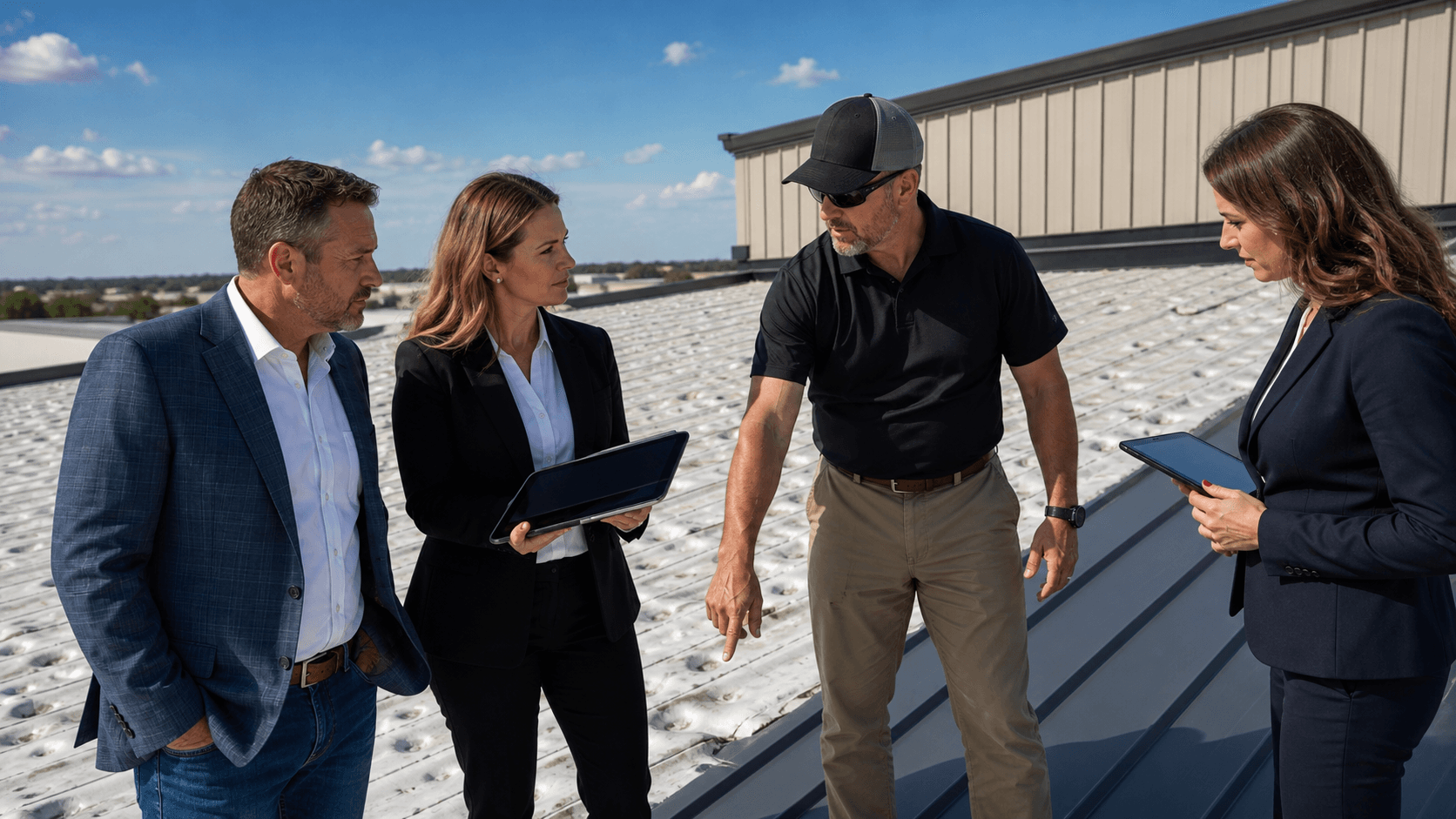
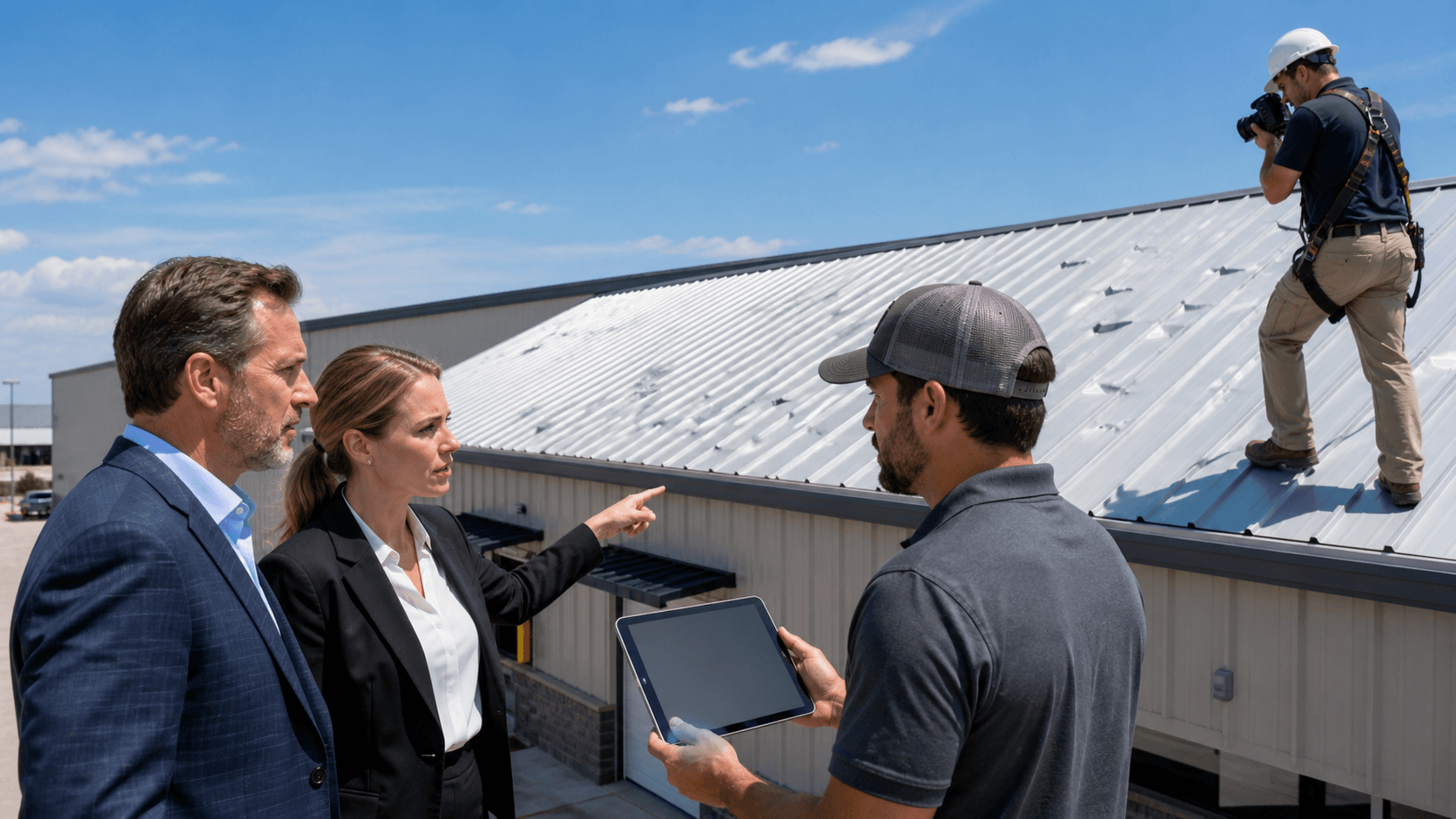
Hail and Wind Claims on Commercial Roofs
For Texas commercial roofs, the common setting is an older but working system, large areas, complex envelopes, and meaningful business interruption risk.
Typical carrier tactics by stage:
- Inspection: "No functional damage," "cosmetic only," quick drone passes, few photos, little interior checking.
- Estimate: Spot repairs only, undercounted squares, no code upgrades, missing related items like HVAC, flashings, cladding, and signage.
- Engineer report: Copy‑paste language blaming wear, installation defects, or prior storms, sometimes with limited or no meaningful site testing.
- EUO/recorded statement: Tight questioning on age, prior leaks, patch jobs, and maintenance to build "pre‑existing" and "lack of upkeep" defenses.
- Reservation of rights: Long lists of exclusions on wear and tear, prior damage, and cosmetic loss.
Counter‑evidence to build:
- At inspection: Your own roof consultant, slope‑by‑slope photos, hail swath and wind speed data tied to the date of loss, written leak reports from tenants or staff.
- At estimate: Detailed contractor estimate, code upgrade review, manufacturer letters showing repair limits and replacement needs, invoices for temporary dry‑in work.
- At engineer stage: Policyholder‑retained engineer, core samples, uplift tests where appropriate, photo and invoice history showing the roof was functioning before the storm.
- At EUO and rights letters: Organized maintenance records, prior inspection reports, and written corrections when the carrier misstates what your witnesses said.
On many high‑value roof files, an insurance coverage attorney for Texas policyholders is involved before the engineer is even assigned, so the evidence battle is framed early.
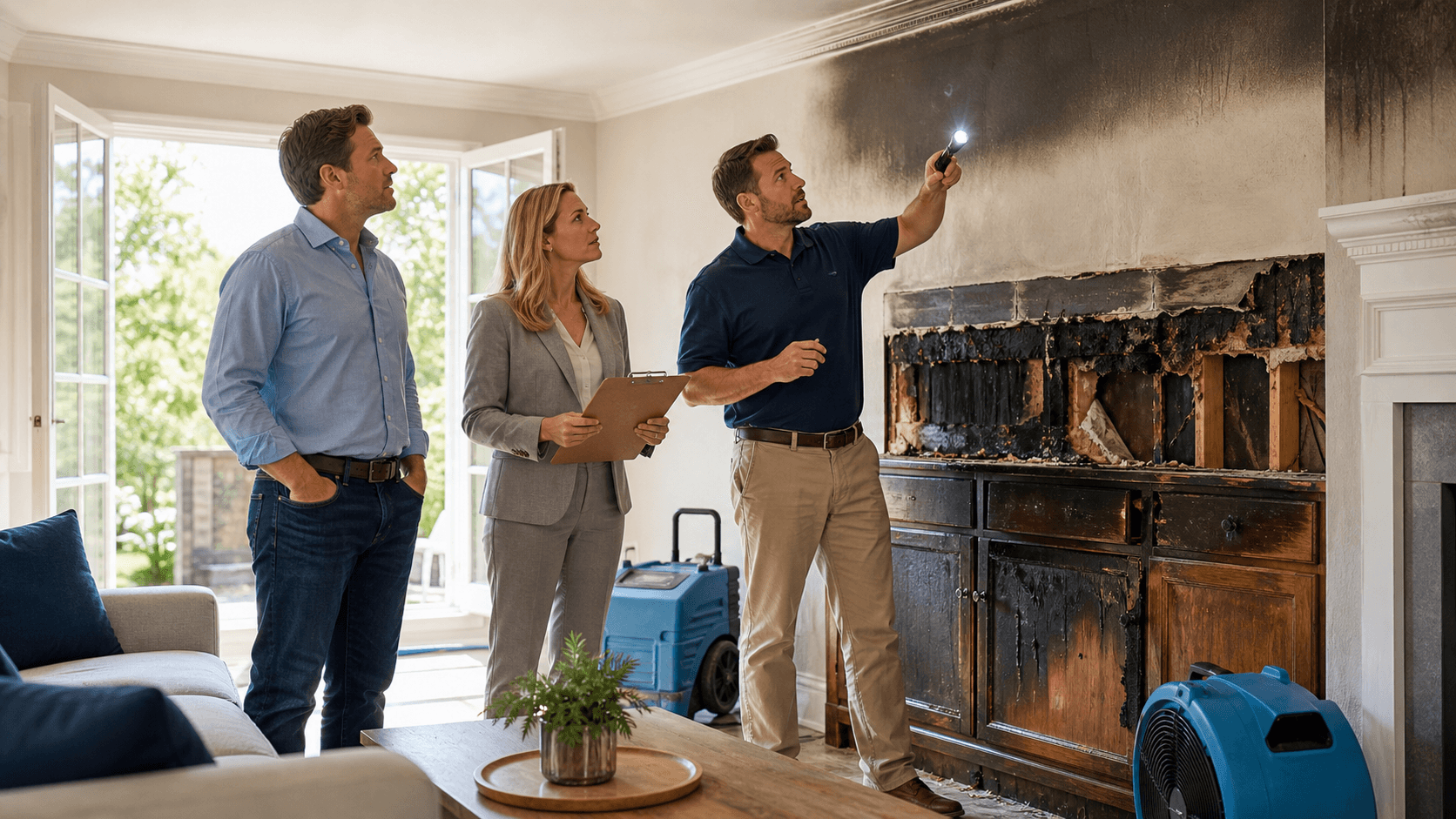
Fire and Smoke Losses for Commercial and High‑Value Homes
Fire and smoke losses turn on structure, systems, and contents. For commercial sites and higher‑end residences, there is often complex HVAC, electrical, production lines, or specialty finishes at stake.
Common insurer tactics:
- Inspection: Focus on blackened areas only, downplaying smoke, soot, and odor spread, skipping full HVAC and insulation checks.
- Estimate: "Clean and paint" where replacement is needed, heavy depreciation, low contents pricing, no code or professional cleaning allowances.
- Origin and cause or engineering: Attempts to shift fault to you, with talk of improper wiring, misuse of equipment, or code issues to set up exclusions.
- EUO/recorded statement: Deep questioning into finances, habits, and operations in serious loss cases to suggest motive for arson or fraud.
- Reservation of rights: Early citation of intentional loss, fraud, and misrepresentation clauses to justify delay and broad document demands.
Helpful counter‑evidence:
- Early stage: Full smoke testing, air quality reports, HVAC and duct scopes, pre‑loss photos, and inspection records showing systems were up to standard.
- Estimate stage: Third‑party contents inventory, restoration contractor scope, industrial hygienist findings, and code compliance cost summaries.
- Origin and cause stage: Independent origin and cause expert, electrical or mechanical engineer analysis, fire department records, and witness statements.
- EUO and rights letter stage: Organized financials and operations records, prior clean claim history if applicable, and a record of steady cooperation, not resistance.
In contested fire claims, especially near total losses, policyholder counsel often works behind the scenes before any EUO so the carrier cannot twist open‑ended answers into a fraud theory.
Pipe Burst and Internal Water Loss Strategies
Internal water losses include pipe bursts, failed plumbing, sprinkler discharges, and appliance or line failures inside the building. These events can touch structure, finishes, systems, and business operations.
Insurer patterns:
- Inspection: Limited moisture readings on exposed surfaces, resistance to opening walls or ceilings, quick labeling of staining as "long‑term seepage."
- Estimate: "Dry and paint," no replacement of saturated insulation, subfloor, or wall cavities, and avoidance of microbial issues as part of the covered event.
- Engineer or plumbing reports: Heavy use of "ongoing leak," "construction defect," or "failure to maintain" language, with little attention to timing evidence.
- EUO/recorded statement: Focus on exactly when you first saw water, any prior drips or stains, and occupancy patterns, to argue neglect.
- Reservation of rights: Repeated reliance on exclusions for repeated leakage, wear and tear, and failure to protect property.
Counter‑evidence to gather:
- Early phase: Time‑stamped photos and video from discovery through mitigation, daily moisture logs, plumber or mitigation notes calling the event "sudden and accidental," written tenant or staff reports.
- Estimate stage: Comprehensive mitigation invoices, drying logs, contractor scopes that include necessary demolition and rebuild, documentation of health or operational risks.
- Engineering stage: Independent plumbing and building experts, water and utility records showing normal use up to the event, maintenance records with no prior leak notes.
- EUO and rights stage: Clear timelines, written logs of mitigation steps, and internal emails confirming quick response.
Large commercial pipe burst claims with business interruption and contamination often benefit from counsel who can organize evidence before the carrier locks into a "long‑term leak" story.
Windstorm and Major Weather Claims in Coastal Texas
For coastal Texas commercial owners, significant windstorm claims can strain every part of the policy at once. You may have multiple sites, overlapping wind-related issues, and large extra expense and business interruption components.
Insurer tactics by stage:
- Inspection: Fast team visits, different adjusters on different buildings, little attic or interior work, frequent "no opening in the building" conclusions.
- Estimate: Narrow scopes that treat each component in isolation and leave out the full roof‑envelope‑interior‑mechanical picture, with short repair timelines.
- Engineer reports: Template reports blaming wear, prior storms, or construction defects, and repeating "no covered opening" despite clear routes of wind-driven water inside the building.
- EUO/recorded statement: Detailed questions on storm timeline, staffing and operations, and how property damage, business interruption, and extra expense coverage interact.
- Reservation of rights: Broad reservations on causation, policy sublimits, concurrent causation, and separate deductibles for different locations or coverages.
Counter‑evidence and portfolio strategy:
- At inspection: Standardized photo and video protocols at all locations, on‑roof and drone inspections, clear documentation of openings and interior water routes, storm data that ties local winds to your sites.
- Estimate stage: A master matrix listing damage by property and by system, realistic reconstruction schedules, and business interruption calculations grounded in sales, occupancy, production, or rent records.
- Engineer stage: Portfolio‑level engineering that shows consistent damage patterns across sites, peer review of carrier reports, and detailed analysis of building envelope performance.
- EUO and rights stage: Coordinated testimony from corporate representatives, organized financial and operations records, and careful legal review of policy language before agreeing to the carrier's causation or sublimit theories.
In late summer, when Gulf weather becomes more active and storm tracks start to form, sophisticated coastal owners are often best served by having that evidence and counsel plan ready before the first adjuster sets foot on the property.
Use This Taxonomy to Control the Claim, Not Chase It
When you understand how hail, fire, pipe burst, and windstorm claims are usually handled, you can plan your evidence by stage. You know the inspection will be narrow, so you prepare your own inspection. You know the estimate will be light, so you line up serious scopes. You expect engineer reports to lean toward wear and defect arguments, so you have your own experts ready and your maintenance history in order.
At some point, internal risk management and consultants are not enough. Complex commercial roofs, major fire losses, multi‑site coastal portfolios, and high‑value internal water claims with real business interruption exposure often require policyholder‑side counsel. Texas-based policyholder counsel focused on first‑party property disputes can help align inspections, estimates, engineering, EUO preparation, and reservation of rights responses, so the file is built for the dispute you actually have, not the one the carrier prefers.
Protect Your Rights And Move Your Claim Forward
If your insurance company is delaying, underpaying, or denying your fire damage claim, Lundquist Law Firm is ready to help you push back. Speak with an experienced insurance claim denial lawyer in Texas who can review your policy, explain your options, and fight for the compensation you are owed. We will walk you through each step, from gathering evidence to negotiating with the insurer or taking your case to court when necessary. To get started, simply contact us for a consultation.