When Your Texas Property Claim Goes Quiet
A large commercial property loss can shake your entire business. You report the hail, wind, tornado, hurricane, fire, or internal water damage; you open a claim; you expect movement. Instead, months go by and all you hear is silence or a vague "we are still reviewing." That quiet can be just as damaging as the storm itself.
Those delays hit real numbers, not just patience. Rent rolls slip, loan covenants get tight, vendors and contractors want to be paid, payroll still runs, and temporary repairs keep adding up. In Texas, commercial property damage claims are not supposed to sit in limbo with no clear path to payment. Extended silence and vague status updates can be warning signs under your policy and under Texas law.
We are going to walk through how commercial property damage claims usually move, how they stall, what that means for your business and your legal position, what you can do to get leverage, and when it makes sense to bring in a law firm that focuses on first-party property insurance for significant Texas losses.
How Commercial Property Claims Typically Move Forward
When a major loss happens, there is a basic claim rhythm that should start quickly and keep going. In a normal commercial claim, you should see a prompt notice to the carrier, acknowledgment of the claim with a claim number, one or more site inspections, and then requests for documents and information that lead into coverage analysis and a clear position. Ultimately, the process should end in payment or a defined dispute, not a black hole.
Under common Texas rules and typical policy language, there are also expectations for timing. Insurers are generally expected to acknowledge notice of a claim in a timely way, move with reasonable speed in starting and finishing the investigation, and make prompt payment after the insurer decides the claim is owed. Those timeframes are not always short, especially for complex commercial property damage claims, but the claim should feel active: phone calls are returned, inspections are scheduled, questions are clear, and you see actual movement instead of vague promises.
Commercial losses often include special issues that can complicate the claim and require more coordination, including:
- Multiple buildings or locations on one policy
- Code upgrades and ordinance or law coverage questions
- Tenant improvements and who owns what part of the build-out
- Specialty equipment, production lines, or custom systems
- Business interruption and extra expense, including rent loss
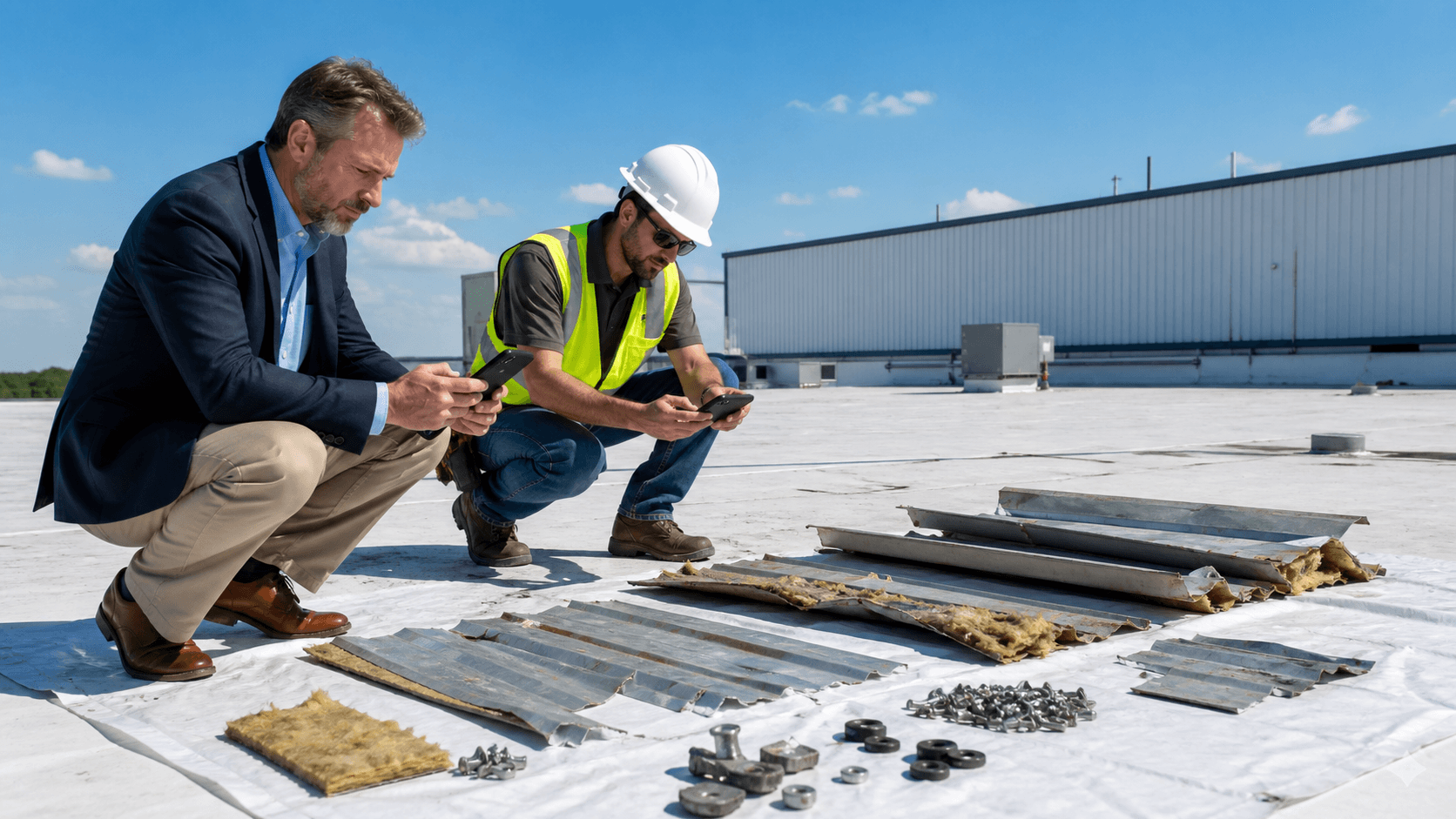
On the carrier side, you may meet a desk adjuster, field adjuster, engineers, building consultants, and accountants. In a properly handled claim, those people move the file toward a decision. They are not supposed to be the reason the claim sits untouched for months.
Common Ways Insurers Stall High-Value Property Claims
When a claim stalls, it rarely happens in a single day. It usually develops through patterns of delay that start to repeat. Some of the most common patterns policyholders see include endless document requests with no clear finish line, months of "we are waiting on engineering" without any report being shared, frequent adjuster changes that effectively "reset" the file, extended silence after you give everything asked for, and small or partial payments with no clear explanation of what is still disputed.
On the coverage side, insurers often point to certain issues that can be used to slow things down, such as:
- Alleged pre-existing damage or wear and tear
- Prior hail events the carrier says caused the roof damage instead
- Claimed construction or design defects as a reason not to pay
- "No covered plumbing leak" even when there is obvious pipe burst or sprinkler failure
On the pricing and scope side, commercial policyholders regularly face pushback on:
- Full replacement of commercial roof systems
- Interior build-outs, including high-end finishes and tenant spaces
- Mechanical, electrical, and plumbing systems
- Code upgrades required by local authorities
- Business interruption and rent loss, with delays blamed on "still analyzing your financials"
These patterns matter legally. When an insurer has enough information to pay at least the undisputed amount, but chooses delay, that can raise questions under Texas prompt payment rules or unfair claim handling standards. The longer these patterns go on, the more serious those questions become.
Financial and Legal Risks of Letting a Claim Stall
A stalled claim is not just annoying, it is dangerous for your business. Every extra month can mean:
- Extended downtime for units or whole buildings
- Lost tenants or buyers who will not wait for repairs
- Strain with lenders and investors
- Ongoing temporary fixes that are never reimbursed in full
- Pressure on cash flow and credit lines
There are also practical problems that weaken your position over time. As the claim drags on, physical evidence may be repaired, replaced, or discarded; contractors who saw the original damage may move on; internal staff who handled early stages may leave or change roles; and key emails, photos, and documents may become hard to find.
For business interruption and extra expense coverage, delay can reduce recovery. Insurers may argue the "period of restoration" ended earlier, or that later revenue drops were caused by market conditions, not the loss. The slower the claim, the easier it is for the carrier to draw those lines.
On top of that, policies and Texas law may include suit limitation clauses that shorten the time you have to file suit, strict notice and proof of loss requirements, and statutory timing rules that keep running even while you are told to "just wait." When you let a stalled claim sit without a clear strategy, you risk waking up to learn that important rights are already gone.
Practical Steps When Your Claim Stops Moving
When you start to feel that your commercial property damage claim is stuck, you need to tighten your process on your side. A few key internal steps help:
- Centralize all claim communications in one place
- Designate a single point person inside your company
- Organize inspection photos, videos, and reports
- Gather leases, rent rolls, loan documents, and financials tied to the loss
Then, raise the level of communication with the carrier. Instead of more phone calls that go nowhere, move to clear, written requests that:
- Ask for a specific status and decision timeline
- Request a list of everything the carrier still needs, in writing
- Seek an explanation for each outstanding issue and what must happen to resolve it
It can also be helpful to bring in policyholder-side experts to support the claim file and answer the insurer's technical pushback, such as:
- Qualified commercial contractors for scope and pricing
- Engineers to address causation claims or structural issues
- Forensic accountants to model lost income and extra expense
Well-prepared reports from your side can make it harder for the insurer to ignore the claim or keep things vague. As you do this, document every delay so you can show exactly what happened and when, including:
- Dates of calls, emails, and letters
- Missed or moved inspections
- Repeated or conflicting requests
- Long periods of silence
That record can later support claims for statutory interest, attorneys' fees, or other remedies, if the claim ends up in litigation.
When to Involve a Texas Property Insurance Attorney
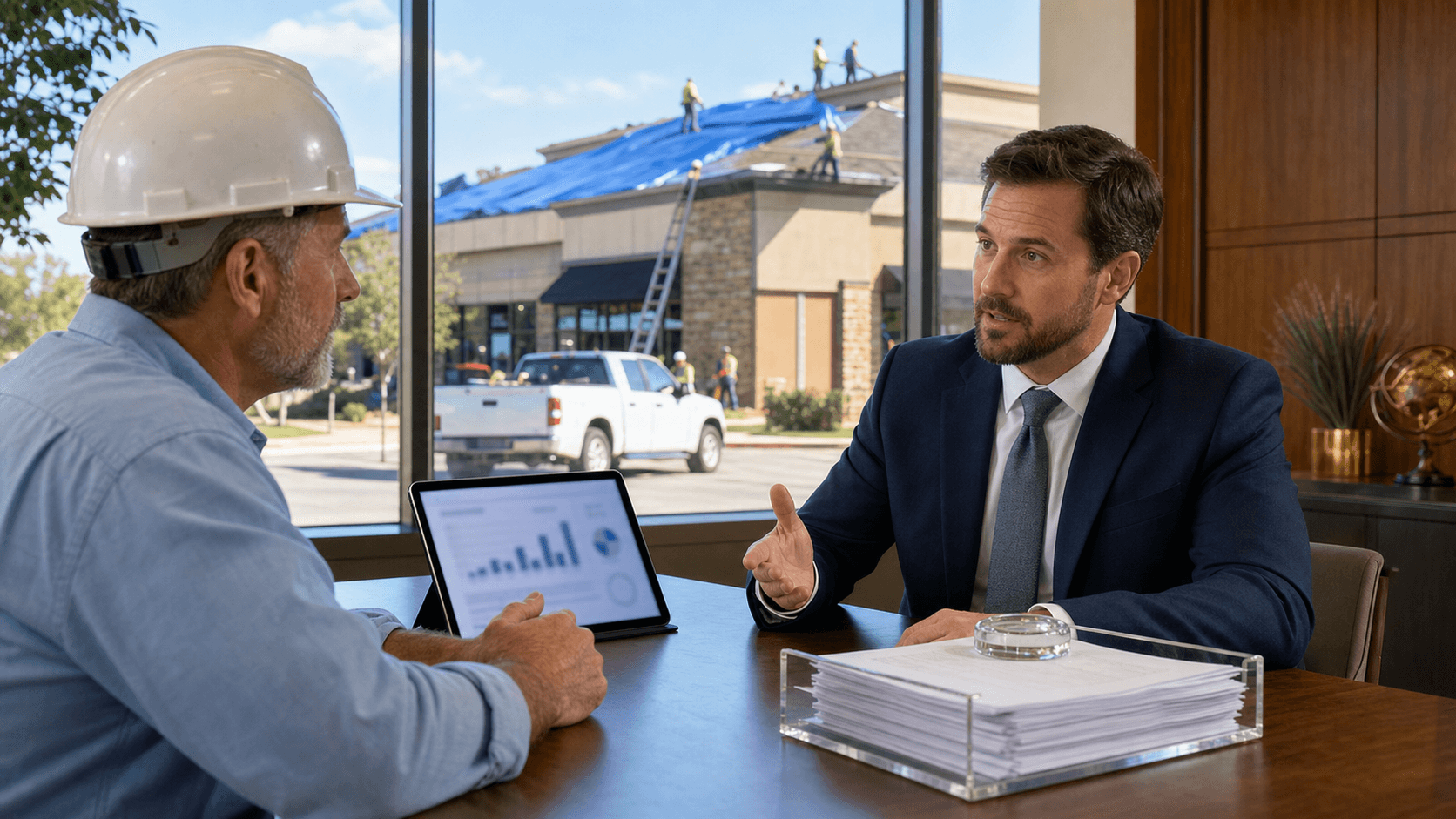
There is no single "right day" to bring in a lawyer, but there are clear warning signs that sophisticated commercial policyholders should treat as triggers, such as:
- Repeated non-responses or generic "we are still reviewing" messages
- Multiple re-inspections with no clear purpose or progress
- Obvious underpayment on major building components, like a full roof system
- Aggressive coverage positions that attempt to carve out large parts of the loss
A first-party property insurance firm that focuses on policyholders will typically:
- Review your policy, endorsements, and any limitation clauses
- Analyze coverage, valuation, and timing issues
- Work with engineers, contractors, and accountants who can back your claim
- Build a litigation strategy that matches the size of the loss and your business needs
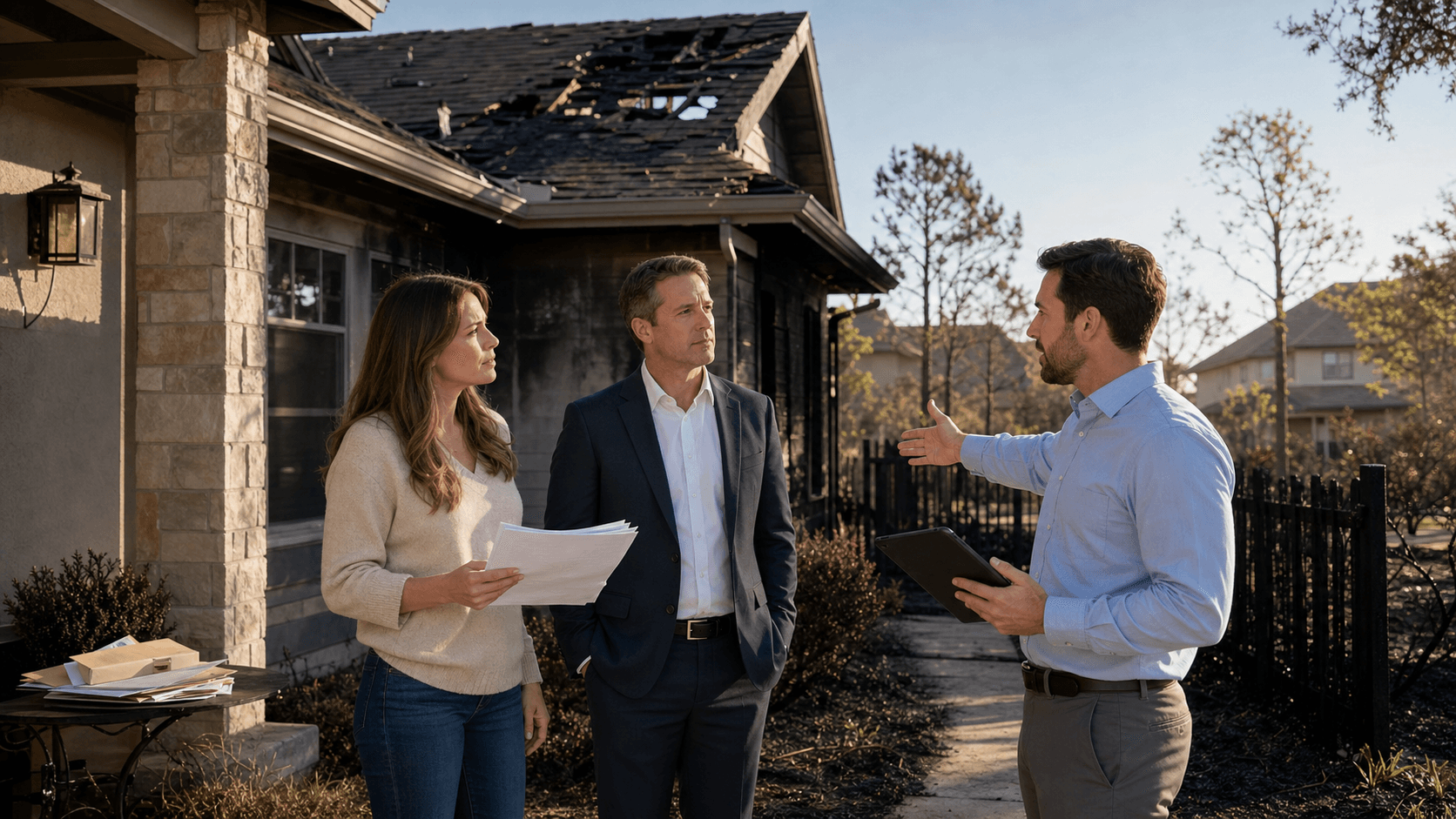
While this discussion focuses on commercial property damage claims, the same problems show up in serious residential losses, especially large fire or internal water claims where a home also serves as a major investment or rental property.
Lundquist Law Firm is a Texas-based property insurance litigation firm that represents policyholders only, not insurance companies. Our focus is on substantial, contested first-party commercial and serious residential property damage disputes where the normal claim process has broken down and delay, denial, or underpayment has become part of the problem, not the solution.
Turning a Stalled Claim Into a Strategic Decision Point
When your commercial property damage claim stalls, you reach a fork in the road. You can keep pushing administratively, you can escalate with legal counsel, or you can make a deliberate choice to move toward litigation. The right path depends on claim size, business impact, carrier conduct, and where you are in your policy and statutory timelines.
The key is to stop hoping the claim will fix itself "next month" and start treating the delay as a strategic moment. Look hard at the evidence you have, the deadlines that apply, the financial pressure points inside your business, and the pattern you are seeing from the insurer. For Texas property owners, landlords, developers, and decision-makers facing substantial commercial or serious residential losses, that shift in mindset can be the point where value stops leaking away to delay and starts moving back toward your balance sheet.
Protect Your Commercial Property Rights Today
If your business has suffered building or inventory damage, Lundquist Law Firm is ready to help you pursue fair recovery for your losses. Our experienced team handles complex commercial property damage claims and fights to hold insurers to the terms of their policies. Reach out so we can review your situation, explain your options, and develop a strategy tailored to your business. To schedule a consultation, please contact us today.