When Hail Claims on Texas Commercial Roofs Go Sideways
Hail on a commercial roof is not just a maintenance line item. For many Texas owners, it is a seven- or eight-figure risk event that hits asset value, tenant relationships, and long-term plans for the property. The surprise for many sophisticated policyholders comes later, when a commercial hail damage insurance claim that seemed straightforward at first suddenly stalls with shifting explanations and thin reports.
We see the same pattern across larger roofs and portfolios. The insurer sends an adjuster who agrees there is hail damage and writes some scope. Then an "engineering re-inspection" appears. The story slowly changes to "mostly maintenance," "cosmetic only," and "wear and tear." Months pass, the roof is not fixed, and the claim sits in limbo.
This is not random. It is a set of tactics. Here, we will break down three of the big ones: engineering re-inspections, scope creep on maintenance versus hail, and cosmetic and wear and tear exclusions. Then we will discuss how targeted documentation, careful use of dispute options, and Texas prompt payment law can help break the logjam.
How Engineering Re-Inspections Are Used to Reset Your Claim
A common pattern on Texas commercial hail losses looks like this:
- Initial field inspection by an adjuster
- Agreement that there is some hail impact
- Preliminary scope with measurable damage
- Then, weeks or months later, an engineer is sent to "take another look"
The second visit is rarely neutral. The engineer often focuses on narrowing causation. Reports tend to stress "functional" versus "cosmetic" damage. They point to "age," "installation issues," or "manufacturing anomalies" on roof systems that have performed well for years.
Typical themes we see in these reports include:
- Saying dents or bruises are "cosmetic only" without testing
- Calling obvious impact marks "age-related" or "foot traffic"
- Suggesting a few localized repairs instead of full system replacement
- Blaming prior storms or long-term "deferred maintenance" without tying that to specific proof
In Texas, carriers then use these engineering opinions to rewrite the file. The early adjustment that recognized hail impact gets sidelined. Internal notes start to reference "conflicting information" and "ongoing investigation." That can become the excuse for delay and for a much smaller estimate.
There are ways to respond:
- Retain your own qualified engineer or roofing consultant before the carrier's narrative hardens
- Keep a tight chronology of every inspection, every changed opinion, and every revised estimate
- Compare the engineer's photos and methods to what was actually on the roof, and flag gaps
The key is to understand that an engineering re-inspection may be part of a claim strategy, not a neutral fresh start.
Separating Hail Damage From Maintenance and Roof Aging
On larger commercial roofs, insurers often try to roll true hail impact into a broad "maintenance" story. The language is familiar: granule loss, "blistering," "craze cracking," ponding, prior patches, and general aging.
This hits complex systems hardest, including:
- TPO and PVC single-ply membranes
- Modified bitumen and built-up roofs
- Large metal roof systems with panels and seams
- Mixed roofs on campuses and portfolios
The more complex the roof, the more room there is for scope creep. Small conditions that were never a problem suddenly become the main explanation. Hail gets pushed to the background. The carrier may then argue for scattered repairs, even where the pattern of impact is broad and consistent across the field.
Commercial owners can protect themselves with focused groundwork:
- Pre-loss baselines: inspection reports, condition surveys, and photos taken before the storm
- Maintenance logs: work orders, vendor invoices, and cleaning or coating records
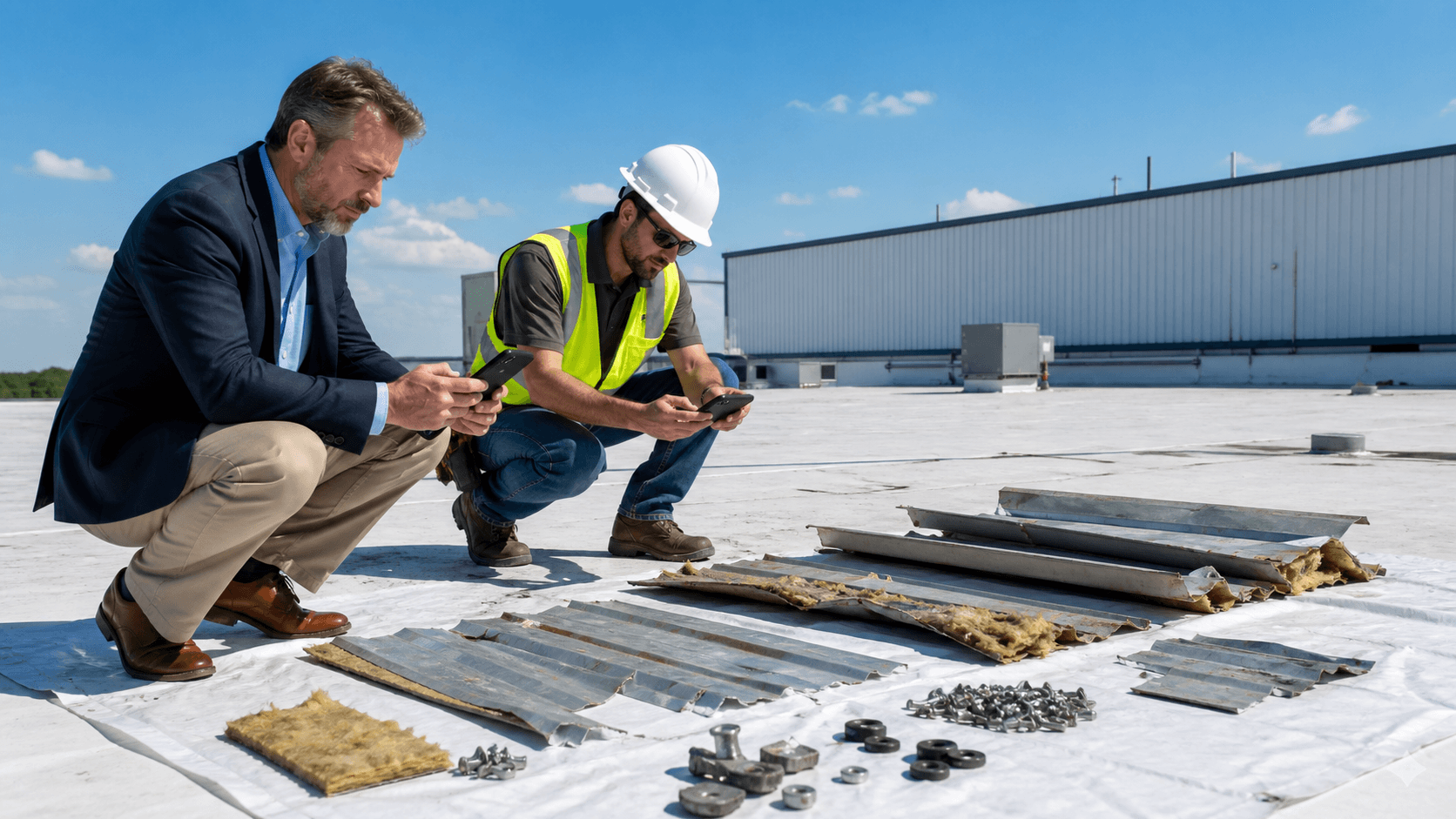
- Post-loss evidence: clear photos of impacts, test cuts, core samples, uplift tests, and moisture scans
A straight, documented story matters. If you can show the roof was in serviceable condition before the date of loss, and then show specific changes tied to that storm, it becomes harder for the carrier to wave a hand at "years of neglect."
Working with your own roofing consultant or engineer helps as well. A credible policyholder expert can walk through each condition and separate normal aging from new, storm-driven damage. That often is what moves a commercial hail claim out of the "all maintenance" dead zone.
Cosmetic, Wear and Tear, and Matching Battles in Roof Claims
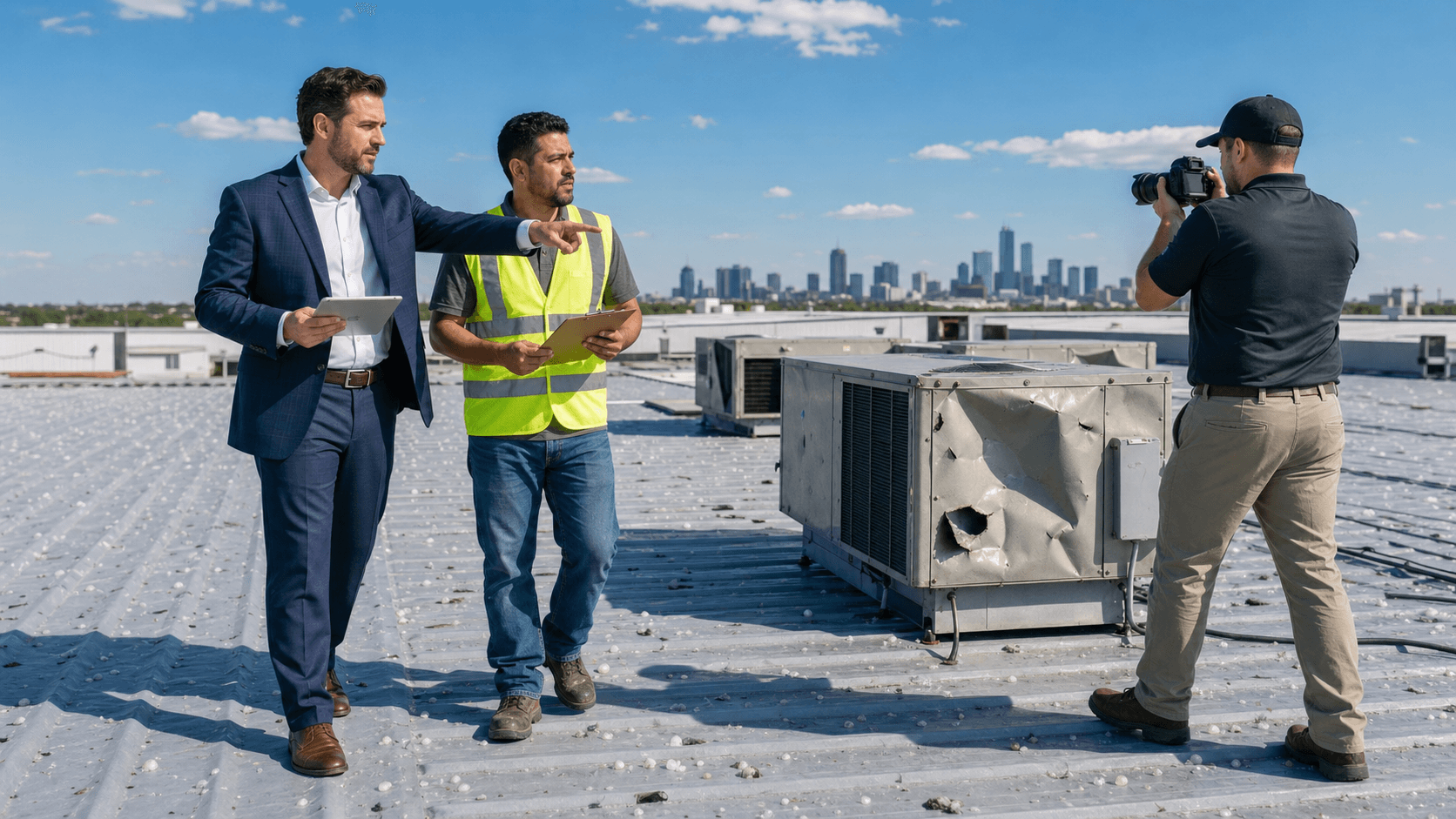
Another common stopping point is the cosmetic versus functional fight. For metal roofs, carriers often admit the panels are dented but claim "no functional damage." For membranes, they may say scuffs and bruises are "aesthetic only." Then they layer in wear and tear language and broad exclusions for "marring" or "denting."
Many commercial policies now include cosmetic damage endorsements or similar language. The problem is how broadly those clauses get stretched. If a dent affects coatings, fasteners, seams, or drainage, or shortens the expected service life, treating it as "purely cosmetic" ignores how commercial roofs actually work over time.
Matching and partial repairs create a second battle:
- Patching a few areas on a large system
- Mixing old and new materials that do not match
- Ignoring manufacturer instructions about system replacement
- Overlooking code or warranty issues tied to broader repair
For an owner, a patchwork roof is not just an eyesore. It can be a real risk to the asset and income stream, especially if the fix is not consistent with how the roof was originally designed to perform.
Ways to push back include:
- Pointing to manufacturer literature on when replacement, not patching, is required
- Citing local building code requirements for repair and replacement
- Using independent experts to explain why "cosmetic" changes affect function or service life
The policy is supposed to put you back in a comparable position, not leave you with a compromised system that is more likely to leak or fail.
Breaking the Logjam with Documentation, Timing, and Demands
When a claim stalls, owners often feel they have two bad choices: accept an underpaid scope or keep waiting. There is a better approach, built on three pieces: documentation, timing, and targeted demands.
On documentation, a disciplined file should include:
- A timeline of every notice, inspection, and report
- All emails and letters with the carrier and its vendors
- Your experts' reports, repair bids, and roof condition records
- Photo sets that tie specific hail impacts to specific components and costs
On timing, it is important to understand what the carrier is actually disputing. If the insurer is still characterizing the matter as "under investigation," locking into a narrow view of the claim too early can be costly. In other situations, using the appropriate contractual and statutory tools at the right point in the process can remove excuses for delay. The decision should be made with a clear view of whether the real dispute is causation, scope, exclusions, or the amount of loss.
Texas prompt payment statutes add another layer. These laws set deadlines for carriers to acknowledge, investigate, and pay covered amounts. When an insurer drags its feet without a reasonable basis, it can face interest and attorneys' fees on top of what should have been paid. A strong, written demand that lays out:
- The facts and timeline
- The policy provisions that apply
- The documentation supporting the amount claimed
forces the carrier to take a clear position instead of hiding behind endless "additional investigation."
Turning a Stalled Hail Claim Into a Solvable Business Problem
For commercial owners, a stuck hail claim is never just about insurance. It affects capital planning, refinancing, tenant expectations, and long-term asset value. In significant losses, it can also affect operations and business income.
At some point, the real question becomes: how do we turn this stalled file into a business decision we can control?
That is where targeted legal analysis can help. A Texas property insurance firm that represents policyholders only in first-party property disputes can examine the engineering reports, the maintenance narrative, the exclusions, and the delay. The objective is to identify where the carrier has overreached, measure the practical risk to the property and income stream, and map out a strategy that fits the asset, the portfolio, and the client's tolerance for litigation or negotiated resolution. For sophisticated policyholders, that is often what converts a long-running hail dispute into a defined plan with clear next steps.
Protect Your Commercial Property Claim With Experienced Legal Help
If your property has suffered storm damage and your insurer is delaying, underpaying, or denying your commercial hail damage insurance claim, we are ready to step in. At Lundquist Law Firm, we carefully review your policy, document your losses, and challenge unfair claim decisions to help you pursue the full benefits you are owed. Reach out today through our contact page so we can evaluate your situation and explain your options.