Wind Damage Is Not the Same as Wear
A Texas windstorm claim can turn on a single disputed question: did the storm cause new damage, or did the insurer find ordinary wear, age, or maintenance issues? Insurers may agree that severe weather occurred and still deny coverage for roof, façade, window, or interior damage by calling the condition deterioration or preexisting damage.
That distinction has serious consequences for commercial property owners. A narrow damage finding can affect repair funds, tenant occupancy, lost rents, business interruption, code-related work, and the timing of mitigation. At Lundquist Law Firm, we represent policyholders only, and we know a causation dispute requires more than a quick roof inspection or a broad statement that a building is "old."
Why Insurers Focus on Windstorm Causation
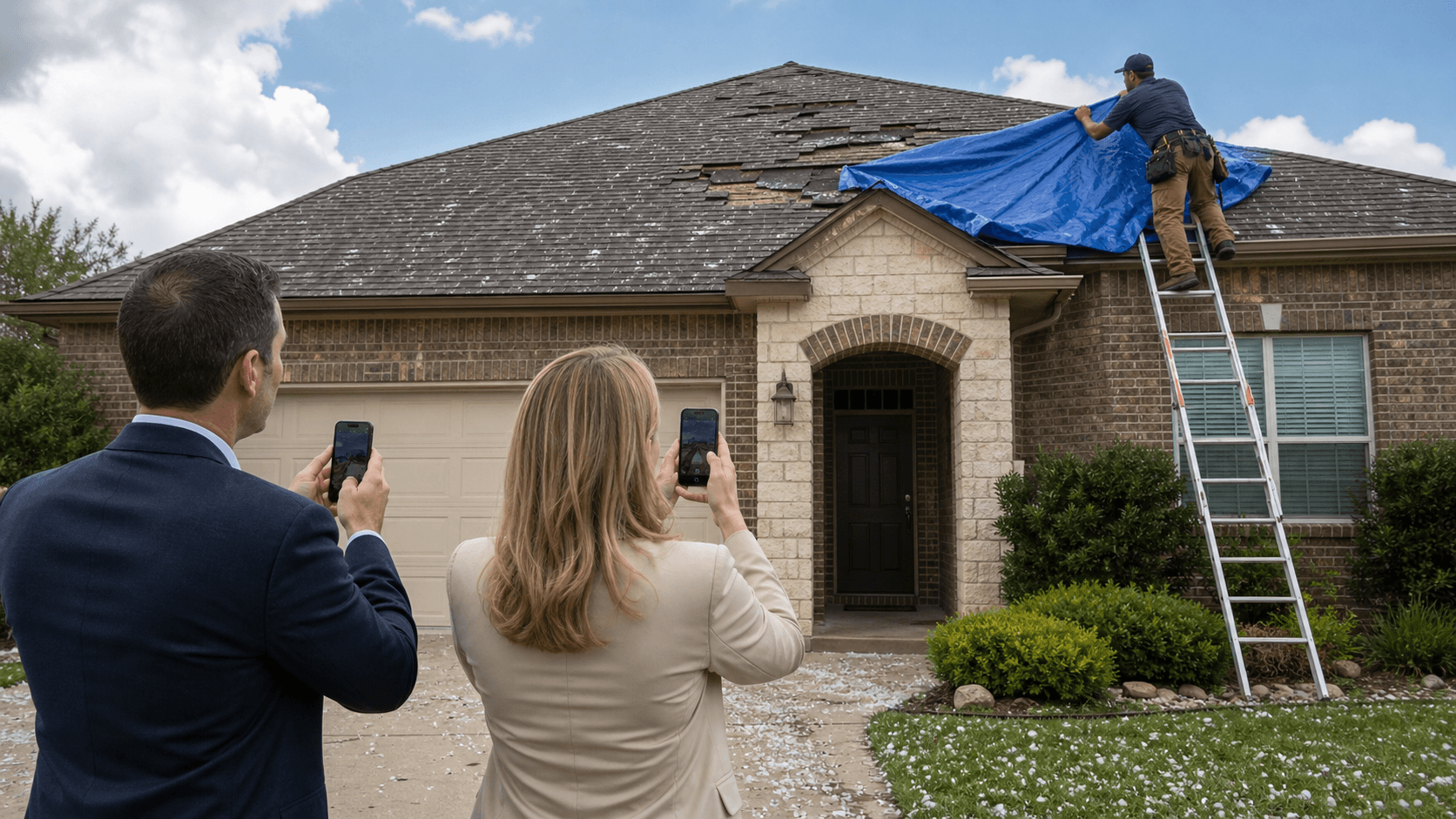
Wind damage is not always obvious from the ground. A lifted membrane seam, displaced flashing, fractured seal, loosened fastener, or wind-created opening may be limited to certain areas while still allowing moisture into the building. That makes it easier for an insurer to argue that the observed condition is not tied to the reported storm.
In commercial claims, we often see insurers take positions such as:
- Lifted or displaced roofing materials are the result of age
- Damaged flashing, seals, or joints reflect deferred maintenance
- Only a small number of visible impacts are covered
- Interior damage is unrelated to the roof or building-envelope condition
- The damage existed before the reported weather event
Those conclusions should be supported by facts, not simply repeated in an adjuster's estimate or consultant report. A building can have an aging roof and still sustain distinct, covered windstorm damage. Existing wear does not answer whether wind forces caused a new opening, displaced materials, worsened a condition, or led to resulting interior loss.
Late fall is a sensible time to preserve evidence from earlier storms. Additional weather events, temporary repairs, regular building use, and ongoing exposure to sun and humidity can change the condition of a property over time. A storm damage insurance claim lawyer in Texas can review the carrier's stated basis for denial before its causation position becomes fixed in the claim file.
Evidence That Helps Separate Storm Damage From Wear
The strongest claim presentation connects the physical condition of the property to a specific weather event. It also explains why the damage does not fit ordinary aging alone. General references to "wear and tear" carry less weight when the available records show a meaningful before-and-after change.
Useful evidence may include:
- Dated photographs and drone images, when appropriate
- Pre-loss inspection reports, maintenance records, and repair invoices
- Weather information and observations from people at the property
- Roofing, engineering, or building-envelope assessments
- Records of interior staining, water entry, damaged equipment, or tenant reports
Pre-loss documentation can be especially important for landlords, developers, and building owners. A prior inspection may show that a roof area was intact, that no interior leaks were reported, or that maintenance work had already addressed a known condition. Post-loss evidence can then identify newly displaced materials, punctures, fractures, water entry points, and other damage consistent with wind-driven forces.
Policyholders should not assume the insurer's first inspection was complete or neutral. A carrier-retained consultant may inspect after temporary work has changed the site, focus on limited areas, or use terminology that blurs the line between long-term condition and storm-created damage. We recommend preserving damaged materials when possible, documenting mitigation measures, and keeping a clear record of every inspection, report, estimate, and communication with the insurer.
Policy Terms Matter Along with Physical Evidence
Physical evidence is only part of the coverage analysis. Commercial property policies vary widely, and the covered-peril language, exclusions, deductibles, endorsements, vacancy provisions, maintenance provisions, and causation clauses can all affect the outcome.
Insurers may point to exclusions involving wear, deterioration, corrosion, faulty maintenance, or repeated leakage. Yet an excluded condition does not automatically end the inquiry. The real question is whether a covered windstorm caused separate direct physical loss, worsened an existing condition, or created a pathway for resulting damage. The policy language and the facts must be assessed together.
For commercial insureds, an improperly narrow damage scope can also limit time-element coverage. If windstorm damage affects operations, tenant occupancy, production, access to the premises, inventory protection, or rental income, the insurer's causation analysis may affect more than the cost of physical repairs. We evaluate whether the carrier has used a wear-based position to restrict both property damage and related lost-income claims.
Responding to a Wear-Based Denial or Low Scope
After receiving a reservation of rights letter, partial denial, estimate, or coverage decision, start by identifying exactly what the insurer accepted and what it excluded. A statement that damage is "old," "cosmetic," or "maintenance-related" should be tested against the inspection record, photographs, weather evidence, policy terms, and any professional opinions already available.
An organized response helps protect the claim. Keep records of mitigation work, repair proposals, tenant impacts, lost income, and all communications with the carrier. Be cautious about signing releases, accepting a payment as full resolution, disposing of damaged materials, or completing permanent repairs before understanding how those decisions may affect disputed portions of the claim.
Claim handling also matters. Delayed inspections, changing causation explanations, unexplained estimate reductions, inadequate investigation, or disregard for supporting evidence may raise issues beyond the initial disagreement over damage. As a storm damage insurance claim lawyer in Texas, we assess denied, delayed, and underpaid claims from the policyholder's side, with attention to the property, policy, loss value, and insurer conduct.
Protect the Claim While Evidence Is Available
The presence of age or maintenance history does not decide a windstorm claim. The central issue is whether a covered event caused compensable damage under the policy. Prompt documentation can preserve the facts needed to answer that question when the insurer attributes a loss to wear.
Before repairs, continued exposure, and time change the evidence, maintain a clear record of the property's condition, mitigation steps, and insurer communications. A disciplined review of the damage, policy terms, and financial effects of the loss can help ensure that a broad "wear and tear" label does not replace a proper causation analysis.
Protect The Full Value Of Your Claim
Lundquist Law Firm represents policyholders facing disputed windstorm losses, including commercial property owners confronting improper causation findings, limited scopes, and underpayment. Speak with a storm damage insurance claim lawyer in Texas about the policy language, damage evidence, and financial consequences at issue. To discuss your claim with our team, contact us for a focused legal assessment.